Motors are usually used in various environmental conditions, including high temperature and high humidity, humidity, corrosion and other conditions. Therefore, the durability and stability of the motor are very important, which is the key to ensure the performance and reliability of the motor. The damp heat resistance test is a method to test the durability and stability of the motor, which can simulate the use of the motor in a high temperature, high humidity or humid environment.
In the damp heat resistance test, the motor is usually placed in a high-temperature and high-humidity environment, and after a certain period of time, the electrical performance, mechanical performance and durability of the motor are tested. Test results can help manufacturers determine the performance and reliability of motors in harsh environments, as well as determine the required electrical insulation, materials and manufacturing processes.
Through the damp heat test, motor manufacturers can evaluate the quality and reliability of the motor, optimize the design and manufacturing process of the motor, and improve the performance and service life of the motor. In addition, the humidity and heat resistance test can also help manufacturers determine the use conditions and scope of application of the motor, and provide customers with more reliable, high-quality and high-performance motor products.
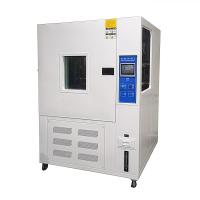
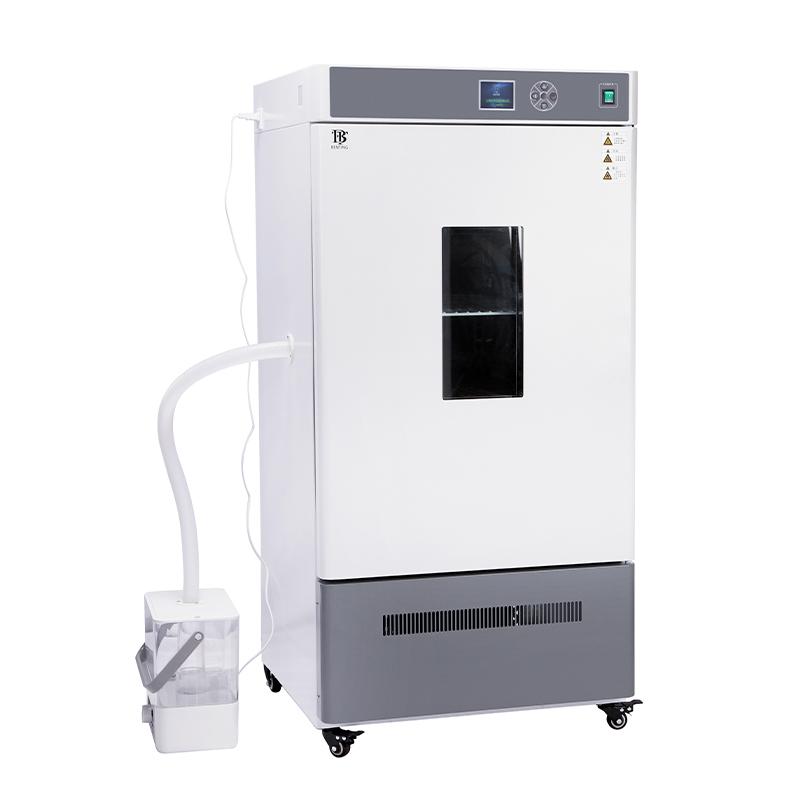
The constant temperature and humidity Test Chamber is one of the very common applications in the heat and humidity resistance test of the motor, and it is usually used to test the durability of the insulation and sealing materials of the motor in a heat and humidity environment.
experiment method
The following is the test method of the damp heat Test Chamber in the motor damp heat resistance test:
According to the requirements of the motor insulation material, select the appropriate humidity and temperature conditions.
Place the sample to be tested in the Test Chamber and set the required humidity and temperature conditions.
Carry out the test according to the set test time.
After the test, take out the sample and carry out corresponding inspection, such as visual inspection, insulation resistance test, etc.
NBCHAO reminds you: when conducting the motor heat and humidity resistance test, the appropriate test conditions and test time should be selected according to the characteristics and requirements of different motor insulation materials. At the same time, the humidity and temperature in the Test Chamber should be strictly controlled to ensure the accuracy and reliability of the test results.