Bearing is a kind of mechanical parts, widely used in various mechanical equipment, such as automobile, aviation, electric power, electronics, metallurgy and other fields. Bearings are mainly used to support and position rotating parts, so that they have the characteristics of stability, smoothness and low noise when rotating at high speed.
Damp heat resistance test is a method to test the durability and stability of bearings. Bearings may experience high temperature and high humidity during use, which may cause the lubricant on the bearing surface to age, solidify or lose, thereby reducing the performance and life of the bearing. The damp heat resistance test can simulate this high-temperature and high-humidity environment, and evaluate the durability and stability of bearings under humid and high-temperature conditions by testing their running performance, lubrication performance and fatigue resistance under humid and high-temperature conditions. This helps manufacturers understand bearing performance and service life, thereby ensuring the quality and reliability of their products.
Through the heat and humidity resistance test, bearing manufacturers can determine whether the quality and performance of their products meet the relevant standards and requirements, and provide customers with high-quality, high-performance and high-reliability bearing products. In addition, the damp heat test can also help bearing manufacturers determine the selection of materials and lubricants, optimize bearing design, and improve bearing performance and service life.
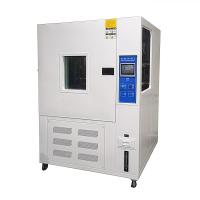
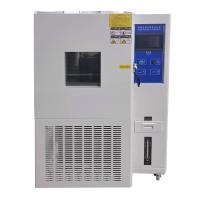
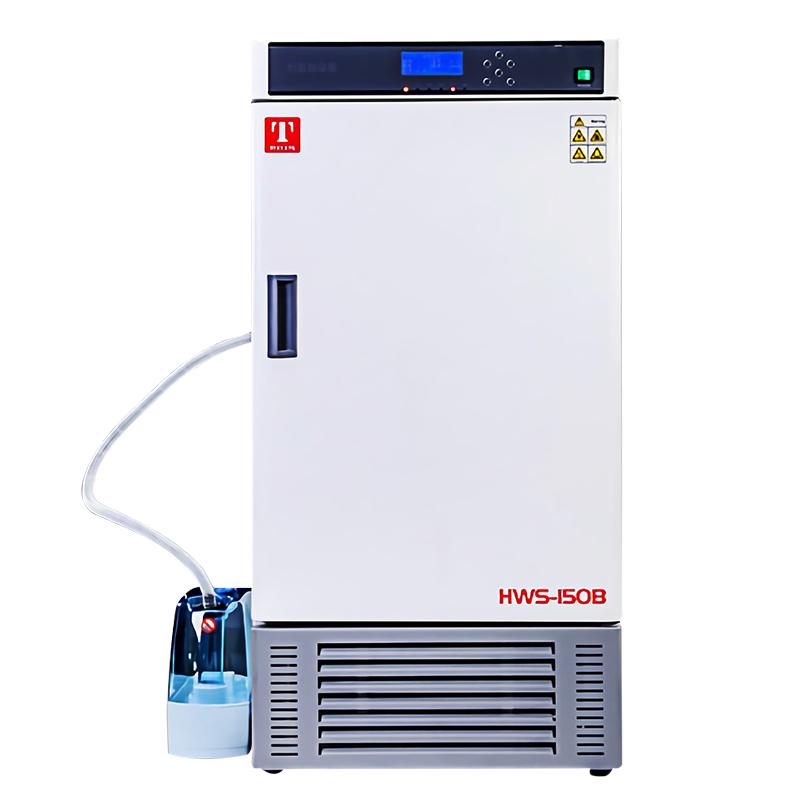
The constant temperature and humidity Test Chamber can be used for the heat and humidity resistance test of bearings. This test is designed to test the reliability & stability of bearings in a high temperature and high humidity environment to simulate the use under actual working conditions.
experiment method
The following are the general steps of the test method:
Prepare the sample: Prepare the bearing sample to be tested and pre-treat the sample according to the standard requirements.
Set test conditions: According to the requirements of test standards, set test conditions such as temperature, humidity and ventilation speed of the Test Chamber.
Place the specimens: Place the bearing specimens in the Test Chamber and make sure they do not interfere with each other.
Start the test: Start the Test Chamber and start the test. During the test, parameters such as temperature, humidity, ventilation speed and test time in the box should be recorded, and checked and measured according to the standard requirements.
End of test: After the test, the bearing samples were removed and evaluated. Evaluate the condition of the bearings, such as whether the bearings are rusted, damaged, or other abnormalities.
Through these steps, the damp heat reliability & stability of bearings can be evaluated to determine whether they are suitable for use in high humidity and high temperature environments.