Plastic powder may be exposed to humid environment or high temperature environment during use, which may lead to deterioration, aging, cracking, embrittlement and other problems of plastic powder, affecting its service life and performance. In order to ensure the stability and durability of the plastic powder in a humid and high temperature environment, a damp heat resistance test is required.
Damp heat resistance test is a test method to evaluate the durability of materials under high temperature and high humidity conditions. This test method can simulate the use of plastic powder in humid and high-temperature environments, and evaluate its stability and durability under humid and high-temperature conditions by testing the physical and chemical properties of the material. This helps manufacturers understand the performance and lifespan of materials to ensure the quality and reliability of their products.
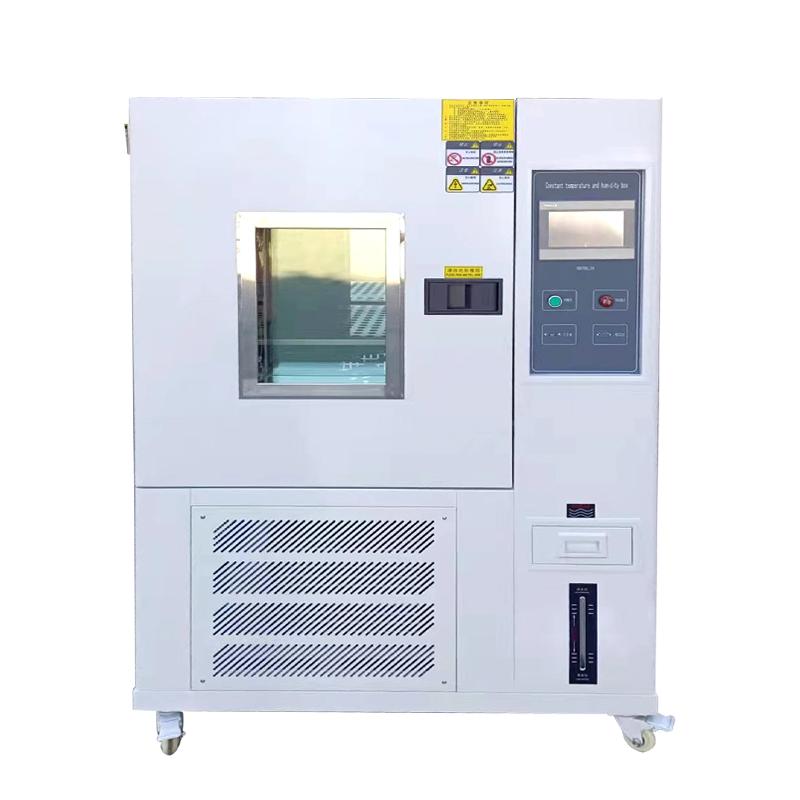
Plastic powder is a fine powder obtained by crushing, screening and other processing techniques from the waste generated by the processing of plastic products. It is often used in the fields of recycled plastics, coatings, rubber, and plastic products. In order to ensure the quality and stability of plastic powder products, it is necessary to conduct a heat and humidity resistance test. At this time, the constant temperature and humidity Test Chamber is a good test equipment.
experiment method
The test method of the constant temperature and humidity Test Chamber in the heat and humidity resistance test of plastic powder:
Sample preparation: put about 10g of plastic powder sample into the sample box, and the sample box should be sealed well.
Set the test conditions: set the temperature of the Test Chamber to 60°C and the humidity to 90%RH.
Put the sample box into the test box and carry out the constant temperature and humidity test. The test time is generally 48 hours.
Take out the sample box, wait for it to cool to room temperature, measure the color, appearance, viscosity and other performance indicators of the sample, and conduct a comparative analysis with the untested sample to judge the moisture and heat resistance of the plastic powder.
NBCHAO reminds you: When performing constant temperature and humidity tests, try to avoid contact between the sample box and the inner wall of the test box to reduce the moisture in the air absorbed by the sample. In addition, care should be taken to keep the humidity and temperature in the Test Chamber constant during the test to ensure the accuracy of the test results.