The battery pack is an integrated component composed of a battery cell, a battery management system (BMS), and a protective case. It is an important part of electric vehicles such as modern electric vehicles and hybrid vehicles. The battery pack needs to withstand the test of different climate environments and temperature changes in actual use, so a damp heat resistance test is required to test the tolerance and stability of the battery pack in a high-temperature and high-humidity environment, and evaluate its performance in harsh environments. reliability and security. In addition, the service life and performance of battery packs in different environments also need to be evaluated through heat and humidity resistance tests.
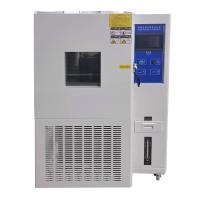
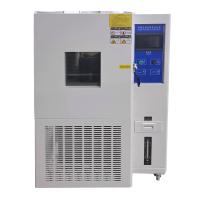
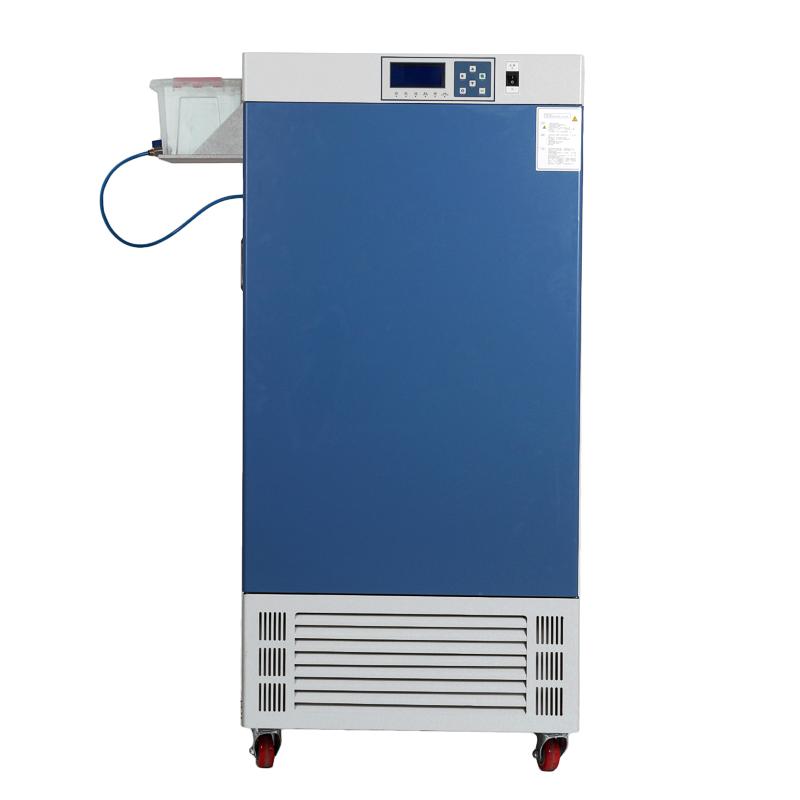
The constant temperature and humidity Test Chamber is also widely used in the heat and humidity resistance test of the battery pack. This test is to evaluate the humidity and heat stability of the battery pack by putting the battery pack sample in a damp heat Test Chamber, controlling the ambient temperature and humidity, and testing the performance of the battery pack under high temperature and high humidity conditions.
experiment method
The general test method is as follows:
Prepare samples: collect the battery pack samples to be tested to ensure that the samples meet the standard requirements.
Adjust the damp heat Test Chamber: set the temperature and humidity of the Test Chamber, usually the test temperature is 60°C and the humidity is 95%RH.
Place the battery packs: Place the battery packs in the damp heat Test Chamber and let them operate under the set environmental conditions.
Observe the performance of the battery pack: During the test, it is necessary to regularly check the voltage, current, capacity and other parameters of the battery pack to understand the performance of the battery pack.
Record data: record each detected data and results for data analysis and comparison.
End of test: After the test is completed, the battery packs need to be tested and analyzed to determine their wet heat stability.
With this method, the wet-heat stability of the battery pack can be quickly and accurately assessed, and compliance with relevant standards and requirements can be determined.