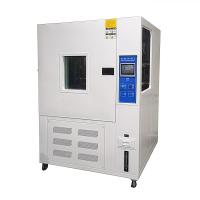
Silicon wafers are one of the key materials in the electronics industry and are widely used in integrated circuits, solar panels, LED chips and other fields. In actual use, silicon wafers often need to be operated in environments with different temperatures and humidity, such as being used in high temperature and high humidity climates, or exposed to moisture and corrosive gases during processing and production.
In order to ensure that silicon wafers work stably and reliably under various environmental conditions, a damp heat resistance test is required. This kind of test can simulate the actual use conditions under high temperature and high humidity environment, and evaluate its resistance degree by detecting the performance change of silicon wafer under such conditions. In general, the humidity and heat resistance test of silicon wafers includes tests such as constant temperature and humidity, high temperature and high humidity cycle, temperature change and humidity change, etc., to detect the temperature and humidity tolerance of silicon wafers, and the performance of silicon wafers under such conditions. Electrical properties, mechanical strength, corrosion and other aspects of performance.
The quality and performance of the silicon wafer can be evaluated through the damp heat resistance test, thereby improving the reliability and stability of the silicon wafer. At the same time, it can also provide a basis and reference for the production and processing of silicon wafers, ensuring that silicon wafers can achieve the expected performance indicators under various environmental conditions.
experiment method
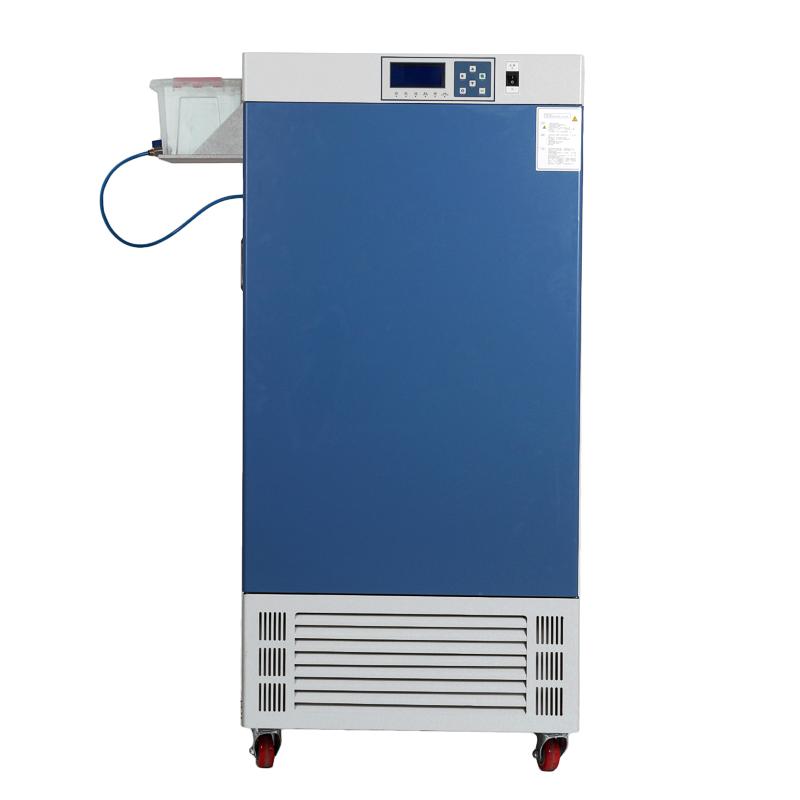
The constant temperature and humidity Test Chamber can be used to test the moisture and heat resistance of silicon wafers. The following is the test method:
Sample preparation: Prepare a certain number of silicon wafer samples. Before placing them in the Test Chamber for testing, let the samples naturally balance at room temperature for a period of time to ensure that there is no obvious water vapor or water droplets on the surface of the samples.
Set the test conditions: set the temperature and humidity conditions of the test box according to the needs, which can be set on the control panel of the damp heat test box.
Conduct the test: place the sample in the Test Chamber, turn on the Test Chamber and wait for a period of time, usually a longer test is required to simulate different environmental conditions.
Test results: After the test is completed, take out the sample and check its performance change. Various measuring instruments and methods can be used to test the electrical properties of the sample, such as resistivity, conductivity, capacitance value, inductance, etc.
NBCHAO reminds you: when conducting the heat and humidity resistance test of silicon wafers, appropriate temperature and humidity conditions and test time should be selected according to the characteristics of silicon wafers to ensure the reliability and accuracy of test results.