As a commonly used secondary battery, nickel metal hydride batteries are widely used in consumer electronics, power tools, electric vehicles and other fields. During actual use, NiMH batteries will be affected by environmental factors such as humidity and temperature to varying degrees, which may have a negative impact on the performance and life of the battery.
In order to ensure that Ni-MH batteries can operate safely and reliably under various environmental conditions, a damp heat resistance test is required. This test can simulate the actual use conditions in a high temperature and high humidity environment, and evaluate the tolerance of the battery by detecting the performance change of the battery under such conditions. In general, the heat and humidity resistance test of Ni-MH batteries includes tests such as thermal shock, heat and humidity cycle, constant temperature and humidity, etc., to detect the temperature and humidity tolerance of the battery, as well as the discharge performance, cycle life, and performance in terms of safety.
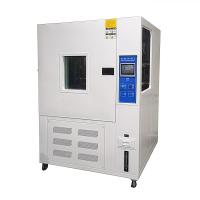
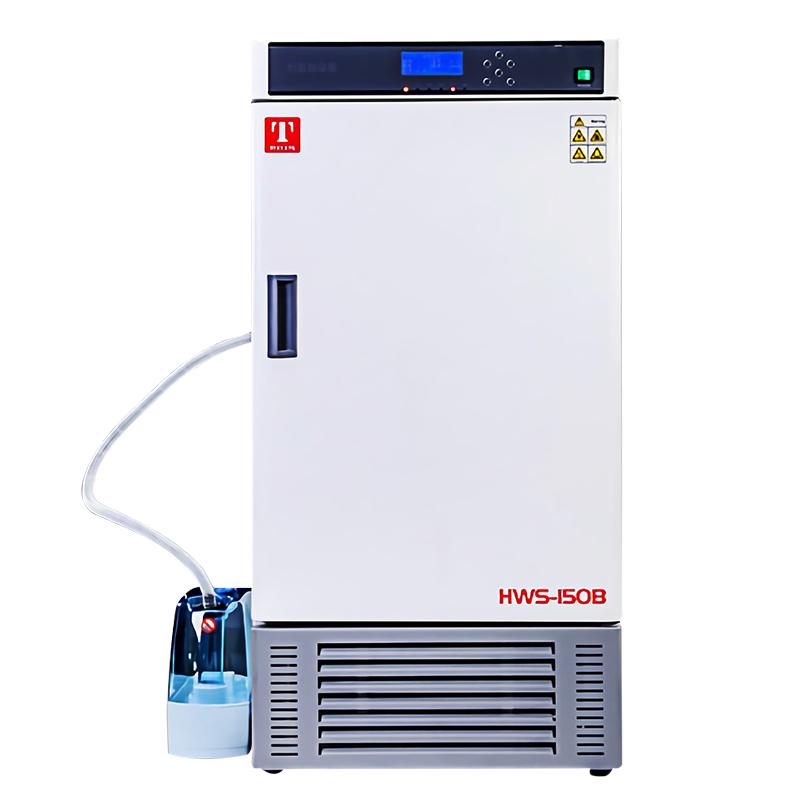
The constant temperature and humidity Test Chamber can be used for the humidity and heat resistance test of Ni-MH batteries to evaluate the performance and stability of the batteries under high temperature and high humidity conditions.
experiment method
The test method generally includes the following steps:
Prepare samples: prepare Ni-MH battery samples according to standards or requirements, and mark the surface of the samples for easy identification.
Set test conditions: set the test conditions such as temperature, humidity and time according to standards or requirements.
Put the sample into the Test Chamber: put the sample into the damp heat Test Chamber, and be careful not to squeeze the sample out of shape.
Conduct the test: Under the set temperature and humidity conditions, carry out the test for a specified time, during which the changes on the surface of the sample can be regularly observed and recorded.
After the test, take out the sample for testing and evaluation: Take out the sample for corresponding testing and evaluation, such as measuring the electrical performance, appearance change, quality loss and other indicators of the battery.
Precautions
Before conducting the test, it is necessary to ensure that the temperature and humidity in the Test Chamber have been stabilized and kept constant.
Before putting the sample into the Test Chamber, the surface should be kept dry and clean so as not to affect the test results.
According to standards or requirements, select appropriate test conditions to ensure the accuracy and comparability of test results.
During the test, the changes of the sample should be observed and recorded regularly, so as to grasp the test situation in time.
After the test, the samples should be taken out for testing and evaluation in time, and the test results should be analyzed in order to formulate corresponding improvement measures.