Vehicle batteries are mainly used for power supply and auxiliary power supply of vehicles such as automobiles and electric vehicles, so they need to operate normally in complex environments. During the use of automobiles and electric vehicles, they will be affected by environmental factors such as humidity and temperature. Therefore, it is necessary to test the humidity and heat resistance of on-board batteries.
Humidity and heat resistance test is to simulate the conditions of use under high temperature and high humidity environment. By testing and evaluating the tolerance of the vehicle battery under such conditions, we can know whether the quality and performance of the battery meet the requirements, thereby improving its reliability and stability. . In addition, the humidity and heat resistance performance test is also one of the necessary links in the quality certification of vehicle battery products. Only vehicle battery products that meet the relevant certification requirements can be marketed.
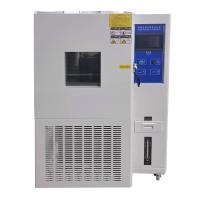
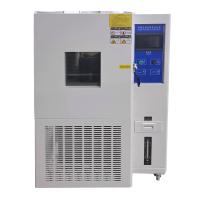
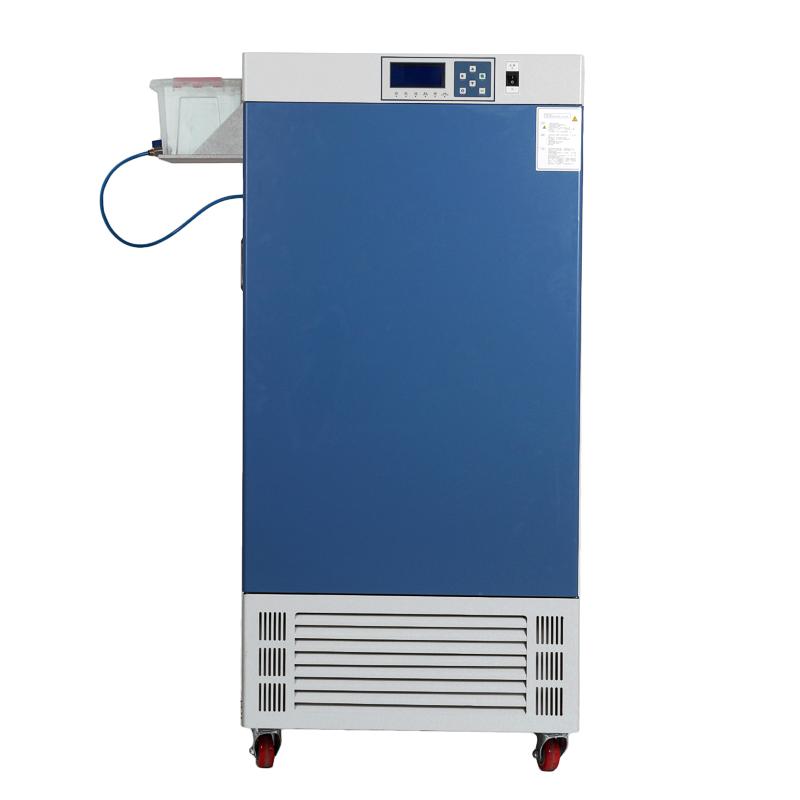
The constant temperature and humidity Test Chamber can be used for the heat and humidity resistance test of the vehicle battery. The test aims to test the reliability & stability of the vehicle battery in a high temperature and high humidity environment to simulate the environment in actual use.
experiment method
The following are the general steps of the test method:
Prepare the sample: prepare the vehicle battery sample to be tested, and pretreat the sample according to the standard requirements.
Set test conditions: According to the requirements of test standards, set test conditions such as temperature, humidity and ventilation speed of the Test Chamber.
Place the samples: Place the vehicle battery samples in the Test Chamber and make sure they do not interfere with each other.
Start the test: Start the Test Chamber and start the test. During the test, parameters such as temperature, humidity, ventilation speed and test time in the box should be recorded, and checked and measured according to the standard requirements.
End of test: After the end of the test, the battery samples were taken out and evaluated. Assess the status of the battery, such as failure, excessive temperature, excessive humidity, etc.
Through these steps, the wet heat reliability & stability of the vehicle battery can be evaluated to determine whether it is suitable for use in a high humidity and high temperature environment. In actual production, such tests can improve the reliability and safety of on-board batteries, reduce failure rates, and prolong service life.