Components such as electronic components and circuit boards used in electronic appliances usually need to work in various harsh environments, such as high temperature, high humidity, and high pressure. These environments may cause oxidation, corrosion, and deterioration of electronic components, thereby affecting the performance and reliability of electronic appliances. Therefore, in order to ensure the quality and reliability of electronic appliances, damp heat resistance tests are required to evaluate their performance under these conditions.
The heat and humidity test usually simulates the actual use of electronic appliances in high temperature, high humidity, high pressure and other environments, and conducts an accelerated aging test for a certain period of time. Through this test, it is possible to evaluate whether electronic components and circuit boards and other components will have problems such as oxidation, corrosion, and deterioration during long-term use, and to evaluate the performance and reliability of electronic appliances.
For example, in mobile devices such as mobile phones, various electronic components and circuit boards need to work stably in various environments, such as high temperature, high humidity, low temperature, and low pressure. If the material and design of these components are not high enough to withstand high temperature, corrosion, etc., it may cause their failure and affect the performance and life of the entire equipment. Through the heat and humidity resistance test, these problems can be found and improved in time to improve the performance and reliability of electronic appliances, reduce failure rates and maintenance costs.
In addition, the damp heat test can also be used to evaluate other types of electronic appliances, such as home appliances, automotive electronics, avionics, etc. In these devices, various electronic components and circuit boards also need to work stably in harsh environments, so damp heat resistance tests are also required to evaluate their performance and reliability.
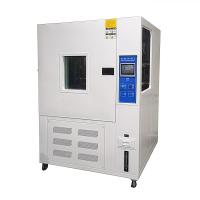
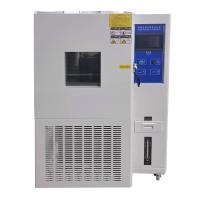
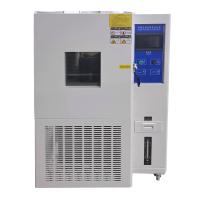
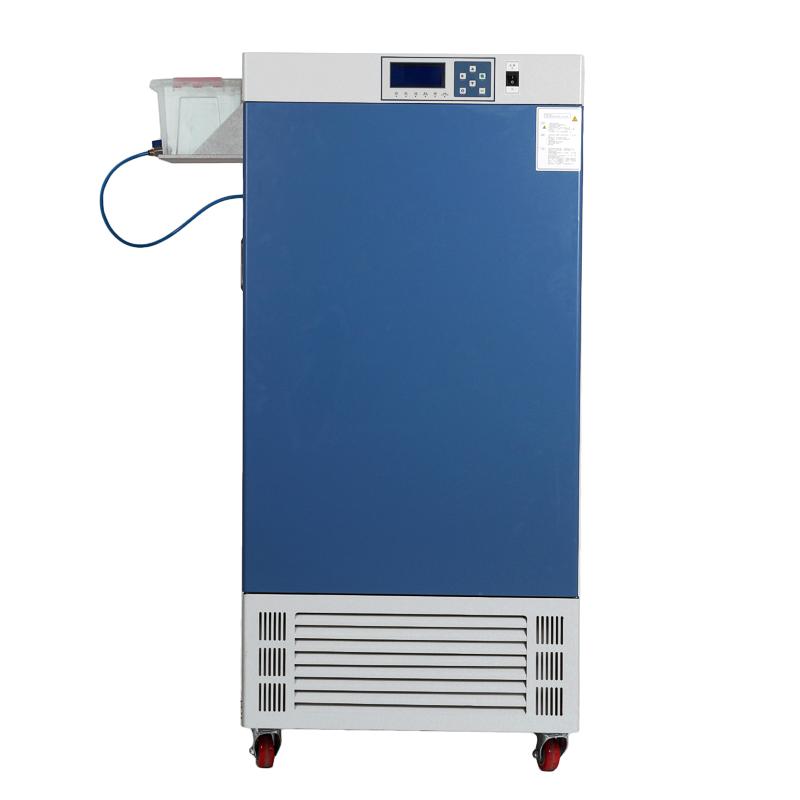
The constant temperature and humidity Test Chamber is a common equipment for testing the adaptability of electronic and electrical products to hot and humid environments. It can simulate the impact of high temperature and high humidity environments on electronic and electrical products, and is used for product performance and reliability testing.
experiment method
The following is the application and test method of the damp heat Test Chamber in the damp heat resistance test of electronic and electrical products:
According to the product specifications or test standards, determine the test conditions, including temperature, humidity, test time and other parameters.
Place the test samples in the Test Chamber, pay attention to the interval between samples and the ventilation in the Test Chamber.
Start the test, record the temperature, humidity and other data during the test, and observe the state changes of the samples regularly.
According to the test standard, evaluate the performance and reliability of the sample under the test conditions, including electrical properties, mechanical properties, chemical properties, etc.
NBCHAO reminds you: Different electronic and electrical products need to follow different test standards and test methods in the heat and humidity resistance test, so as not to cause too much interference to the accuracy and reliability of the test results.