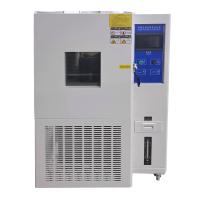
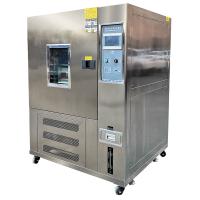
Liquid crystal devices are usually composed of various materials and electronic components, which need to work stably under extreme conditions such as high temperature, high humidity, and high pressure. Therefore, in order to ensure the performance and reliability of liquid crystal devices, a damp heat test is required to evaluate their performance under these conditions.
Specifically, the humidity and heat resistance test of liquid crystal devices usually simulates its actual use in a high-temperature, high-humidity environment, and then conducts an accelerated aging test for a certain period of time. Through this test, it is possible to evaluate whether the liquid crystal device will have problems such as oxidation, corrosion, and deterioration during long-term use, and to evaluate its performance and reliability.
For example, in a liquid crystal display, the liquid crystal panel and the driving circuit board need to work for a long time in harsh environments such as high temperature and high humidity. If the material and design of these components are not sufficiently resistant to high temperature and corrosion, it may lead to their failure, affecting the performance and life of the entire LCD. Through the heat and humidity resistance test, these problems can be found and improved in time to improve the performance and reliability of liquid crystal devices and reduce failure rates and maintenance costs.
In addition, the damp heat test can also be used to evaluate other types of liquid crystal devices, such as liquid crystal projectors, liquid crystal TVs, liquid crystal monitors, etc. In these devices, various electronic components and materials need to work in harsh environments such as high temperature and high humidity, so damp heat resistance tests are also required to evaluate their performance and reliability.
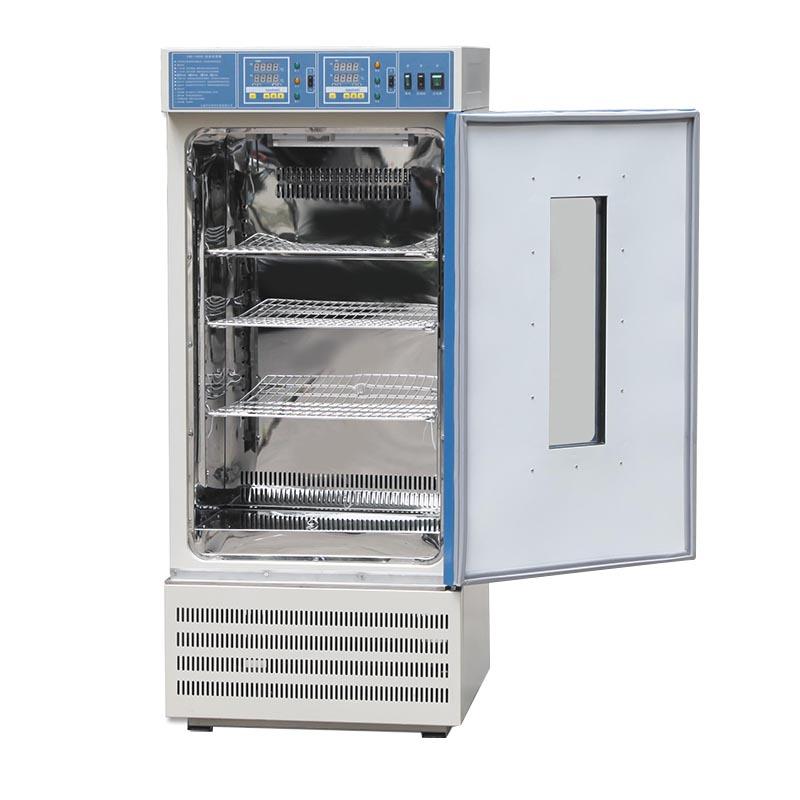
High-low temperature damp heat Test Chamber Put liquid crystal device samples into a damp heat Test Chamber, control the ambient temperature and humidity, and test the performance of liquid crystal devices under high temperature and high humidity conditions to evaluate the damp heat stability of liquid crystal devices.
experiment method
Prepare samples: collect samples of liquid crystal devices to be tested to ensure that the samples meet the standard requirements.
Adjust the damp heat Test Chamber: set the temperature and humidity of the Test Chamber, usually the test temperature is 85°C and the humidity is 85%RH.
Place the liquid crystal devices: place the liquid crystal devices in the damp heat Test Chamber and let them operate under the set environmental conditions.
Observing the performance of the liquid crystal device: During the test, it is necessary to regularly detect the optical properties, electrical properties and other parameters of the liquid crystal device to understand the performance of the liquid crystal device.
Record data: record each detected data and results for data analysis and comparison.
End the test: After the test is completed, the liquid crystal devices need to be tested and analyzed to determine their humidity and heat stability.
Through this method, the wet-heat stability of liquid crystal devices can be quickly and accurately evaluated, and whether it meets relevant standards and requirements can be determined.