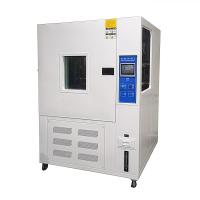
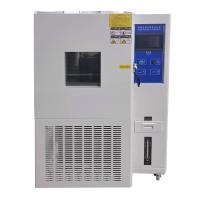
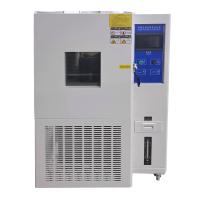
Auto parts usually need to work under extreme climatic conditions, such as high temperature, high humidity, low temperature, etc., so damp heat resistance tests are required to evaluate their performance and reliability under these conditions.
Specifically, the humidity and heat resistance test usually simulates the actual use of auto parts in a high-temperature, high-humidity environment, and then conducts an accelerated aging test for a certain period of time. Through this test, it is possible to evaluate whether the parts will have oxidation, corrosion, deterioration and other problems during long-term use, and to evaluate their performance and reliability.
For example, the components of automobile engines, such as valves and piston rings, are often exposed to harsh environments such as high temperature and high humidity. If the material and design of these components are not sufficiently resistant to high temperature and corrosion, it may lead to their failure and affect the performance and life of the entire engine. Through the heat and humidity resistance test, these problems can be found and improved in time to improve the performance and reliability of auto parts and reduce failure rates and maintenance costs.
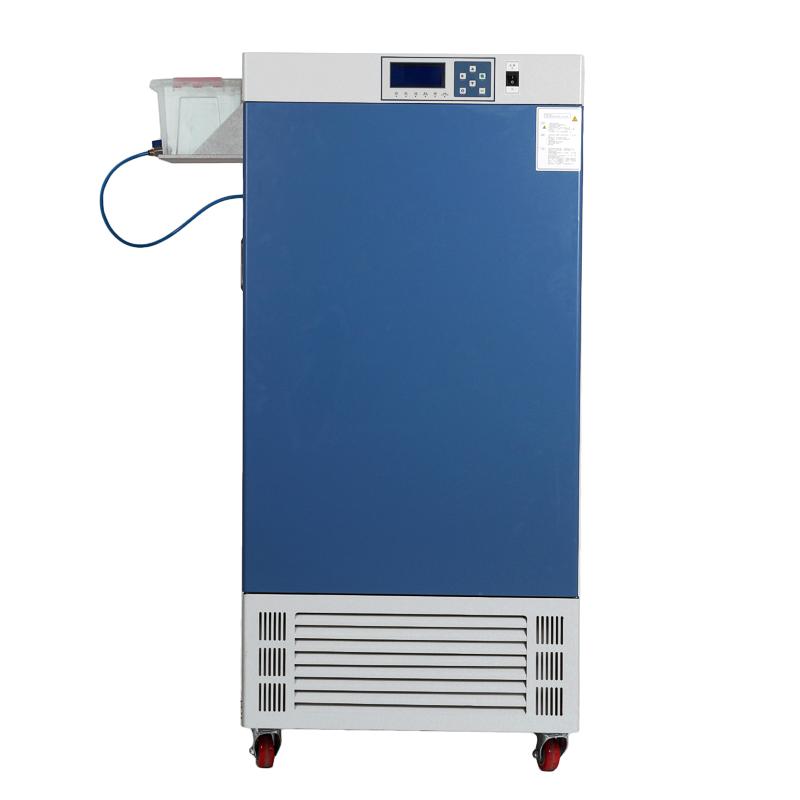
In addition, the damp heat test can also be used to evaluate the performance and reliability of automotive electronic components, such as on-board computers, sensors, etc. Under extreme climatic conditions, these electronic components are easily affected by factors such as humidity and high temperature, which can cause them to fail. Therefore, the damp heat test can evaluate the performance and reliability of these electronic components, thereby ensuring the normal operation of the automotive system.
experiment method
Damp heat test is designed to test the reliability & stability of auto parts in high temperature and high humidity environment, so as to simulate the environment in actual use. The following are the general steps of the test method:
Prepare the sample: prepare the sample of the auto parts to be tested, and pre-treat the sample according to the standard requirements.
Set test conditions: According to the requirements of test standards, set test conditions such as temperature, humidity and ventilation speed of the Test Chamber.
Placing the specimens: Place the auto parts samples in the Test Chamber and make sure they do not interfere with each other.
Start the test: Start the Test Chamber and start the test. During the test, parameters such as temperature, humidity, ventilation speed and test time in the box should be recorded, and checked and measured according to the standard requirements.
End of test: After the test, the component samples are taken out and evaluated. Assess the condition of components such as corrosion, deformation, fractures, etc.
Through these steps, the wet heat reliability & stability of auto parts can be evaluated to determine whether they are suitable for use in high humidity and high temperature environments. In actual production, such tests can improve the quality and performance of auto parts, ensure that they have a longer service life, reduce failure rates, and increase safety.