A solar cell is a device that converts light energy into electricity, and usually needs to be used outdoors for a long time. In actual use, solar cells may be affected by harsh environments such as high temperature and high humidity, so damp heat resistance tests are required to evaluate their performance and reliability in these environments.
Specifically, when solar cells are subjected to heat and humidity resistance tests, they usually need to be placed in a high-temperature, high-humidity environment, and then undergo accelerated aging tests for a certain period of time to simulate long-term use in harsh environments. Through the humidity and heat resistance test, the output power, conversion efficiency, stability and other performance indicators of solar cells in these harsh environments can be tested to evaluate their performance in actual use.
In addition, solar cells are usually an important part of solar photovoltaic power generation systems, and their performance stability and reliability directly affect the power generation efficiency and operational safety of the entire photovoltaic system. Therefore, conducting the heat and humidity resistance test is also helpful to improve the operational stability and reliability of the solar photovoltaic power generation system, reduce maintenance and replacement costs, and improve the economic efficiency and environmental friendliness of the system at the same time.
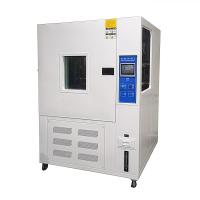
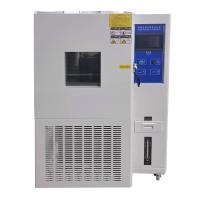
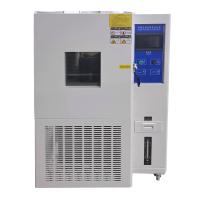
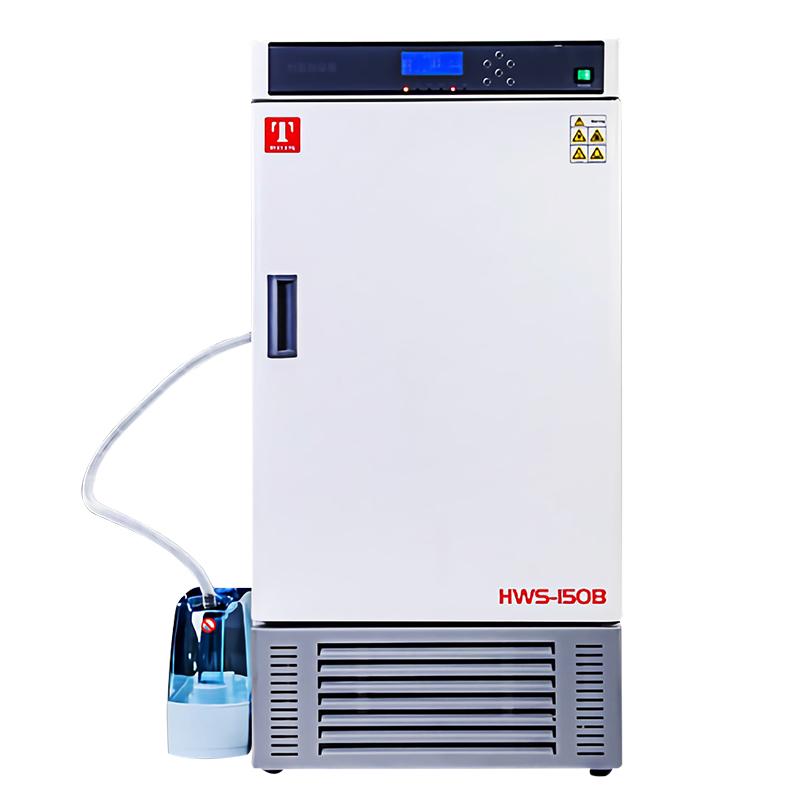
The constant temperature and humidity Test Chamber can be used for the heat and humidity resistance test of solar cells to evaluate the stability and performance of solar cells in high temperature and high humidity environments.
experiment method
The following are the brief steps of the test method:
Prepare the sample: fix the solar cell sample in the test box to ensure that the temperature and humidity inside the sample and the test box are stable.
Set test conditions: Set the temperature and humidity in the test box according to the specifications of the solar cell and the actual use environment. Usually, the test temperature is 85°C and the humidity is 85%RH.
Conduct the test: heat the Test Chamber to the set temperature, keep it for a certain period of time, and observe the changes of the sample, including appearance, electrical properties and other indicators.
Analyzing data: Analyze the heat and humidity resistance performance of solar cells according to the test results, and evaluate the reliability and stability of the samples.
Beichao reminds you: During the solar battery test process, safety should be paid attention to to avoid short circuit, fire and other situations. At the same time, the test box and battery samples should follow the relevant safety operating procedures and requirements.