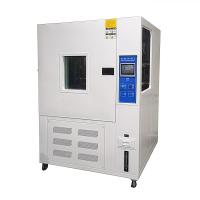
Power plugs are common electrical accessories in household and industrial applications, often exposed to humid and high temperature environments, such as bathrooms, kitchens, factories and other places. In order to ensure the safety and reliability of the power plug in these environments, a damp heat resistance test is required.
The damp heat resistance test can simulate a high temperature and high humidity environment to test the performance and reliability of the power plug under these conditions. Specifically, the damp heat resistance test can test the electrical properties such as insulation performance, withstand voltage performance, and leakage current of the power plug; test the mechanical properties such as durability, corrosion resistance, and mechanical properties of the plug. Through these tests, the durability and reliability of the power plug in humid and high-temperature environments can be evaluated to ensure its safety during use.
In addition, the power plug also needs to meet the relevant safety standards and certification requirements of some countries and regions. For example, EU countries need to comply with EN 60320 standards, and the United States needs to comply with UL certification, etc. These standards and certification requirements also include heat and humidity resistance testing to ensure that the power plug complies with relevant safety standards and certification requirements.
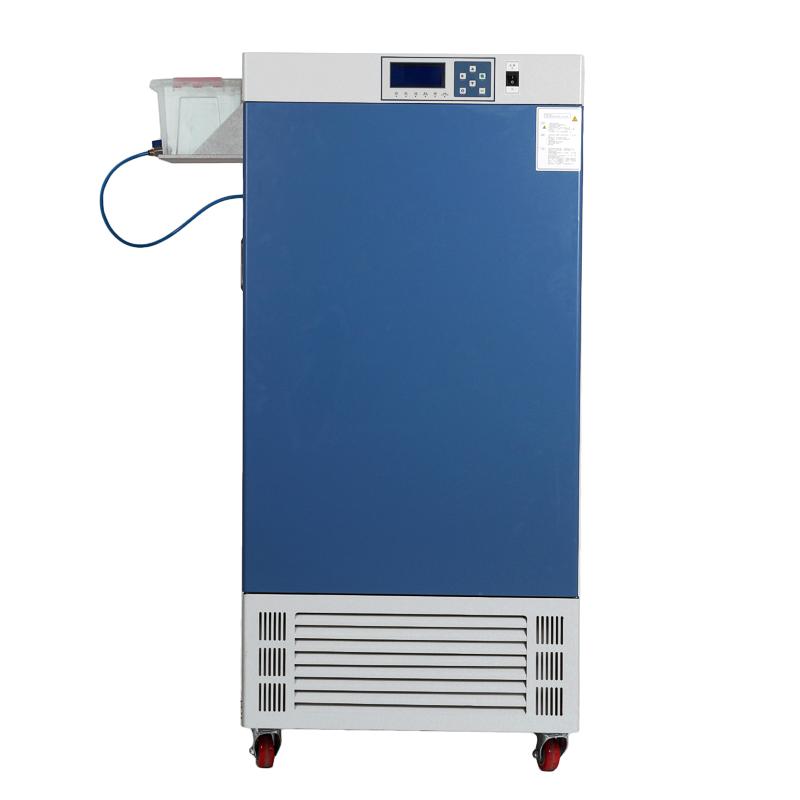
experiment method
The constant temperature and humidity Test Chamber can be used for the heat and humidity resistance test of the power plug. This test is designed to test the reliability & stability of the power plug in a high temperature and high humidity environment to simulate the environment in actual use. The following are the general steps of the test method:
Prepare the sample: prepare the sample of the power plug to be tested, and pretreat the sample according to the standard requirements.
Set test conditions: According to the requirements of test standards, set test conditions such as temperature, humidity and ventilation speed of the Test Chamber.
Place the samples: Place the power plug samples in the Test Chamber and make sure they do not interfere with each other.
Start the test: Start the Test Chamber and start the test. During the test, parameters such as temperature, humidity, ventilation speed and test time in the box should be recorded, and checked and measured according to the standard requirements.
End of test: After the test, the plug samples are removed and evaluated. Evaluate the condition of the plug, such as oxidation, corrosion, etc.
Through these steps, the damp heat reliability & stability of the power plug can be evaluated to determine whether it is suitable for use in an environment with high humidity and high temperature. In actual production, such tests can improve the quality and performance of the power plug, ensure its long service life, reduce the failure rate, and increase safety.