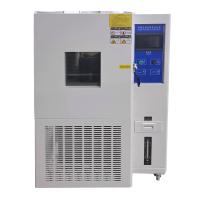
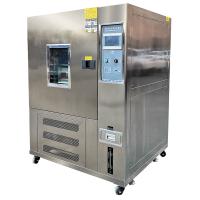
Lithium-ion batteries are a common battery type used in a wide range of applications such as mobile devices, power tools, electric vehicles, and more. Lithium-ion batteries have the advantages of high energy density, long life, and light weight, but there are also some problems, such as safety, stability, and reliability, which need to be tested and evaluated. Therefore, lithium-ion batteries need to be tested for heat and humidity resistance.
The humidity and heat resistance test can simulate the use of lithium-ion batteries in high-temperature and high-humidity environments, and test their heat resistance, humidity resistance, and aging resistance to evaluate their performance and reliability. Through these tests, it is possible to determine the service life and durability of lithium-ion batteries in extreme environments, improve their quality and performance, and ensure the safety and reliability of batteries. In addition, lithium-ion batteries are prone to safety problems such as spontaneous combustion and explosion in high-temperature and high-humidity environments. Therefore, the heat and humidity resistance test is also a necessary means to evaluate the safety of lithium-ion batteries. It can discover and eliminate potential safety hazards and improve the safety of lithium-ion batteries. safety.
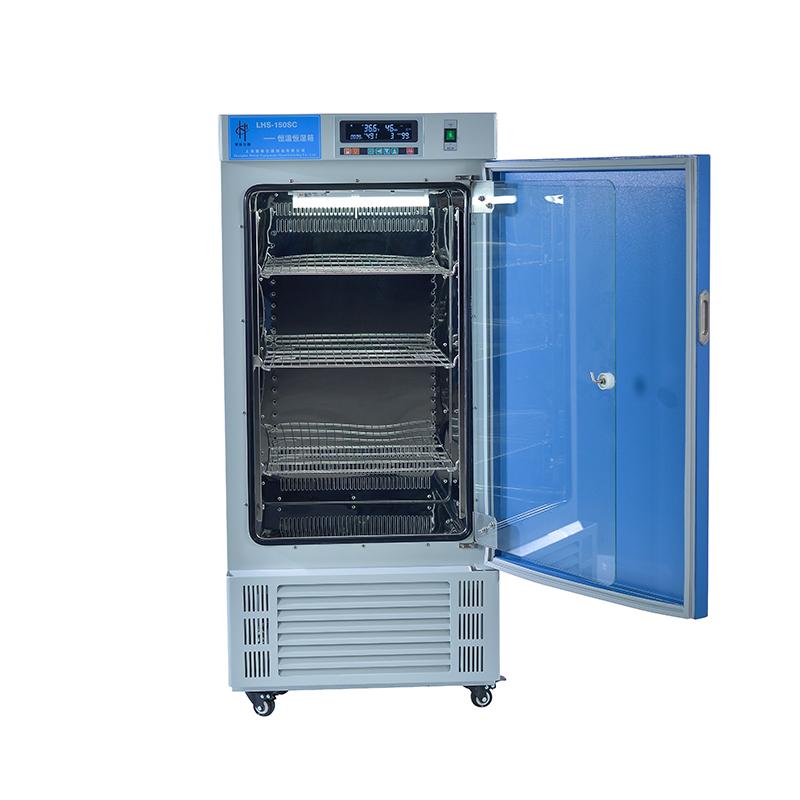
The high-low temperature humidity and heat Test Chamber can simulate different ambient temperature and humidity conditions, test the durability of lithium-ion batteries under different environmental conditions, and judge the reliability and stability of the battery.
experiment method
Place the lithium-ion battery in the damp heat Test Chamber, and set the corresponding temperature and humidity conditions. Generally, the temperature is required to be between 40°C and 85°C, and the humidity is between 75% and 95%RH.
Under the set conditions, the long-term humidity and heat resistance test of the lithium-ion battery generally requires the test time to range from several hours to tens of hours.
After the test, conduct electrical performance test and visual inspection on the battery to evaluate the reliability and stability of the battery.
NBCHAO reminds you: when testing the heat and humidity resistance of lithium-ion batteries, it is necessary to strictly follow the relevant specifications and standards, so as to ensure the reliability and accuracy of the test results. At the same time, in order to ensure the safety of the test, it is also necessary to strengthen the monitoring and management of the Test Chamber during the test.