Automotive paint is a coating applied to the surface of a car. Its main function is to protect the surface of the car from corrosion, oxidation, ultraviolet radiation, etc., while beautifying the appearance of the car body. Automotive coatings have a certain degree of durability and durability, but in actual use, they may be affected by factors such as high temperature, high humidity, and ultraviolet rays, which will reduce their performance and lifespan. Therefore, automotive coatings need to be tested for heat and humidity resistance.
The heat and humidity resistance test can simulate the use of automotive coatings in high-temperature and high-humidity environments, and test their heat resistance, water resistance, humidity resistance, and aging resistance to evaluate their performance and reliability. Through these tests, we can determine the service life and durability of automotive coatings in extreme environments, improve their quality and performance, and meet customer requirements for automotive coatings. In addition, the heat and humidity resistance test also helps automakers evaluate the anti-corrosion performance of coatings, so as to ensure that the car can still maintain good appearance and performance in harsh environments and prolong its service life.
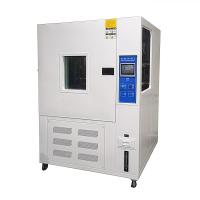
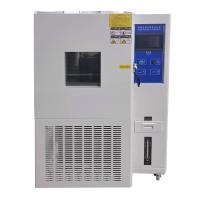
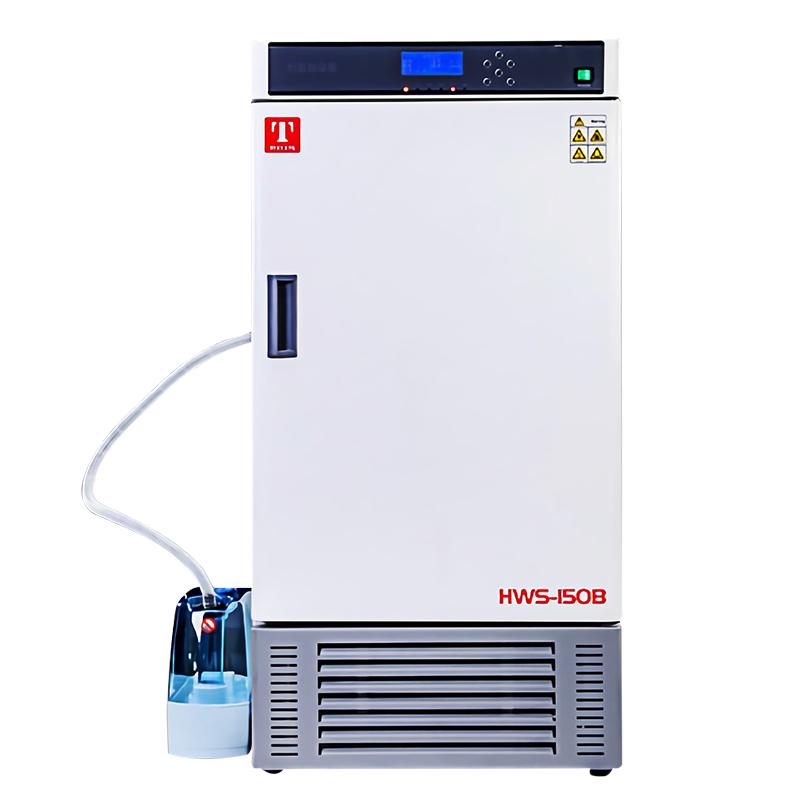
The constant temperature and humidity Test Chamber has an important application in the heat and humidity resistance test of automotive coatings. During the use of automotive coatings, they will be affected by various environmental factors, such as humidity and high temperature. The damp heat Test Chamber can simulate these environmental factors, and test the damp heat resistance of the coating by controlling the temperature and humidity, so as to ensure its stability and durability under various environmental conditions.
Detection method
The general test method is as follows:
Prepare samples: Collect samples of the paint to be tested to ensure that the samples meet the requirements of the standard.
Adjust the damp heat Test Chamber: set the temperature and humidity of the Test Chamber, usually the test temperature is 50°C~60°C, and the humidity is 95%RH.
Prepare the test panel: apply the paint to be tested on the test panel, and the thickness should meet the standard requirements.
Place the test panels: Put the test panels in the damp heat Test Chamber and let them run under the set environmental conditions.
Observe the performance of the test board: During the test, it is necessary to regularly check the appearance, adhesion, hardness and other parameters of the test board to understand the performance of the coating.
Record data: record each detected data and results for data analysis and comparison.
End the test: After the test is completed, the test panel needs to be tested and analyzed to determine the wet heat stability of the coating.
With this method, the hygrothermal stability of coatings can be quickly and accurately assessed, and compliance with relevant standards and requirements can be determined. At the same time, this test method can also be used to evaluate the moisture and heat resistance of other parts of the car.