Fire retardant coating is a special coating whose main function is to prevent the spread and spread of flame, heat and toxic gas in case of fire, so as to protect the safety of people and property. Fire-resistant coatings are widely used in buildings, public places, transportation vehicles and other places, and are one of the important means to ensure the safety of people's lives and property.
Since fire retardant coatings may be affected by high temperature, high humidity and other environments in actual use, a heat and humidity resistance test is required. By simulating the use of high-temperature and high-humidity environments, the performance and reliability of fire-resistant coatings are tested under these conditions, so as to ensure that they can work normally under extreme conditions and improve their fire-proof effects and service life. At the same time, fire-resistant coatings also need to meet relevant safety standards and regulations, such as the national standard GB14907-2018 "Fireproof Coatings for Buildings", etc. The heat and humidity resistance test is one of the important test items, which helps to ensure the quality of fire-resistant coatings and reliability to ensure that it can effectively protect the safety of personnel and property.
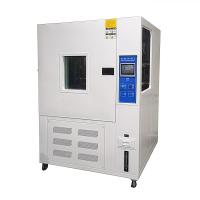
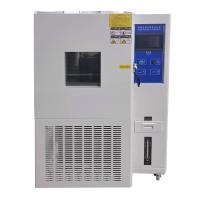
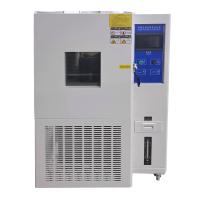
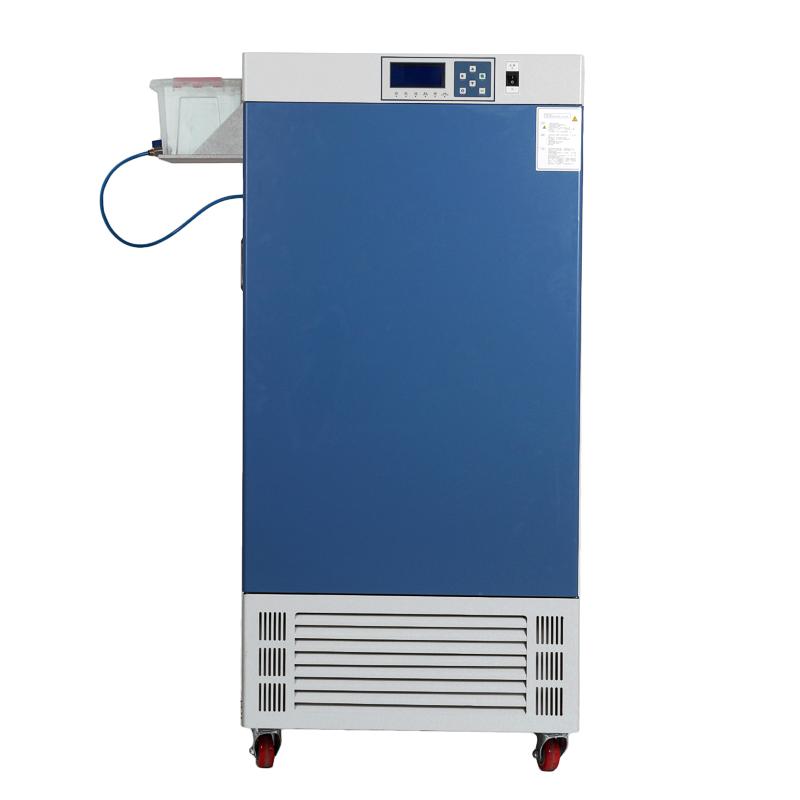
The constant temperature and humidity Test Chamber can simulate the high temperature and high humidity conditions in the actual use environment in the heat and humidity resistance test of fire retardant coatings, and evaluate the heat and humidity resistance performance of the coating and its influence on the fire resistance performance.
Detection method
The following are the specific test methods:
Sample preparation: Apply the fire retardant coating evenly on the test panel, and dry and cure according to the requirements and standards provided by the coating manufacturer.
Test condition setting: set the temperature and humidity of the Test Chamber to the required test conditions. The usual test conditions are 40°C and 95% relative humidity.
Test process: Place the sample in the damp heat Test Chamber, and conduct the test according to the required test time. The test time is generally 1000 hours.
Test evaluation: After the test, take out the sample and check the changes, cracks, and peeling off of the coating. The sample can also be analyzed by thermogravimetric analysis, infrared spectroscopy and other methods to evaluate its resistance to heat and humidity.
NBCHAO reminds you: when conducting the heat and humidity resistance test of fire retardant coatings, attention should be paid to the selection and setting of the test conditions, so as to ensure the accuracy and reliability of the test.