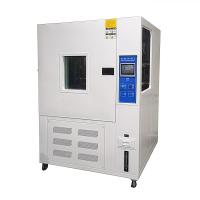
Wood coatings are usually used for the protection and decoration of wood products, such as furniture, doors, windows, floors, etc. During actual use, these wood products may be affected by factors such as high temperature, high humidity, and ultraviolet rays, which may cause paint peeling, discoloration, cracking, etc., affecting their aesthetics and service life. Therefore, in order to ensure the quality and reliability of wood coatings, it is necessary to conduct a heat and humidity resistance test. By simulating the environmental conditions of high temperature and high humidity, the performance and reliability of wood coatings under this condition are tested to determine whether they meet product standards and customers. need. This can ensure that wood coatings can have good performance in various harsh environments, prolong the service life of wood products, improve their quality and reliability, and provide users with better products and services.
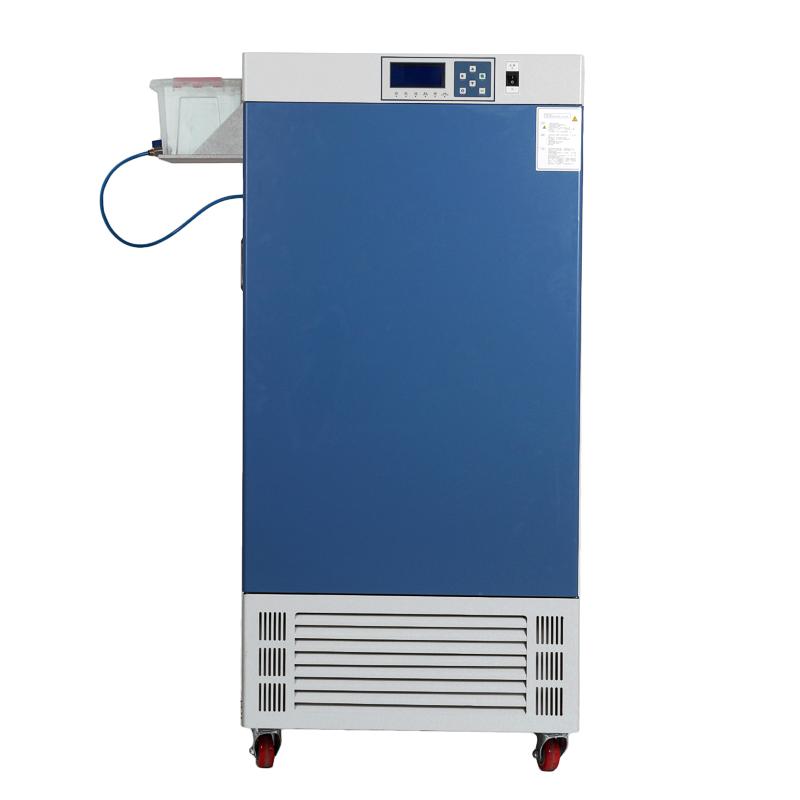
The moisture and heat resistance of wood coatings refers to the durability and stability of coatings in high temperature and high humidity environments. The damp heat Test Chamber can simulate a high temperature and high humidity environment and is used to evaluate the damp heat resistance of wood coatings.
experiment method
Sample preparation: choose a suitable wood substrate, cut it into a suitable size and shape, and apply a suitable paint according to the paint manufacturer's instructions.
Damp heat Test Chamber setting: put the sample into the damp heat Test Chamber, set the temperature at 40°C, and the humidity at 95% RH.
Test period: According to the requirements of paint manufacturers and international standards, the test period is usually 1000 hours or longer.
Evaluation: After the end of the test period, evaluate whether the appearance, color, adhesion and other physical properties of the sample have changed. By comparing before and after the test, evaluate the moisture and heat resistance of the coating.
North and South Chao reminds you: the moisture and heat resistance of coatings is also affected by other factors, such as coating thickness, substrate and coating formulation, etc., so these factors need to be considered comprehensively in practical applications.