Pearlescent pigment is a pigment widely used in the production of cosmetics, paints, printing and other products. Due to its special optical effect, pearlescent pigments show different colors and effects under different light, so it is prone to chromatic aberration. The quality of different pearlescent pigments is different, which will lead to differences in the color, brightness and transparency of pearlescent pigments. Pearlescent pigments are often added to the base material, and the color and quality of the base material will also affect the performance of pearlescent pigments. Under different light sources, the color of pearlescent pigments will also be different. Different pearlescent pigment formulations will also affect its performance, which may cause color difference.
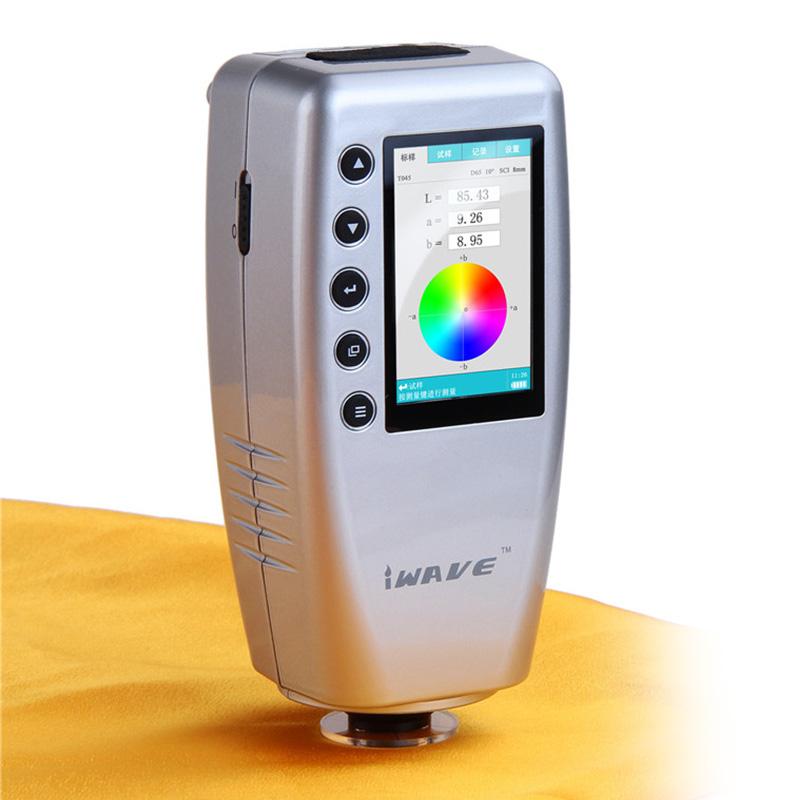
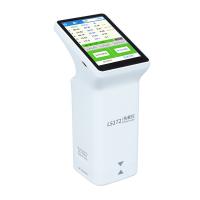
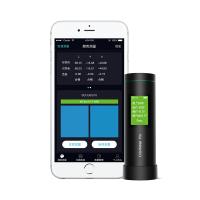
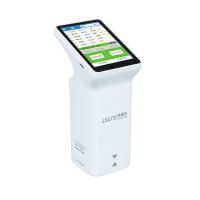
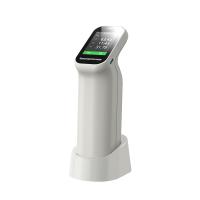
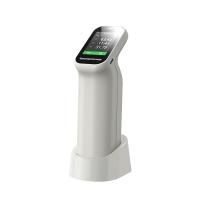
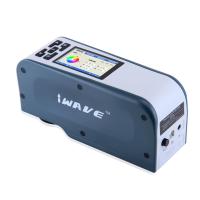
The Colorimeter is also a common application in the color difference detection of pearlescent pigments. Pearlescent pigment is a kind of pigment commonly used in cosmetics, paints, plastics and other fields, and its color will vary due to the size and shape of the particles. By using a Colorimeter to measure the color of pearlescent pigments, it can help manufacturers ensure the consistency of product color.
The following are the measurement steps of using a Colorimeter in the color difference detection of pearlescent pigments:
Take a certain amount of sample from the pearlescent pigment and spread it evenly on a white platform.
Adjust the instrument to the correct measurement mode according to the instruction manual of the Colorimeter.
Place the Colorimeter on the sample and press the measurement button to measure. Make multiple measurements at different locations to ensure the accuracy of the results.
Record the L, a, b value of each measurement position, and calculate the color difference between samples.
According to the size of the color difference, judge whether the color of the sample is consistent. A certain color difference tolerance value can be set as required, and if the color difference is smaller than this tolerance value, the color of the sample can be considered to be the same.
By comparing the color difference between different samples, the color stability of pearlescent pigments and the influence of particle size and shape on color can be analyzed.
Clean up the sample and clean the Colorimeter to ensure the accuracy of the instrument.
In short, the Colorimeter is a very useful tool in the color difference detection of pearlescent pigments, which can help us quickly and accurately judge the color consistency of pearlescent pigments, and make relevant analysis and adjustments to ensure the color stability and quality of products.