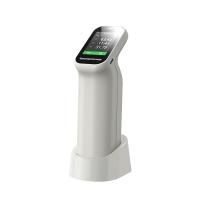
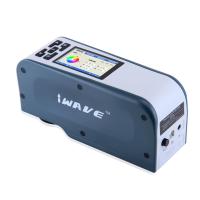
Painted parts should be measured for color difference to ensure consistent color appearance, maintain product quality, and meet customer requirements. Here are a few key reasons:
Color Consistency: Painted parts are often used in applications where a consistent color appearance is of paramount importance to aesthetics, brand identity, and product performance. Color difference measurement allows an objective assessment of the color change between a target color or reference standard and the actual color of the painted part. This helps detect any color discrepancies, ensuring painted parts have a consistent color across batches, production runs or manufacturing locations.
Quality Control: Color difference measurement is an important quality control parameter for painted parts. It helps identify potential defects or color variations that may occur during the painting process, such as uneven application, color mismatch or color drift. By detecting color differences, corrective action can be taken to resolve any issues and ensure painted parts meet required color specifications and quality standards.
Customer Satisfaction: Painted parts are commonly used in consumer goods, automotive and other industries where visual appearance is important to customer satisfaction. Consistent color is an important aspect of product aesthetics and perceived quality. By measuring color difference, painted parts can be objectively evaluated to ensure they meet desired color requirements, increasing customer satisfaction and loyalty.
Process optimization: Color difference measurements can also be used for process optimization in painting operations. By monitoring color differences over time, trends or patterns can be identified and appropriate adjustments can be made to the coating process, such as paint formulation, application parameters or curing conditions, to minimize color change and optimize process performance.
In summary, color difference measurement on painted parts is necessary to ensure consistent color appearance, maintain product quality, meet customer requirements, and optimize the painting process to improve performance and customer satisfaction.
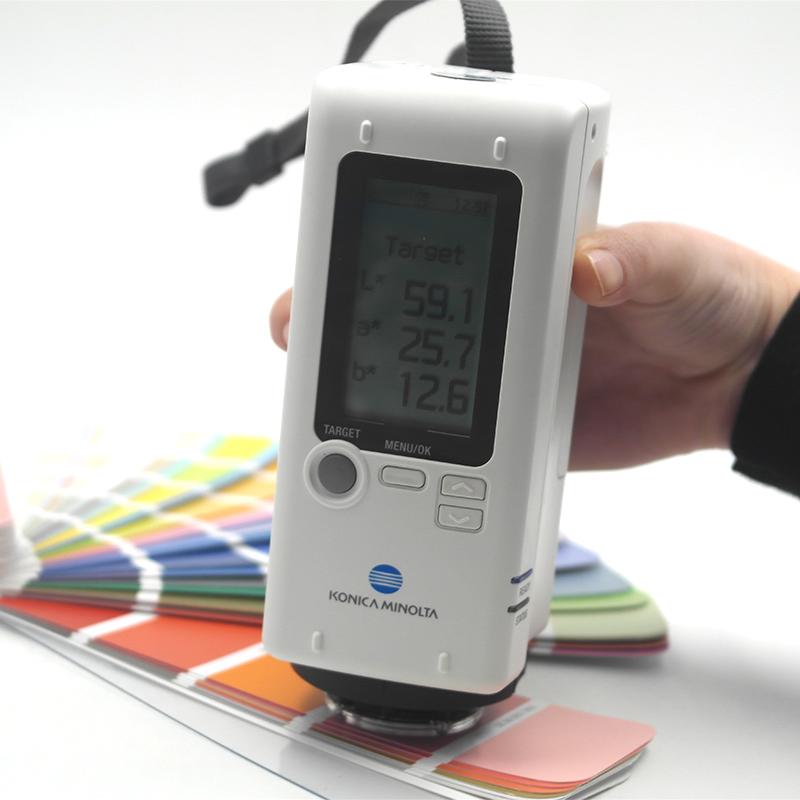
experiment method
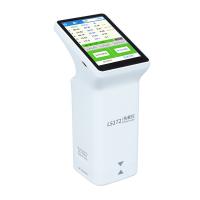
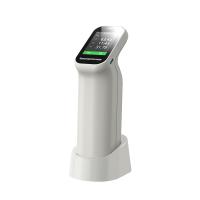
The color difference meter has an important application in the color difference detection of painted parts. The general measurement procedure is as follows:
Prepare the sample: Place the painted part to be measured against a neutral gray background.
Calibrate the Colorimeter: calibrate according to the instructions of the Colorimeter. This usually includes white and black calibration to ensure accurate measurements.
Measure the sample: place the probe of the Colorimeter on the surface of the painted part, and press the measurement button to measure. It usually takes multiple measurements to obtain the average value and ensure the accuracy of the measurement results.
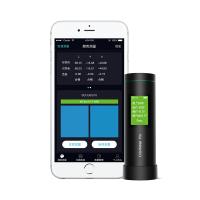
Analyzing Results: Compare the measurements to a standard sample to determine any color differences. Results can be analyzed and reports generated using the Colorimeter's software.
Color adjustments: If measurements show a color difference, the color of the painted part will need to be adjusted so that it meets the desired specification. Respray and measure again until desired color is achieved.