The color of a pepper is often an indicator of its ripeness and ripeness, which affects its flavor, aroma and heat. The different stages of ripening result in changes in color, from green to yellow, orange, red, and even purple, depending on the variety of pepper. Therefore, detecting color differences helps to ensure that the peppers are harvested or harvested at the correct stage of ripening for better flavor and quality.
Second, peppers are often used as a key ingredient in various culinary applications such as sauces, salads and spice mixes. The color of chili peppers can affect the appearance and presentation of these foods, as consumers often associate certain colors with specific flavors or heat levels. Therefore, detecting color differences helps to ensure the consistency of the color of chiles used in food production, resulting in consistent flavor and visual appeal of the final food.
Finally, chili peppers are also used to produce paprika, which is used as a seasoning and coloring agent in various foods. The color of paprika is an important parameter as it affects the visual appeal and sensory perception of the final food product. Detecting color differences in peppers helps to ensure consistent color characteristics of paprika produced from different batches or sources, ensuring consistent quality and performance of paprika in food applications.
In summary, it cannot be overstated how important testing peppers for color difference is in ensuring better flavor, quality and consistency in a variety of culinary and food production applications.
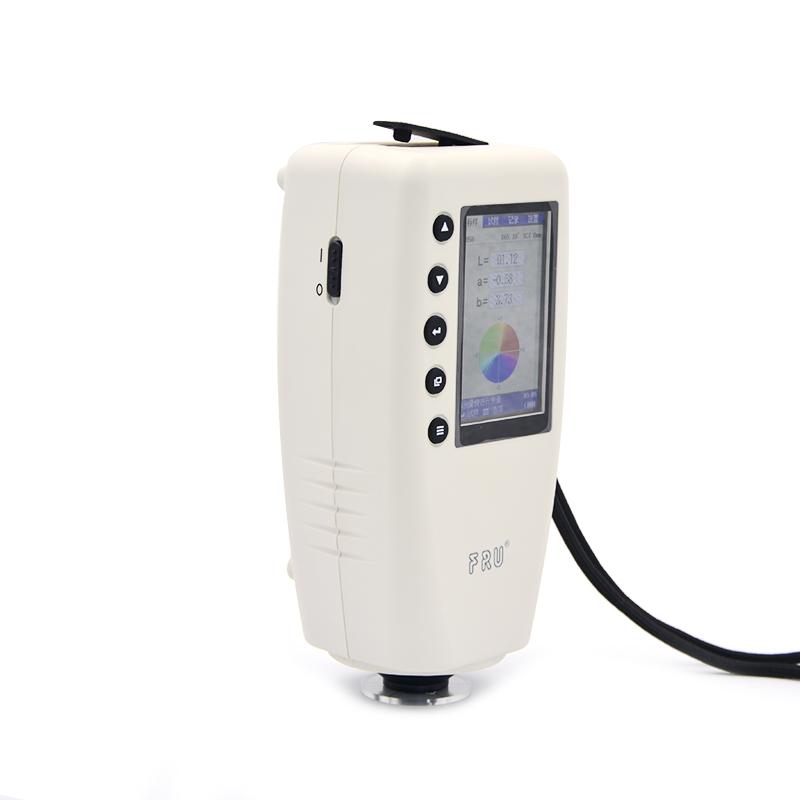
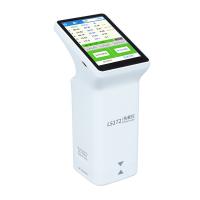
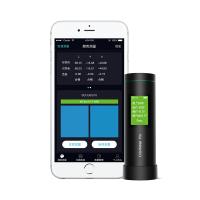
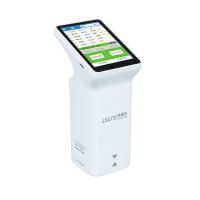
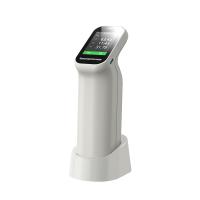
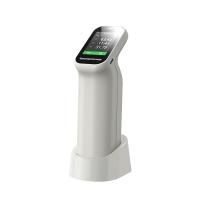
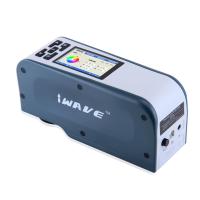
The Colorimeter can be used to measure the color parameters of peppers, including L* (lightness), a* (red/green degree) and b* (yellow/blue degree), etc., to judge the maturity and quality of peppers, etc.
Measurement steps:
1) Sample preparation: Take a certain amount of pepper sample and grind it into powder.
2) Instrument calibration: Calibrate the Colorimeter to a standard white plate to ensure accurate measurement.
3) Measurement: Put the sample on the test bench of the Colorimeter, press the measurement button to complete the measurement.
4) Result analysis: Read the measurement results, including L*, a and b values, and evaluate the color quality of the sample based on these values.
5) Record: record the measurement results and sample information to facilitate subsequent analysis and comparison.
The above is the application and measurement steps of the color difference meter in the detection of pepper color difference.