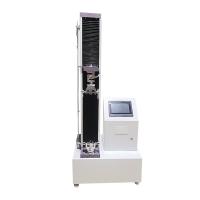
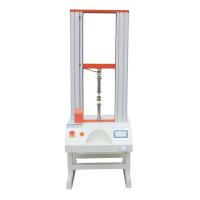
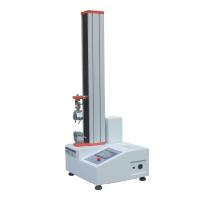
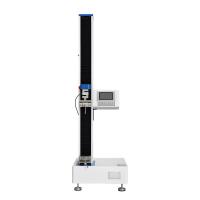
Pole piece adhesion is the core performance index of new energy batteries, which directly affects battery life, performance and safety. This paper combines practical operation to formulate a concise and standardized tensile test scheme to provide support for R&D and quality control.
Test principle and scope of application
Principle
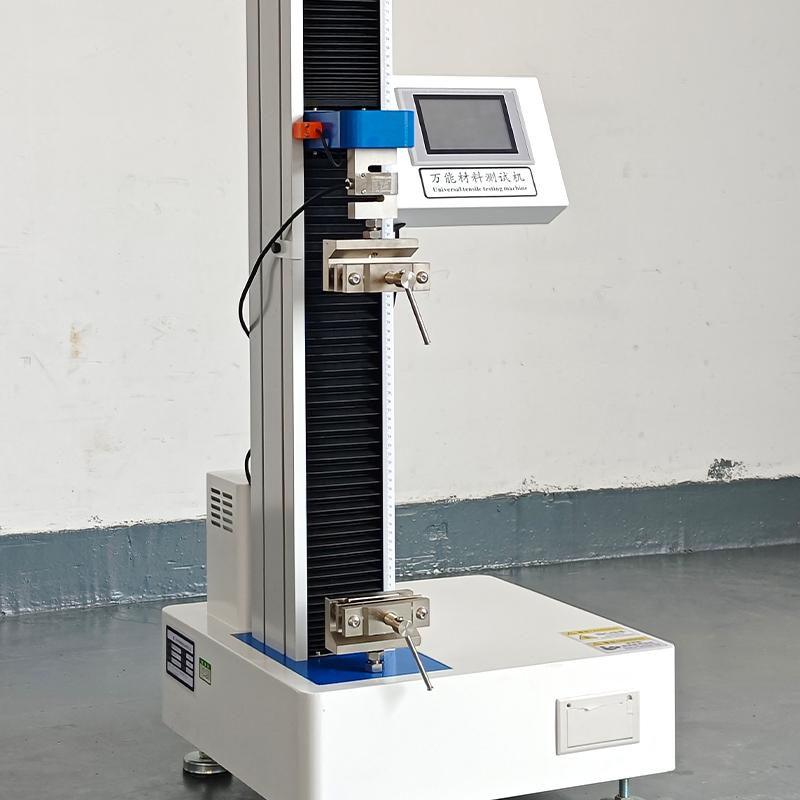
The axial tensile force is applied at a uniform speed with a universal tensile testing machine until the active material of the electrode piece is peeled off from the current collector, and the adhesion is calculated by the maximum tensile value and coating area.
Scope of application
All kinds of new energy battery positive and negative electrode sheets, covering laboratory research and development and industrial production testing.
Preparation for testing
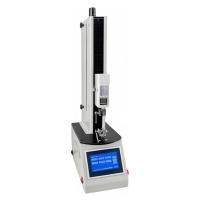
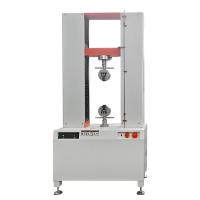
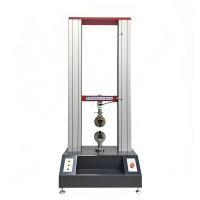
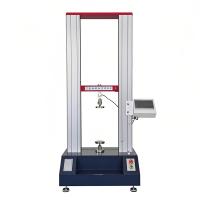
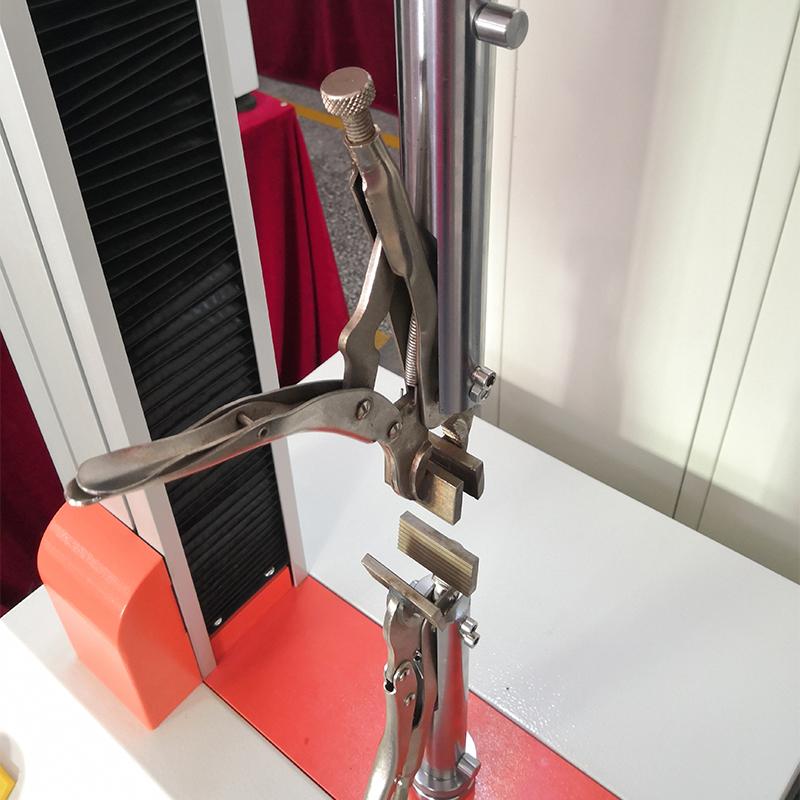
Equipment - Select ≥ 0.5 universal tensile testing machine, equipped with a micro clamping fixture, calibrate the sensor in advance, preheat for 10-15 minutes, and set the tensile speed of 5-10mm/min.
Specimens - 5 specimens are randomly ≥ in the same batch, cut to 10mm×50mm, the surface is not damaged, the coating is uniform, and the edge burrs are polished.
Auxiliary appliances – prepare alcohol, cleaning cloth, ruler, electronic balance (0.01g accuracy).
Test the hands-on process
1. Install the specimen: clean the specimen and measure the coating area, and clamp the upper and lower fixtures at both ends to ensure that the axis is aligned and the force is moderate.
2. Start test: set the parameters and stop conditions, start the program after clearing, and record the maximum tension value at the moment of peeling.
3. Repeat and abnormal handling: complete 5 specimen tests and clean the fixture; If there is slippage or fracture abnormality, the data is eliminated and supplemented for testing.
Testing considerations
constant temperature 20±2°C, humidity 45%-65%;
avoid eccentric stretching to prevent force value distortion;
maintain a constant speed to avoid shock loads;
Clean the equipment in time after the test to avoid residual corrosion of the fixture with active substances.
Data processing
Eliminate abnormal data, calculate the average value of effective data, calculate the adhesion according to the formula (keep 3 significant figures), judge the qualification, and form a test report.
summary
This solution is concise and standardized, covering the core points of the whole testing process, and can accurately obtain pole piece adhesion data, which is suitable for laboratory and industrial testing, and can provide support for binder selection and process optimization, helping to improve the quality and safety of new energy batteries.