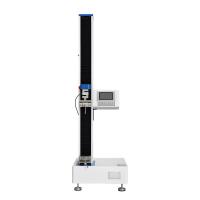
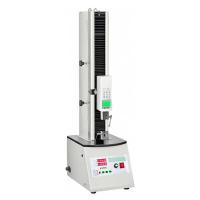
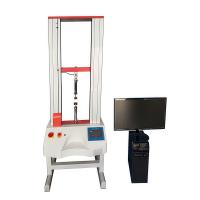
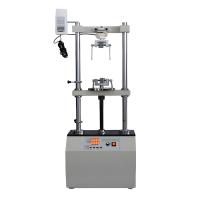
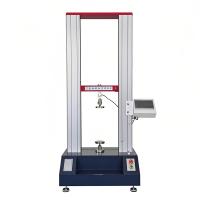
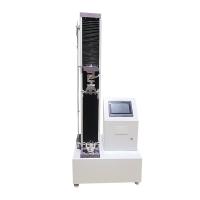
As the core equipment for material mechanical property testing, tensile testing machine is widely used in metals, textiles, polymers and other fields, and its performance stability and operational standardization directly determine the accuracy, reliability and comparability of testing data. CNAS (China National Accreditation Service for Conformity Assessment) and CMA (Inspection and Testing Agency Qualification Accreditation) as reliable laboratory certification systems, have formulated clear requirements for equipment control, operation process, personnel management and other aspects of tensile testing machines, which are the core prerequisites for laboratories to pass certification and carry out compliance testing, and are also the key to ensuring the credibility of test results.

CNAS/CMA certification puts forward requirements for the equipment of the tensile testing machine itself, focusing on three dimensions: measurement performance, equipment status, and maintenance and calibration. The measurement performance is the core, and the key parameters such as force value, displacement, and speed of the testing machine are required to meet the relevant measurement standards, the error of the force value is not more than ±1%, the error of the displacement value is not more than ±0.5%, and the fluctuation range of loading speed is controlled within ±5% of the set value to ensure the accuracy of the detection data.
In terms of equipment status control, the certification requires the testing machine to have complete equipment files, including factory certificates, manuals, installation and commissioning reports, measurement and calibration certificates, etc., and the equipment is clearly identified, distinguishing between "qualified", "deactivated" and "maintenance" statuses, and it is strictly forbidden to put unqualified equipment into use. At the same time, the testing machine needs to be installed in an environment that meets the requirements, the temperature is controlled at 23°C±5°C, and the relative humidity is 50%±10% to avoid vibration, electromagnetic interference and other factors affecting the performance of the equipment.
Maintenance and calibration is an important guarantee for equipment compliance, CNAS/CMA requires the testing machine to be regularly calibrated and calibrated, the calibration period does not exceed 12 months, the calibration agency must have the corresponding qualifications, and a qualified calibration certificate must be issued after calibration. In daily use, it is necessary to establish an equipment maintenance ledger, regularly inspect, clean, and maintain the equipment operation status and fault conditions in a timely manner.
In terms of operating specifications, CNAS/CMA certification emphasizes standardization and standardization, eliminating human operation errors. First of all, operators need to have corresponding qualifications, take up their posts after passing professional training and assessment, be familiar with the operating procedures, performance parameters and safety precautions of the testing machine, and strictly prohibit unlicensed operation and illegal operation.
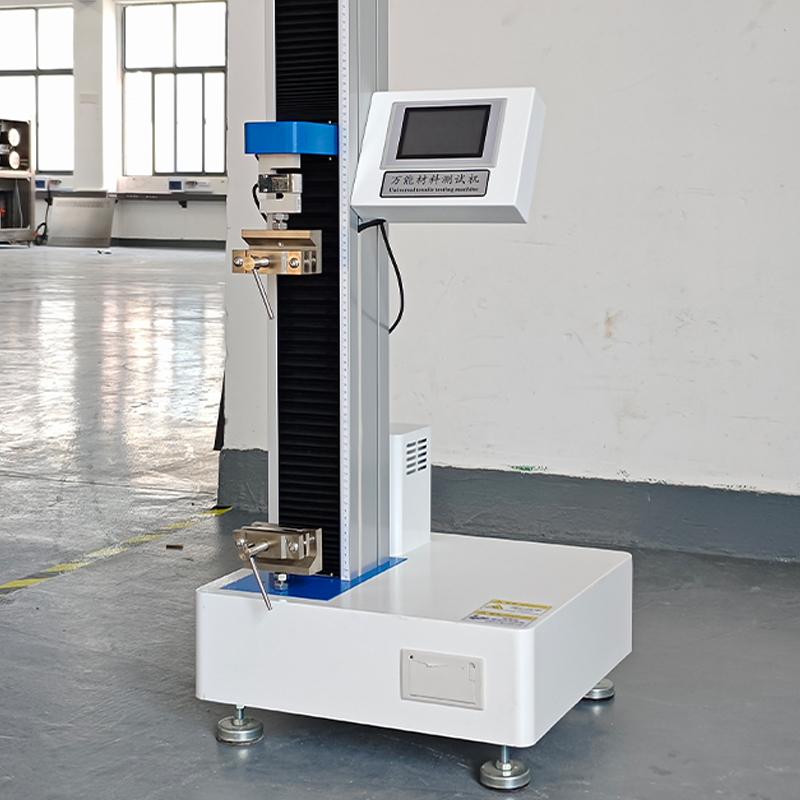
During the operation process, it is necessary to strictly follow the testing standards and operating procedures, and the sample preparation, clamping, loading, unloading and other links need to be standardized and orderly. The specimen should be firmly and centered to avoid the distortion of the detection data caused by clamping deviation; The loading speed should be set strictly according to the standard, and the loading speed should be uniform to avoid sudden acceleration and deceleration. During the testing process, key data such as force value, displacement, and breaking strength should be recorded in real time, and the records should be complete, clear, and traceable, and should not be tampered with at will.
In addition, the certification also requires the establishment of a complete quality control system, the whole process of the testing process of the tensile testing machine, regular internal quality audits and proficiency verification, investigation of hidden dangers in the operation process, and timely correction of irregular behavior. At the same time, it is necessary to formulate emergency plans to deal with equipment failures, emergency safety incidents, etc., to ensure that the testing work is carried out in an orderly manner, and to ensure the personal safety of operators and equipment safety.
In summary, the core of CNAS/CMA certification for tensile testing machines and operations is to ensure the accuracy, reliability and traceability of testing data. Laboratories need to strictly implement equipment control and operation specifications, regularly carry out calibration maintenance and personnel training, and continuously improve testing capabilities in order to successfully pass certification, issue credible test reports, and provide strong support for material quality control in various industries.