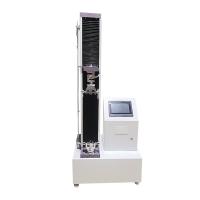
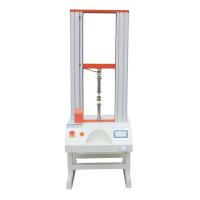
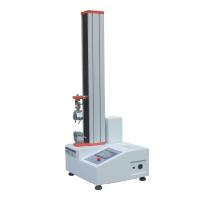
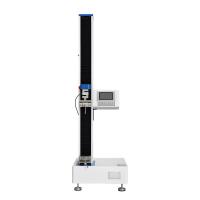
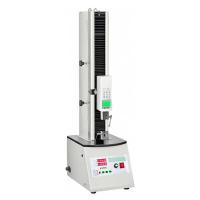
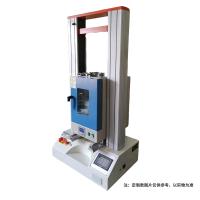
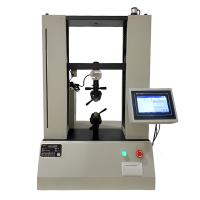
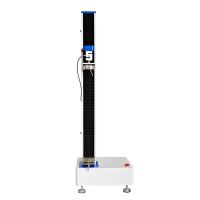
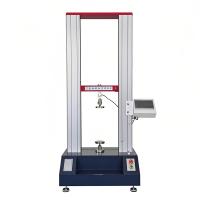
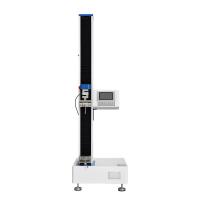
Coating/substrate systems are widely used in many industries, and interfacial bond strength is the core indicator of their service reliability. The tensile test method is a classic means to evaluate this index, which can quantify the bonding ability of coatings and substrates, and follows GB/T 8642, ASTM D4541 and other standards, providing a basis for process optimization and life prediction.
Test core principles
1. Core logic: By applying axial tensile load at a uniform speed, the coating and the substrate are separated along the interface, the maximum tensile force is recorded, and the bonding strength is calculated based on the effective area of the interface.
2. Calculation formula: σ = Fmax/S (σ is the interfacial bonding strength, Fmax is the maximum tensile force, and S is the effective bonding area).
Standardize testing processes
Sample preparation: Prepare standard specimens according to the system type to ensure that the interface is defect-free, the effective area is controllable, and the clean surface removes oil impurities.
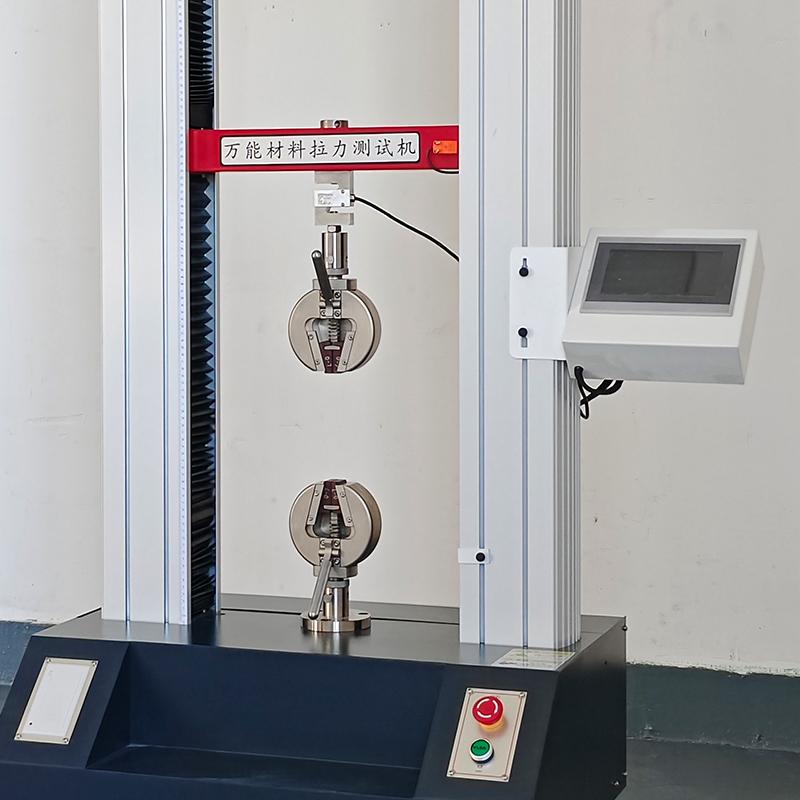
Equipment debugging: select a precision electronic universal tensile testing machine and calibrate the sensor; Set the loading rate of 1-5mm/min to avoid eccentricity in standardized clamping.
Loading test: Uniform speed loading, collecting force value-displacement curves, observing the separation status of the interface, and recording the maximum tensile force and displacement data.
Data processing: Eliminate abnormal data, calculate the intensity according to the formula, and analyze the curve to determine the interface failure type.
Key influencing factors and precautions
1. Core influencing factors: sample preparation accuracy, loading rate, environmental conditions (temperature and humidity), fixture blessing method.
2. Key points: avoid specimen interface defects, load eccentricity, control temperature and humidity stability, and ensure that the data is true and effective.
Test significance
As the core means of evaluating the performance of the interface, it is easy to operate and accurate data, which can provide technical support for the improvement of coating preparation process and the evaluation of system service reliability, and promote its high-quality application in various industries.