The importance of detecting color differences cannot be overemphasized in the production of flexographic inks to ensure accurate and consistent color reproduction on various substrates such as paper, cardboard, plastic or fabric. Flexography is a widely used printing process that involves the transfer of ink to a substrate using a flexible printing plate. It cannot be overemphasized that color accuracy and consistency of printed images is critical to achieving the high-quality print results that meet customer expectations.
Color difference detection in flexographic inks is necessary to ensure that ink colors meet required specifications, such as Pantone color standards or customer-specified color targets. This helps maintain color consistency across different printing processes, production batches or substrates. Any color deviation, inconsistency, or variation in the ink can result in a visible color difference in the printed image, resulting in poor print quality, customer complaints, and potential rejection of the printed material.
In addition, the importance of color difference detection for quality control in the ink manufacturing process is self-evident. It helps identify any formulation issues, raw material variations or production inconsistencies that could affect ink color accuracy and consistency. By detecting color variation, ink manufacturers can take corrective action to maintain consistent ink color quality, ensure reliable printing performance, and maintain customer satisfaction. It also helps maintain the ink manufacturer's reputation as a reliable supplier of high-quality flexographic inks.
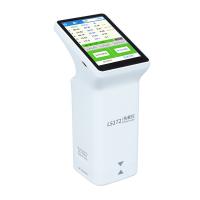
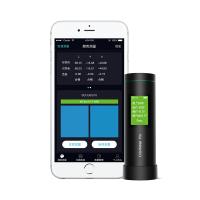
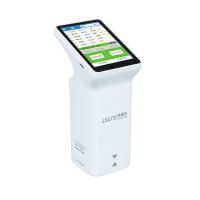
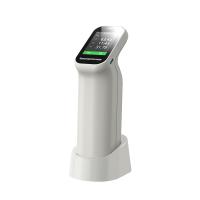
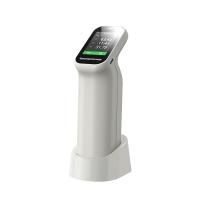
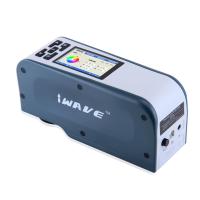
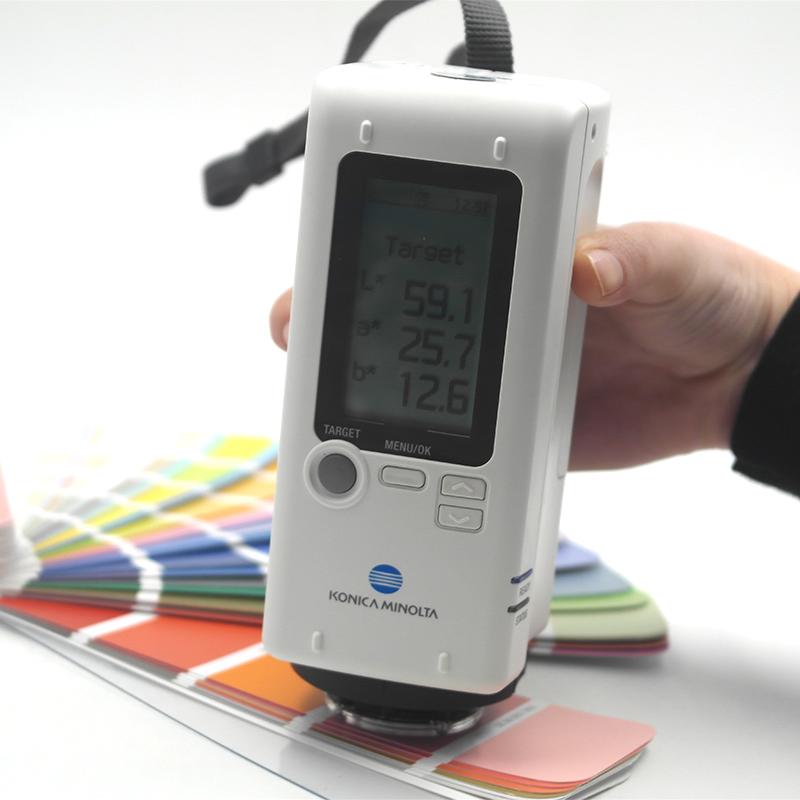
In order to ensure the consistency of ink color, it is necessary to use a color difference meter for color difference detection.
experiment method
The following are the measurement steps for flexo printing ink color difference detection:
Prepare samples: Samples of flexo inks are taken from the production line and applied to flexible materials to make sample cards.
Calibrate the Colorimeter: Before taking measurements, the Colorimeter needs to be calibrated to ensure accurate measurement results.
Place the sample: place the sample card on the measuring platform of the Colorimeter, make sure that the sample card completely covers the measuring platform, and place it according to the instructions of the Colorimeter.
Measurement: Measure according to the operating instructions of the Colorimeter to obtain the Lab* value of the color or other relevant data.
Comparison and analysis: compare the measurement results with standard values, and analyze and adjust the formulation and production process of flexo printing inks according to the differences.
North and South Tide reminds you: When measuring, avoid external factors (such as light and impurities) from affecting the measurement results. In addition, to ensure the accuracy of the measurement results, it is recommended to perform multiple measurements under the same environmental conditions.