The effect of chromatic aberration on juice can affect its visual appearance and perceived quality. Juice is often considered to have a specific color associated with the type of fruit used, for example orange juice is orange and cranberry juice is red. Chromatic aberrations in juices can cause changes in hue, brightness or clarity, which can affect the visual appeal and freshness of the product. Consumers may associate colorless juice with spoilage, loss of quality or lack of freshness, leading to decreased consumer confidence and potential product rejection. Therefore, the importance of maintaining a consistent juice color to ensure product quality, consumer satisfaction and market competitiveness cannot be overemphasized.
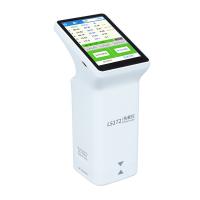
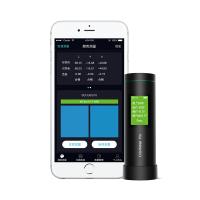
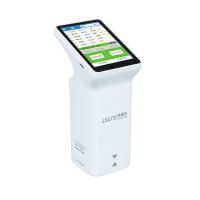
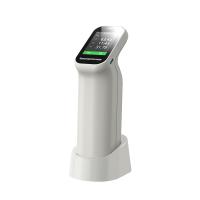
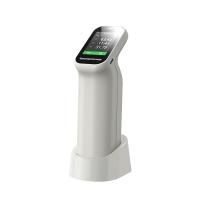
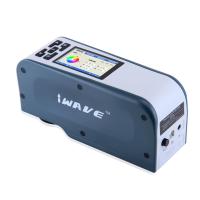
The color difference meter can be used for color measurement and comparative analysis of fruit juices to determine the color difference between different samples. This is very important to ensure the quality and stability of the juice. In addition, the Colorimeter can also be used for the measurement and comparison of added pigments in fruit juice to ensure that the added pigments meet the relevant standards.

experiment method
The measurement steps are as follows:
Prepare the sample: select the juice sample to be measured and ensure that the sample is completely mixed and even.
Calibrate the Colorimeter: According to the instruction manual of the Colorimeter, perform the calibration operation to ensure the accuracy of the measurement.
Measure the sample: place the Colorimeter above the sample, press the measurement button, and wait for the measurement result. Measure multiple times to ensure the accuracy of the results.
Record measurement results: record the results of each measurement, including color parameters such as Lab value or LCh value, etc.
Comparative analysis: compare and analyze the measurement results of different samples, determine the color difference between them, and make adjustments as needed.
North and South Chao reminds you: When measuring fruit juice, you should pay attention to the concentration of the sample and the amount of pigment added and other factors that may affect the measurement results, so appropriate corrections and adjustments should be made. In addition, it should be ensured that the use and maintenance of the Colorimeter meet the relevant requirements to ensure the accuracy and repeatability of the measurement results.