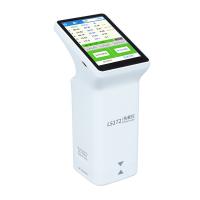
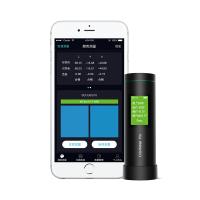
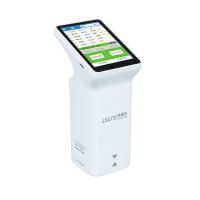
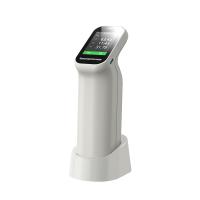
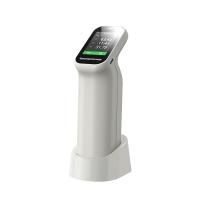
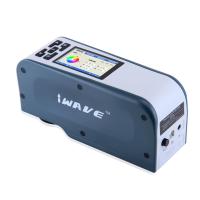
Colorimeters are widely used in the textile industry, especially in the production of yarns, to measure the color difference of yarns. By measuring the color of the yarn, the quality of the yarn and the consistency of the color can be determined, thereby ensuring the quality of the yarn.
The importance of testing yarns for color variation cannot be overemphasized to ensure that yarns are consistent in color and meet required specifications. Yarns are commonly used in a variety of textile and apparel applications, where color consistency is of paramount importance to producing high quality and visually appealing products. Color difference testing helps identify any variations or deviations in yarn color that may affect the appearance and quality of the finished textile or garment.
Shade variations in the yarn can affect the visual appearance and aesthetic appeal of the final product. Inconsistencies in yarn color can lead to noticeable color changes in fabrics or garments, which may be undesirable and unappealing to consumers. Shade variation in yarns can also affect the overall color coordination, color matching and pattern arrangement of a textile or apparel product, thereby affecting its visual appeal and perceived quality.
Additionally, color difference testing is important for maintaining color consistency in textile and apparel production. Yarns are usually produced in batches and may vary in color due to differences in dyeing or manufacturing processes, changes in raw materials or other factors. Color difference testing helps to detect any color deviation between batches or batches of yarn so that corrective action can be taken to maintain color consistency in production. In textile and apparel production, the importance of consistent color matching cannot be overemphasized to ensure that the final product meets the required color standards, customer expectations and market requirements.

experiment method
A color difference meter, also known as a Colorimeter or a Spectrophotometer , measures yarn color difference by analyzing the spectral reflectance or transmittance of a yarn sample. Here is a simplified overview of how a color difference meter measures yarn color difference:
Illumination: The Colorimeter emits light of a specific wavelength or a range of wavelengths onto the yarn sample. Light can be transmitted through the yarn sample or reflected from the yarn surface.
Detection: Colorimeters use Detectors to measure the intensity of transmitted or reflected light at different wavelengths. The Detectors capture spectral reflectance or transmittance data, which represents the amount of light absorbed or reflected by the yarn at each wavelength.
Data analysis: The Colorimeter analyzes the spectral reflectance or transmittance data and calculates various color values, such as Lab*, LCh* or other color spaces, which represent the color characteristics of the yarn. These color values are usually based on a standardized color model that defines how the human eye perceives color.
Color difference calculation: The color difference meter compares the calculated color value of a yarn sample with a reference color standard or target value to determine the color difference. Color difference is usually calculated using a mathematical formula that quantifies the difference in color values between a sample and a reference standard. The larger the color difference value, the greater the color difference between the sample and the reference standard.
Display and report: The color difference meter can display the color difference value on the screen, and can also provide a printed report with the color difference data. Some Colorimeters can also provide a graphical representation, such as a color map or color difference diagram, to visually illustrate the color difference between a sample and a reference standard.
Beichao reminds you: Different Colorimeters may use different algorithms, color spaces and measurement conditions, which will affect the accuracy and consistency of colorimetric measurement. Therefore, follow the manufacturer's instructions and use a calibrated Colorimeter to ensure accurate and reliable results.