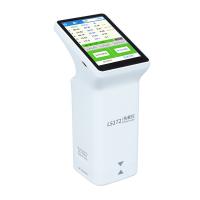
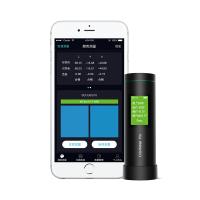
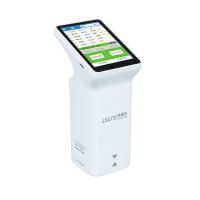
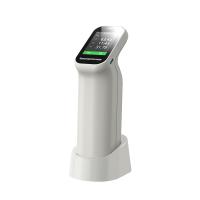
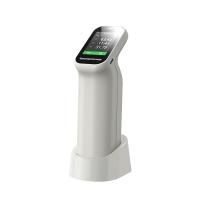
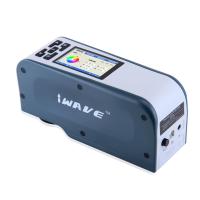
The color difference meter is a very common application scenario in the color difference detection of automotive refinish paint, which can effectively detect the color difference between the repaired area and the original car paint.
Car repair paint requires shade testing to ensure it accurately matches the original color of the vehicle being serviced. The importance of seamless and invisible repairs to maintaining the good looks and overall value of your vehicle cannot be overemphasized. Any color differences or mismatched paintwork are easily noticeable and can reduce the visual appeal of the vehicle, leading to customer dissatisfaction and complaints. The importance of color difference testing cannot be overemphasized to ensure that the refinish paint blends seamlessly with the surrounding paint, providing visual appeal that is indistinguishable from the original paint color. This helps ensure customer satisfaction, maintain brand reputation, and uphold quality standards in the auto repair industry.
In addition, color difference detection is also important for quality control during the production and application of automotive refinish paint. It ensures that the color of the refinish paint remains consistent from batch to batch or production run and meets required color specifications. It helps to identify any color deviations that may indicate formulation, processing or application issues so that corrective action can be taken to maintain product quality. The importance of consistent color matching in automotive refinish paint to maintaining brand reputation, customer trust and repeat business cannot be overemphasized. By testing for color differences, body shops and automakers can ensure their repair paint consistently meets color accuracy standards, resulting in high-quality repairs and satisfied customers.

experiment method
The following are the measurement steps of the color difference meter in the color difference detection of automotive refinish paint:
Sample preparation: Apply the automotive refinish paint sample to be tested on a standard Color Chart or a white background plate and let it dry. Meanwhile, prepare a sample of the original untreated car paint.
Instrument preparation: turn on the Colorimeter, select a suitable light source and observation angle, generally D65/10 degrees.
Calibration: Perform whiteboard calibration of the instrument to ensure accurate and reliable measurement results.
Measurement: Aim the probe of the Colorimeter at the sample to be tested, trigger the measurement, and record the measurement results.
Comparative analysis: compare and analyze the measurement results of the sample to be tested with the measurement results of the original car paint, and evaluate the color difference between the repaired area and the original car paint.
Conclusion: According to the size of the color difference value, judge whether the color difference between the repaired area and the original car paint meets the standard requirements.
NBCHAO reminds you: Because the surface of the car refinish paint sample is uneven, it is easy to produce gloss changes, so it is necessary to control the angle and distance when measuring, and keep the instrument and the sample vertical and stable. At the same time, the influence of environmental factors on color difference, such as the influence of lighting conditions and background color, needs to be taken into account in the comparative analysis.