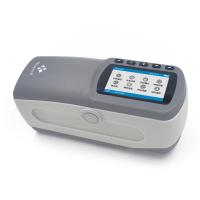
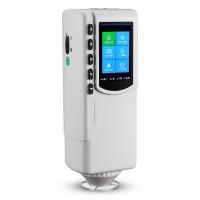
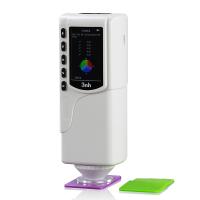
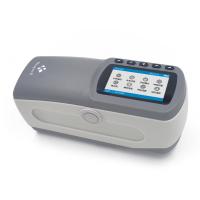
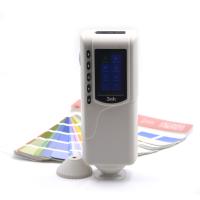
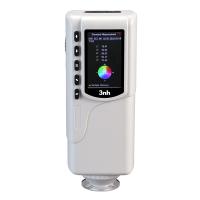
In the manufacturing process of film prints, color difference detection is very important to ensure product quality and consistency. A Colorimeter can accurately measure the difference between different colors and provide quantitative color difference values ââso that operators can adjust and check according to the required specifications. The following are the general steps for using a Colorimeter in color difference detection of film prints:
Prepare samples: According to product specifications, prepare film print samples to be tested and ensure that the surface of the sample is clean and free of contamination.
Adjust the Colorimeter: Follow the instructions of the Colorimeter to adjust and calibrate the device. Make sure it can accurately measure the difference between different colors.
To measure: Aim the probe of the Colorimeter at the surface of the sample and press the measurement button to measure. As needed, multiple measurements can be taken on different color areas to obtain more accurate results.
Record data: Measurements are recorded and compared and analyzed against the required specifications. If there are differences, adjustments and corrections need to be made to meet product quality requirements.
Analyze results: Analyze measurement results to determine whether they meet the required specifications. If discrepancies exist, further adjustments and inspections are required until the required quality standards are achieved.
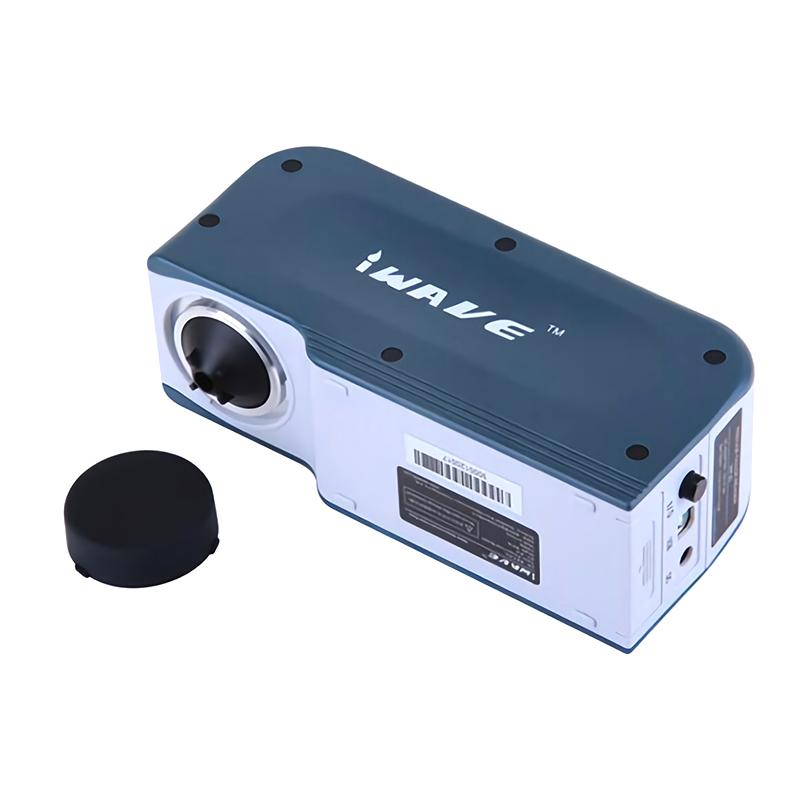
In short, when using a Colorimeter to detect the color difference of film prints, you need to strictly follow the operating procedures and ensure the accuracy and stability of the equipment to ensure product quality and consistency.