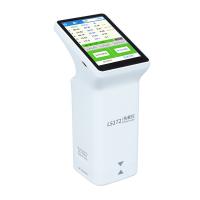
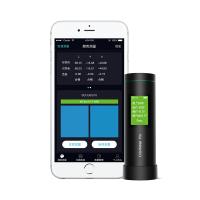
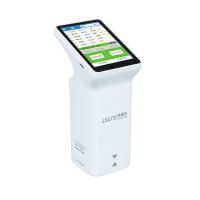
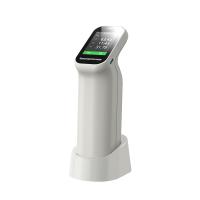
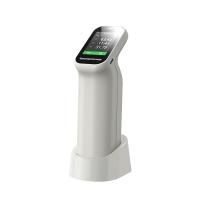
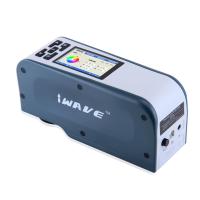
The color difference meter can be used to measure the color difference between creams manufactured in different batches or different production lines in the cream color difference test to ensure product consistency and quality stability.
The cream detects the color difference, which can guarantee the quality of the product from the following dimensions, such as:
TONE MATCHING AND CUSTOMIZATION: Creams with tinted formulas are often used to provide coverage and even eliminate skin tone. Color difference detection can be used to ensure that creams blend well with the wearer's natural skin tone, allowing for better shade matching and customization. This can help the product provide a more natural look and enhance the overall appearance of the skin.
Product Efficacy and Performance: In some cases, creams may contain color-sensitive ingredients or additives that change color when used or exposed to certain conditions to indicate product efficacy or performance. For example, a cream formulated with a color-changing ingredient that changes from white to a different color when massaged into the skin may indicate that the product has been well applied or absorbed. This provides feedback to the user and helps ensure the product is used correctly for better results.
Product stability and expiration date: Color difference detection in creams can also be used to monitor product stability and efficacy. For example, if a face cream contains a color indicator that changes over time, such as from one color to another, it may indicate that the product has expired or degraded and is no longer suitable for use. This helps ensure consumers are using creams that are still effective and safe, and avoid using expired or degraded products that may not provide desired benefits.
Quality Control and Manufacturing: Color difference detection is also important in the manufacturing and quality control process of face creams. By incorporating color-sensitive ingredients or additives, manufacturers can monitor and control product color during production to ensure consistency and quality. Color difference detection can be used as a visual indicator to identify any deviations or changes in color, which may signal product formulation, processing or packaging issues.
Beichao reminds you: the specific significance of the color difference detection of face cream depends on the formula, intended use and expected effect of the product. Color difference detection is a useful tool that can improve the performance, efficacy, stability and quality of creams and provide users with options for customization. However, it will be up to the product formulator or manufacturer to determine if and how to incorporate color difference detection into cream products.

experiment method
The measurement steps are as follows:
Sample preparation: take a certain amount of cream sample, and note that the sample amount should match the size of the measuring hole of the Colorimeter.
Adjust the Colorimeter: turn on the Colorimeter, select the appropriate light source and observation angle according to the nature of the sample, and calibrate the instrument.
Place the sample: place the sample in the measuring hole of the Colorimeter, and ensure that the surface of the sample is flat and uniform.
Measure the sample: press the measurement key on the Colorimeter, and record the color difference value after the measurement is completed.
Compare color difference: compare the measurement results of cream samples from the same batch or the same production line, analyze the color difference data, and judge whether the color difference of the product is within the allowable range.
Analyze the reason: If there is a color difference, it needs to be analyzed to determine the cause of the color difference and make adjustments to ensure the consistency and stability of the product.
North and South Chao reminds you: Before measuring, make sure that there are no obvious stains, stains or abrasions on the surface of the sample to avoid affecting the measurement results. In addition, interference between the Colorimeter and other light sources, such as sunlight, should also be avoided.