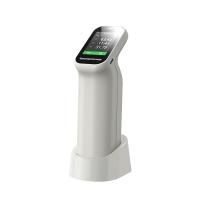
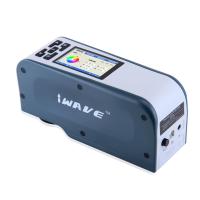
Textiles are usually dyed in large batches or rolls, and color variations may occur due to factors such as dye concentration, dyeing time, temperature, pH and agitation. Shade testing helps ensure that dyed fabrics in a lot or roll have a consistent color appearance within a lot and between lots or rolls. This helps prevent color variations or mismatches in the final textile, ensuring consistent color quality and appearance.
Textile fabrics are used in a wide range of applications such as clothing, home textiles, automotive textiles and industrial textiles. The importance of accurate color reproduction in meeting the required color specifications and visual appearance of these textiles cannot be overemphasized. Color difference testing allows the measurement and comparison of color values between different fabric samples, providing quantitative data on color differences. These data can be used to assess color accuracy and consistency, make necessary adjustments during the dyeing process, and ensure that dyed fabrics meet required color standards.
In addition, fabrics are often subjected to various environmental conditions such as exposure, washing and abrasion, which can cause color fading or changes over time. Periodic color difference testing can be used to monitor the color change of a textile throughout its life cycle, ensuring it maintains the desired color appearance and meets intended design or performance requirements. This aids in quality control and helps prevent potential customer complaints or rejections due to color differences.
In summary, the importance of color difference testing in textile dyeing cannot be overemphasized to ensure consistent color appearance, meet color specifications, and monitor color changes throughout the life cycle of the textile. Accurate color measurement and color difference testing help maintain color quality, consistency and customer satisfaction in the textile industry.
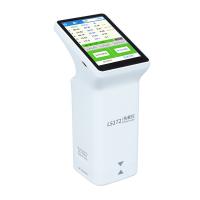
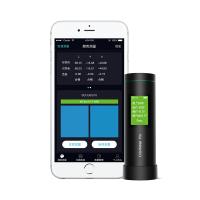
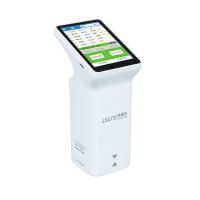
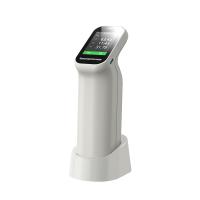
The color difference meter can measure the color parameters of fabrics, such as hue, lightness, color difference, etc., and is used to compare the color differences of fabrics from different batches and different manufacturers, so as to control the production process and quality.
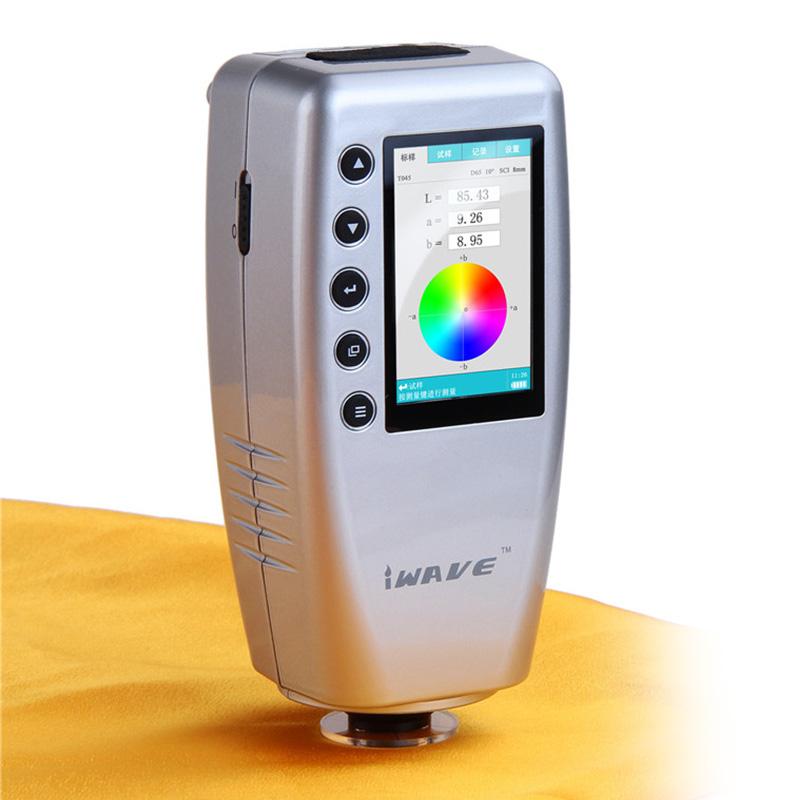
application
Color matching: The color difference meter can be used in conjunction with the computer system to formulate a suitable dyeing formula to ensure the consistency of the fabric color.
Quality control: By using the color difference meter, the dyed fabric can be inspected to ensure that its quality meets the requirements.
Measurement steps
Prepare the samples: Collect and prepare the required fabric samples, making sure the samples are clean and free from dirt or damage.
Calibrate the instrument: According to the instruction manual of the instrument, calibrate the instrument to ensure accurate measurement results.
Measure the sample: place the fabric sample on the measuring instrument, select the required measurement parameters, and measure.
Analyze Results: Compare measurements to desired standards and make adjustments for any discrepancies found.
Record data: record the data of each measurement for subsequent analysis and comparison in order to optimize the production process.