concept
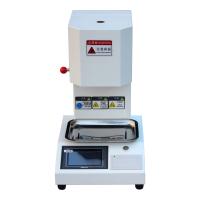
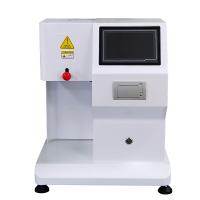
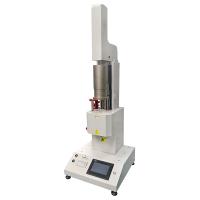
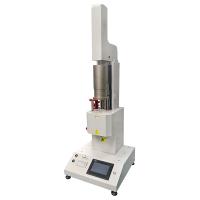
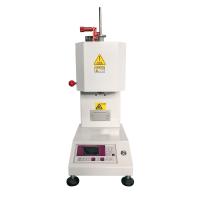
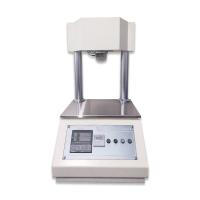
The Melt Flow Indexer is an instrument used to test the melt flow properties of plastics. It can measure the volume or mass flow rate of molten material of plastic under certain conditions (temperature, load, etc.) to evaluate the index of its melting performance. Through the melt index Tester, the melt index (MI) or melt flow rate (MFR) of the plastic can be obtained. These data are very important for the production and processing of plastics.
structure
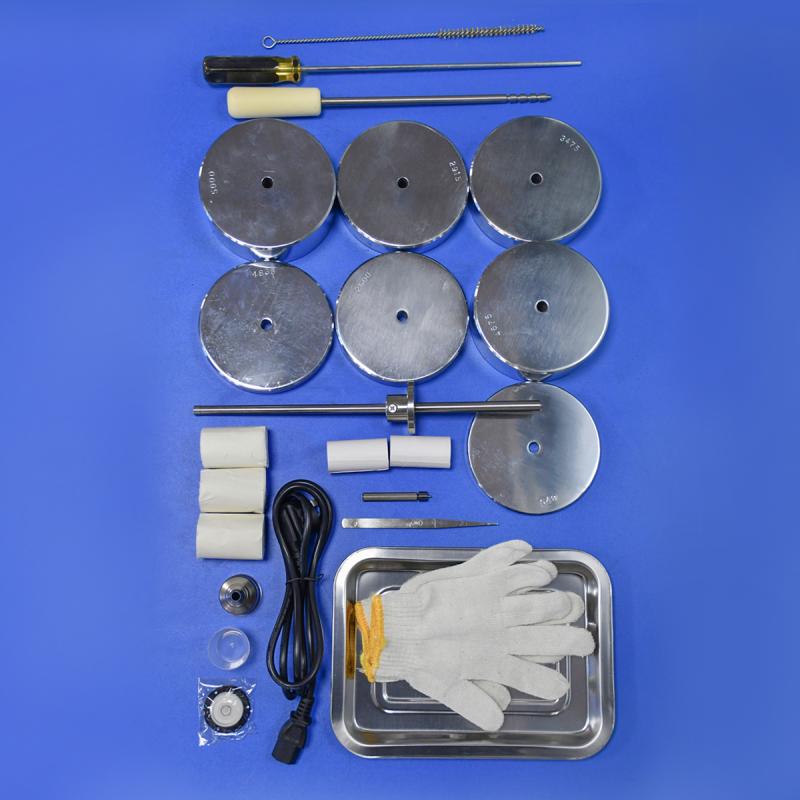
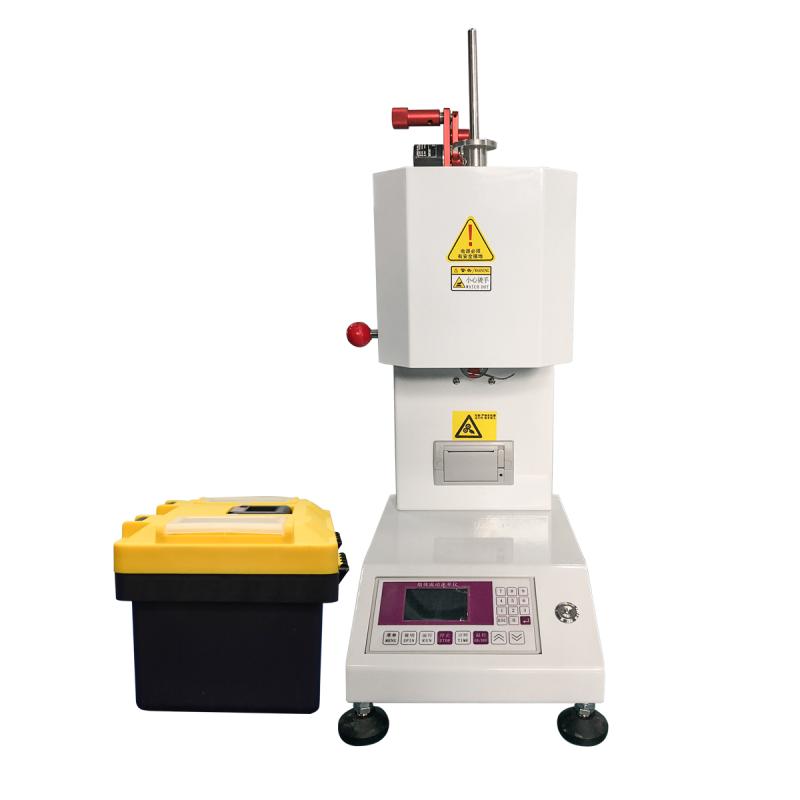
A melt indexer is usually composed of a heating system, a pressure system, a metering system and a control system. In the test, a certain amount of plastic sample is first put into the barrel of the melt indexer and heated at a specific temperature to melt it into a liquid state. Then a certain load is pressed on the liquid plastic to make it flow through a certain length of standard channel, and the molten material passing through the channel is collected within a certain period of time to calculate its volume or mass. By comparing the test results under different temperature, load and other conditions, the melt flow properties of plastics and their changes can be evaluated.
application
The Melt Flow Indexer is widely used in the production and processing of plastic materials, which can be used to determine the quality and applicability of plastics, and provide parameter references for plastics processing. Different types of plastics require melt indexers of different specifications to suit their specific testing requirements. The Melt Flow Indexer is one of the commonly used testing instruments in the plastics industry. Its main application is to measure the melt flow properties of plastic materials to evaluate the quality and applicability of plastics. The following are the applications of the melt indexer on plastics:
In the plastic production process, the Melt Flow Indexer can be used to monitor the quality of raw materials and product quality to ensure that the quality of plastic materials meets the specified standards.
Different types of plastics require different melt indices, therefore, Melt Flow Indexers can be used to screen plastic materials with different melt indices to suit different production and processing requirements.
The Melt Flow Indexer can test the melt flow properties of plastics under different temperature, load and other conditions to help determine better parameters for plastic processing and improve processing efficiency and product quality.
The test results of the Melt Flow Indexer can be used to evaluate the physical properties, flow properties, processability and other performance indicators of plastic products to determine their scope of application and product quality.
Steps
Preparations: Put the melt indexer on a stable workbench, and connect the instrument to the power supply. Prepare the sample material and determine the required test temperature, load and other parameters.
Heating system: Start the heating system, heat the barrel of the melt indexer to the test temperature, and keep it for a certain period of time until the temperature is stable.
Load the sample: Place the sample pellet into the barrel of the melt indexer and install the barrel into the instrument.
Applying load: When the sample material is molten, start the pressure system, apply a certain load on the sample, and make it pass through a certain length of standard channel.
Measuring flow: within a specified time, collect the molten material passing through the channel, and measure its volume or quality through the metering system.
Calculate Melt Index: Calculate melt index or melt flow rate based on test results.
Cleaning the instrument: After the test, it is necessary to clean the various parts of the melt indexer in order to obtain accurate results in the next test.
The specific operation steps of the Melt Flow Indexer may be slightly different due to different instrument models and different test requirements, so it is necessary to read the instrument manual carefully before operation, and operate according to the requirements of the manual. At the same time, you need to pay attention to safe operation during the test to avoid burns or other accidental injuries.