Coil coating is a coating used in the fields of building roofing, roof waterproofing, and basement waterproofing. Since coil coatings are affected by many environmental factors during use, such as oxidation, ultraviolet radiation, acid rain, etc., in order to evaluate the durability and service life of coil coatings, aging tests are required.
Specifically, the aging test of coil coatings can evaluate the performance and quality of coatings, including the following aspects:
Weather resistance:
Coil coatings are exposed to the natural environment for a long time and are easily affected by factors such as oxidation, ultraviolet rays, and acid rain, which can lead to problems such as performance degradation and appearance changes. Through the aging test, the weather resistance performance of the coil coating can be evaluated to provide a reference for product design and improvement.
Chemical Resistance:
Coil coatings may be exposed to various chemical substances during use, such as oil, acid, alkali, etc. If the chemical stability of the coating is insufficient, problems such as embrittlement, cracking, and peeling will easily occur. Aging tests can simulate the effects of different chemical environments and evaluate the chemical resistance of coil coatings.
Mechanical properties:
Aging tests can simulate the performance changes of coil coatings after long-term use, such as mechanical properties such as bending and tension, so as to evaluate their service life and stability.
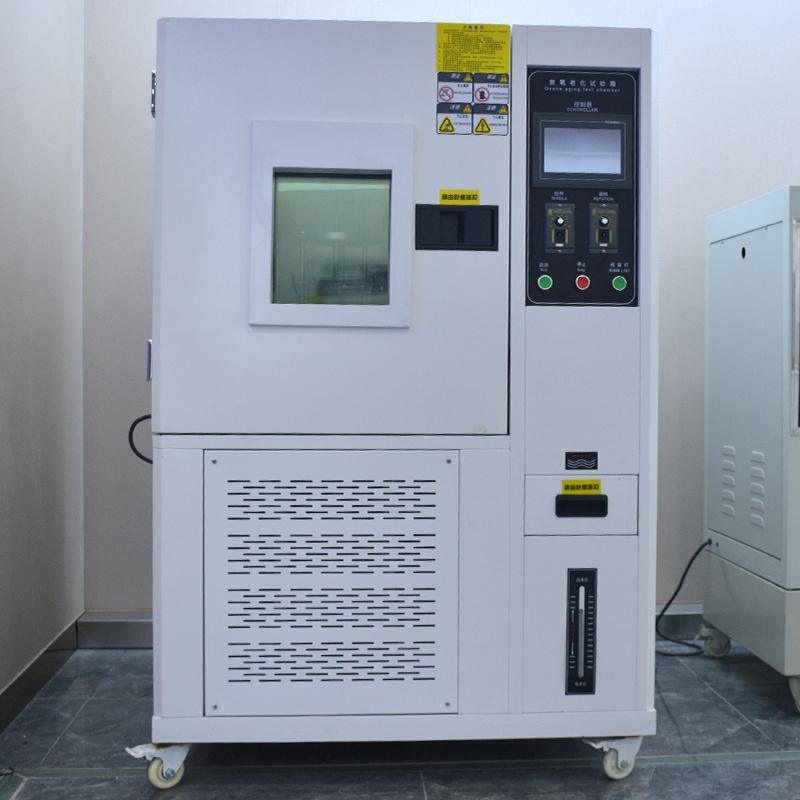
Aging testing of coil coatings can generally be performed in the following ways:
1. Artificial weathering:
Place the sample coated with coil coating in the artificial climate aging box to accelerate the aging process of coil coating by simulating different natural environmental factors, such as temperature, humidity, ultraviolet radiation, etc. Test the sample after a certain period of time, and compare the performance changes before and after aging, so as to evaluate the durability and service life of the coil coating.
2. Natural weather aging:
The sample coated with coil coating is placed in the outdoor natural environment, and after a certain period of exposure to the sun, wind and rain and other natural environmental factors, the aging test is carried out. The samples are then tested to compare performance changes before and after aging to evaluate the durability and service life of the coil coating.
3. Accelerated aging:
By increasing the temperature, humidity and other conditions, the aging process of the coil coating is accelerated, so as to quickly obtain the aging performance of the coating. Accelerated aging usually adopts high-temperature and high-humidity conditions, such as setting a high-temperature and high-humidity environment in an accelerated aging box, testing the samples after a certain period of time, and comparing the performance changes before and after aging, so as to evaluate the durability and service life of coil coatings.
Different aging test methods may have differences in the performance evaluation of coil coatings. Therefore, when performing aging tests, appropriate test methods should be selected and tested in strict accordance with relevant standards.
