Measurement methods
The stickiness of packaging adhesive tapes can be determined using the following methods:
Loop Adhesive Method: Apply the tape to a flat surface, then peel off the tape and stick to another flat surface. Repeat this process several times, measuring how long the tape remains on the new surface after each application. The better the stickiness, the longer the tape will stay on the new surface.
Viscosity method: Stick the adhesive tape on a flat surface, and then use a specific device to press a specific cylindrical head on the adhesive tape. Then pull the cylindrical head up quickly and measure the force and time required to pull up. The better the stickiness, the greater the force and time required to pull it up.
Adhesive-peeling force test method: stick the adhesive tape on a flat surface, then use specific equipment to separate it from another surface, and measure the time the adhesive tape remains on the original surface after separation. The better the stickiness, the longer the tape remains on the original surface after separation.
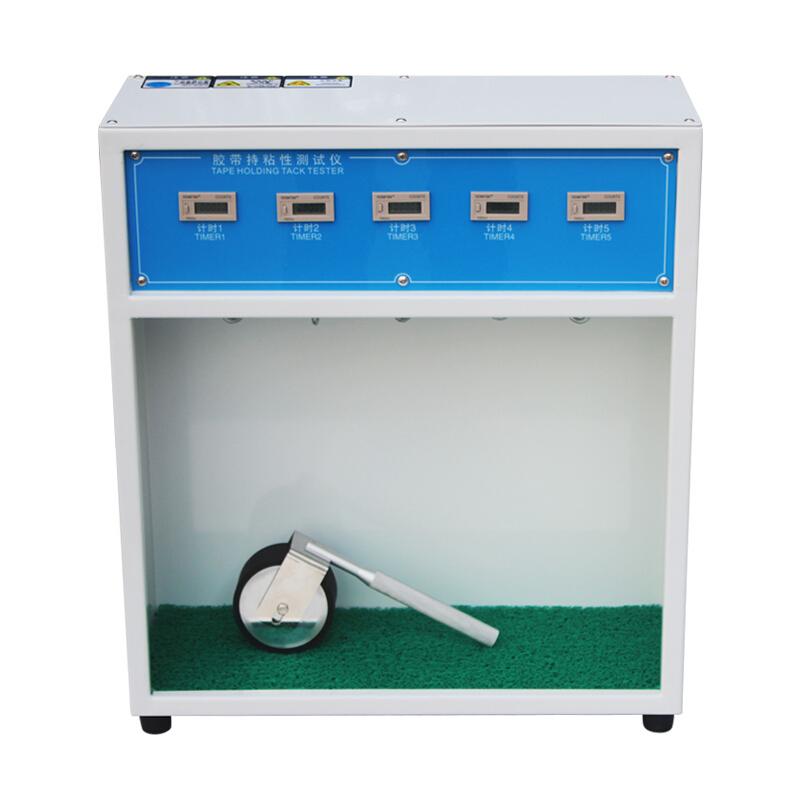
Steps
Here are the specific steps for each method:
Loop sticking method:
Apply the tape to a flat surface and flatten it with your fingers or a pressure roller to make sure the tape is snug.
Peel the adhesive tape off and stick immediately to another flat surface, flattening with your fingers or a pressure roller.
Repeat this process multiple times and record how long the tape remains on the new surface after each application.
The average value of the residence time was calculated as the persistent viscosity of the adhesive tape.
Viscosity method:
Apply the tape to a flat surface and flatten it with your fingers or a pressure roller to make sure the tape is snug.
Press a specific cylindrical head onto the adhesive tape and wait for a period of time for the adhesive tape to form a sufficient bond on the cylindrical head.
Pull up on the head of the cylinder quickly and measure the force and time required to pull up.
Calculate the average value of the required force and time as the stickiness of the adhesive tape.
Adhesion and peel force test method:
Apply the tape to a flat surface and flatten it with your fingers or a pressure roller to make sure the tape is snug.
Attach one surface of the test device to the other side of the tape and wait for a period of time for sufficient adhesion to develop.
Peel both surfaces quickly and record the time the tape remains on the original surface.
Repeat the test several times, and calculate the average dwell time as the stickiness of the adhesive tape.
In conclusion, different test methods can be used for different types of adhesive tapes, but an appropriate method needs to be selected to ensure the accuracy and repeatability of the test results. During the test, attention should be paid to the accuracy and consistency of the operation to ensure the accuracy and repeatability of the test results. It is necessary to pay attention to the accuracy and consistency of the operation when performing the test to ensure the accuracy and repeatability of the test results. At the same time, according to the type and application scenario of the specific adhesive tape, a suitable test method can be selected.