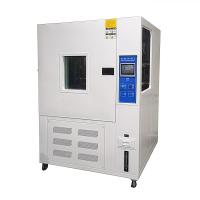
Constant temperature and humidity Test Chambers usually require regular calibration to ensure their stability and accuracy. Here are a few common calibration methods and their pros and cons:
Temperature Calibration: Use a standard thermometer or calibrator to compare the temperature inside the chamber to a standard temperature. This method is simple and easy, but requires the use of an accurate standard thermometer or calibrator to ensure the accuracy of the calibration.
Humidity Calibration: Use a standard hygrometer or calibrator to compare the humidity inside the chamber to a standard humidity. This method also requires the use of an accurate standard hygrometer or calibrator to ensure the accuracy of the calibration.
Zero point calibration: This method is suitable for electronic constant temperature and humidity Test Chambers. By adjusting the sensor signal to zero point, the accuracy of temperature and humidity readings in the Test Chamber can be ensured. This method is simple and easy, but requires the use of an accurate zero-point calibrator to ensure the accuracy of the calibration.
External calibration: place the Test Chamber in an environment of known temperature and humidity, and compare the readings inside the Test Chamber with the readings of the external environment. This method is relatively accurate, but requires the use of a stable external environment and may require a long calibration time.
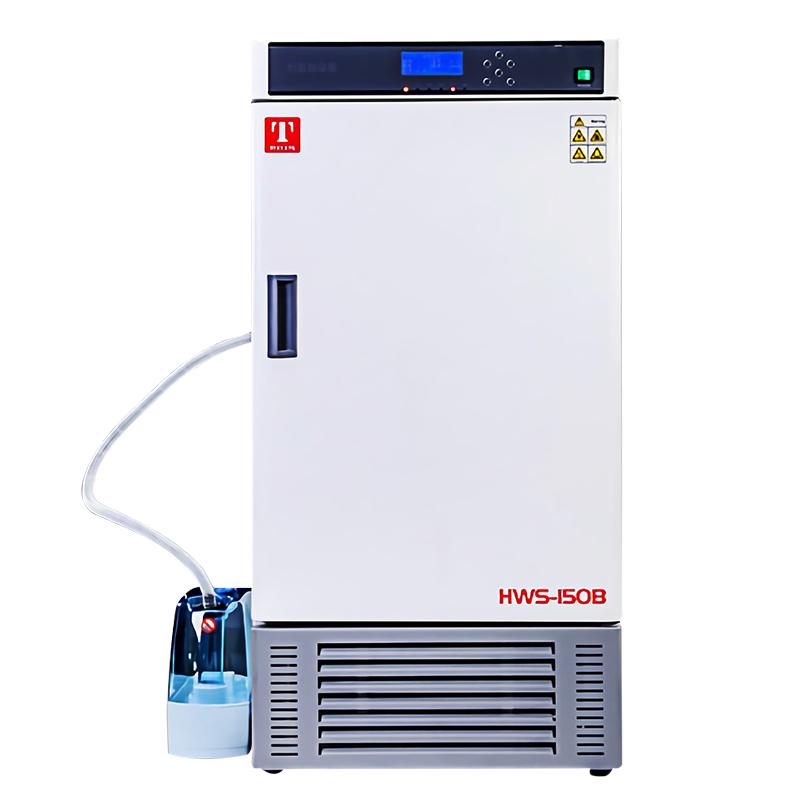
advantage
Regular calibration can ensure the accuracy and stability of the Test Chamber, thereby ensuring the reliability of test results.
Different calibration methods can be mutually verified to improve the reliability of calibration results.
shortcoming
Calibration takes time and resources, and requires expertise and experience.
Calibration results may be affected by the external environment, so calibration needs to be performed in a stable environment.
Calibration accuracy may be affected by the accuracy of the calibrators and equipment used.