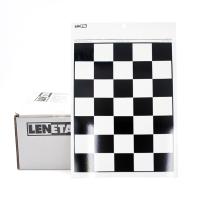
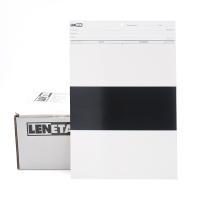
Covering power, also known as hiding power or opacity, refers to the ability of a coating or paint to conceal or cover the underlying surface completely, preventing the color or texture of the substrate from showing through. It is a measure of how effectively a coating or paint can "cover" the surface it is applied to, hiding any imperfections or colors underneath.
The covering power of a coating is influenced by several factors, including the type and composition of the coating, the color and texture of the substrate, the thickness of the coating, and the application method. A coating with high covering power will provide a solid, uniform, and opaque appearance, with minimal or no visible traces of the substrate or underlying colors.
Covering power is an important property in various applications where the goal is to achieve a uniform and consistent appearance, such as in paints for walls, automotive coatings, and other industrial coatings. Coatings with good covering power can help hide surface imperfections, provide an even color tone, and create a visually pleasing and professional finish.
The covering power of a coating is typically evaluated experimentally using standard test methods, which may involve measuring the reflectance or transmittance of light through the coating and substrate, or visually assessing the opacity and appearance of the coated surface. Different coatings and paints may have different covering power characteristics depending on their formulation, and it is often an important consideration when selecting coatings for specific applications.

There are several methods that can be used to test the covering power or opacity of coatings or paints. Here are some common approaches:
Visual assessment: One of the simplest methods is to visually assess the appearance of the coated surface. This can be done by applying the coating to a substrate of known color and texture, and comparing the coated area with the uncoated area. If the coating fully conceals the substrate color and texture, and provides a uniform, opaque appearance, it is considered to have good covering power.
Contrast ratio measurement: This method involves measuring the reflectance or transmittance of light through the coated surface and comparing it to that of the uncoated surface or a standard reference. A higher contrast ratio, which is the ratio of reflectance or transmittance of the coated surface to that of the uncoated surface, indicates higher covering power. This method can be performed using a Spectrophotometer or a Colorimeter, following standard test methods such as ASTM D2805 for contrast ratio measurement.
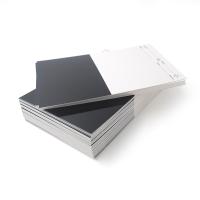
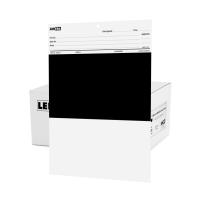
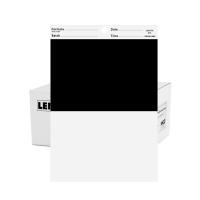
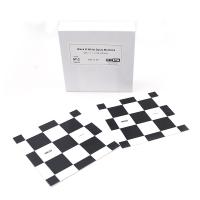
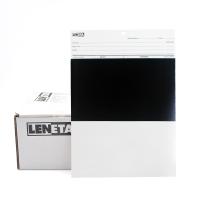
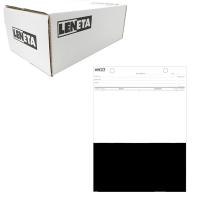
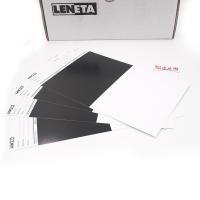
Hiding power measurement: This method measures the ability of a coating to conceal a black-and-white pattern or a series of lines of known width and spacing printed on a substrate. The coated substrate is compared to a set of reference standards with known hiding power, and the minimum thickness of the coating required to fully conceal the pattern or lines is determined. ASTM D344 or ISO 6504 are common standards for hiding power measurement.
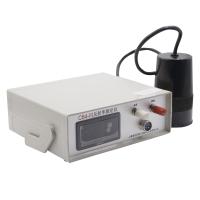
Scattering or opacimeter measurement: This method involves using specialized instruments, such as a scattering or opacimeter, to measure the scattering or diffusion of light by the coated surface. The amount of scattering or diffusion is related to the covering power of the coating, with higher scattering indicating higher covering power. This method is more sophisticated and typically used in research or quality control settings.
It's important to note that the specific test method chosen may depend on the type of coating, the intended application, and the standards or requirements of the industry or application. It's recommended to consult relevant standards, guidelines, or industry practices for appropriate testing procedures for the specific coatings or paints being evaluated.