overview
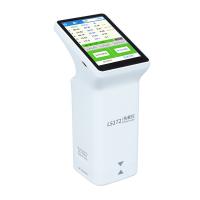
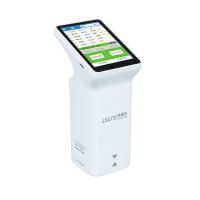
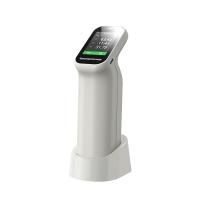
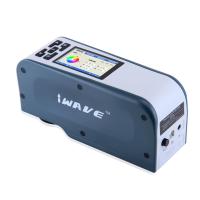
A tristimulus Colorimeter is a type of color measurement device used to quantitatively measure the color of an object or surface based on the three primary colors of light: red (R), green (G), and blue (B). It is a commonly used instrument in the field of colorimetry, which is the science of color measurement.
How it works
Tristimulus Colorimeters work by measuring the intensity of light reflected or transmitted by an object at specific wavelengths corresponding to the red, green, and blue color channels. The Colorimeter typically has three Detectors or sensors, each calibrated to respond to a specific wavelength of light associated with the red, green, and blue color channels. The intensity of light detected by each sensor is used to calculate the tristimulus values of the object, which represent the object's color in a standardized color space, such as the CIE (Commission Internationale de l'Eclairage) XYZ color space.

Application
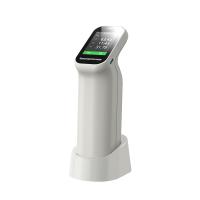
Tristimulus Colorimeters are widely used in various industries, including paint and coatings, textiles, plastics, printing, automotive, and food, among others. They are used for quality control, color matching, color formulation, and color consistency assessment in production processes. Tristimulus Colorimeters are typically handheld or benchtop devices with user-friendly interfaces, allowing for easy and quick color measurements.
Some of the key features of tristimulus Colorimeters include:
Light source: Tristimulus Colorimeters use a calibrated light source that emits light at specific wavelengths corresponding to the red, green, and blue color channels, typically using filtered white light.
Detectors or sensors: Tristimulus Colorimeters have three Detectors or sensors calibrated to respond to the specific wavelengths of light associated with the red, green, and blue color channels.
Color calculations: Tristimulus Colorimeters use mathematical algorithms to calculate the tristimulus values (X, Y, Z) of an object based on the intensity of light detected by the sensors.
Color spaces: Tristimulus Colorimeters typically provide color measurements in standardized color spaces, such as CIE XYZ, CIE LAB, or CIE LCH, which are widely used in the color industry for color communication and color matching purposes.
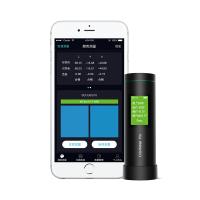
Display and data output: Tristimulus Colorimeters typically have a display to show color measurement results, and they may also have options for data output, such as USB, Bluetooth, or other connectivity options, for data analysis and documentation purposes.
Tristimulus Colorimeters are valuable tools for accurately and objectively measuring and quantifying color in a wide range of applications, allowing for precise color control and consistency in various industries.

Test steps
The testing steps for using a tristimulus Colorimeter typically involve the following:
Calibration: Calibrate the Colorimeter according to the manufacturer's instructions using a calibration standard or reference, which is a known color with well-defined tristimulus values. Calibration ensures that the Colorimeter is accurately measuring colors and provides reliable results.
Sample preparation: Prepare the sample to be measured by ensuring it is clean, dry, and free from any contaminants or reflections that may affect the color measurement. For certain applications, such as coatings or textiles, the sample may need to be prepared according to specific standards or protocols.
Measurement setup: Set up the Colorimeter according to the manufacturer's instructions, including selecting the appropriate color space or illuminant, and placing the Colorimeter in the correct measurement mode (reflectance or transmittance) depending on the sample being measured.
Measurement: Place the Colorimeter on the sample surface or hold it against the sample if using a handheld device, and trigger the measurement. The Colorimeter will emit light at specific wavelengths, measure the intensity of the reflected or transmitted light, and calculate the tristimulus values based on the detected light.
Data analysis: Once the measurement is completed, the tristimulus values (X, Y, Z) or other colorimetric parameters, such as Lab* or LCh*, will be displayed on the Colorimeter screen. These values represent the color of the sample based on the selected color space. The measured values can be compared to reference values or standards to assess color differences or color consistency.
Data recording and reporting: Record the measurement results, including the sample information, color space, illuminant, and other relevant details for documentation and reporting purposes. Some Colorimeters may also have options for data storage, data export, or data sharing for further analysis or communication.
Cleaning and maintenance: Clean the Colorimeter according to the manufacturer's instructions after each use to maintain its accuracy and performance. Store the Colorimeter in a safe and appropriate environment to protect it from damage.
It's important to follow the manufacturer's instructions and any relevant industry standards or protocols when using a tristimulus Colorimeter for color measurement to ensure accurate and reliable results.

Selection method
Choosing the right tristimulus Colorimeter for your specific needs typically involves considering several factors, such as:
Application: Consider the specific application for which you need the Colorimeter. Different industries and applications may have different requirements for color measurement. For example, color measurement in the automotive industry may require a Colorimeter with higher accuracy and repeatability, while color measurement in textiles may require a Colorimeter with specific illuminants and color spaces.
Measurement requirements: Consider the specific colorimetric parameters you need to measure. Tristimulus Colorimeters typically measure and provide values for parameters such as X, Y, Z, Lab*, LCh*, or other color spaces. Make sure the Colorimeter you choose can measure the parameters you need for your specific application.
Accuracy and repeatability: The accuracy and repeatability of a Colorimeter are important factors to consider, especially if you require precise color measurements. Look for Colorimeters with high accuracy and repeatability specifications, as these will ensure reliable and consistent results.
Illuminants and color spaces: Tristimulus Colorimeters use specific illuminants and color spaces for color measurement. Consider the illuminants and color spaces that are relevant to your application and make sure the Colorimeter you choose supports those options. Common illuminants used in color measurement include D65, D50, and A, while common color spaces include CIE XYZ, CIE Lab*, and CIE LCh*.
Instrument features: Consider the features and capabilities of the Colorimeter, such as the display size, measurement mode (reflectance or transmittance), measurement area size, data storage options, data export options, and connectivity to other devices or software. Choose a Colorimeter with features that are relevant and useful for your specific application.
Budget: Consider your budget when choosing a Colorimeter. Tristimulus Colorimeters come in a range of prices, and it's important to balance your measurement requirements with your budget to find a Colorimeter that meets your needs without exceeding your budget.
Brand reputation and support: Consider the reputation of the Colorimeter brand and the level of customer support they provide. Choose a reputable brand with good customer reviews and reliable customer support to ensure you have access to technical assistance and troubleshooting if needed.
Calibration and maintenance: Consider the calibration and maintenance requirements of the Colorimeter. Some Colorimeters may require regular calibration or maintenance to maintain accuracy and performance. Check the manufacturer's instructions and recommendations for calibration and maintenance, and consider the feasibility and cost of these requirements in your decision-making process.
By considering these factors and conducting thorough research, you can choose the right tristimulus Colorimeter that meets your specific measurement requirements, budget, and application needs. It's also recommended to consult with experts or seek professional advice if you have specific or complex measurement requirements.