Measurement purpose
Testing the thickness of pipeline coatings is an integral step in the quality control and performance evaluation of protective coatings applied to pipelines. Testing the thickness of pipeline coatings is essential to ensure that coatings meet required standards, provide adequate protection, and perform well in expected service. Effective execution under the conditions is very important. It helps ensure quality, durability and compliance in various industries that use coated pipe. Specifically:
Compliance with Standards and Codes: Many industries, such as oil and gas, water and wastewater, and transportation, have specific standards and codes for coating thickness that apply to pipelines. Testing coating thickness ensures that the coating complies with required standards and specifications, which are often established to ensure adequate corrosion protection, insulation or other performance characteristics of coated pipelines.
Performance and Durability: The thickness of a coating directly affects its performance and durability. If the coating is too thin, it may not provide adequate protection against corrosion, abrasion or other environmental factors, causing the pipe to fail prematurely. On the other hand, if the coating is too thick, it may incur unnecessary costs and may cause problems such as cracking or peeling. Testing coating thickness helps ensure that coatings are applied within specification for better performance and durability.
Quality Control: Testing coating thickness is a critical part of quality control during application. It helps to ensure that the coating is applied evenly and consistently across the entire pipe surface without any overcoated or undercoated areas. Consistent coating thickness is very important to achieve consistent performance and longevity of coated piping.
Cost Control: Coating thickness affects the cost of the coating process, as thicker coatings may require more materials and labor, resulting in increased costs. By accurately measuring coating thickness, it is possible to optimize the coating process and control costs by ensuring that the coating is applied to the desired thickness without unnecessary excess.
Regulatory Compliance: In many industries, there are regulatory requirements related to the thickness of coatings on pipes. Compliance with these regulations may be mandatory due to safety, environmental or other considerations. Testing coating thickness can help ensure that piping complies with regulatory requirements and avoid potential penalties or non-compliance issues.
Measurement methods
There are several ways to test the thickness of the coating applied to the pipe. Here are some common methods:
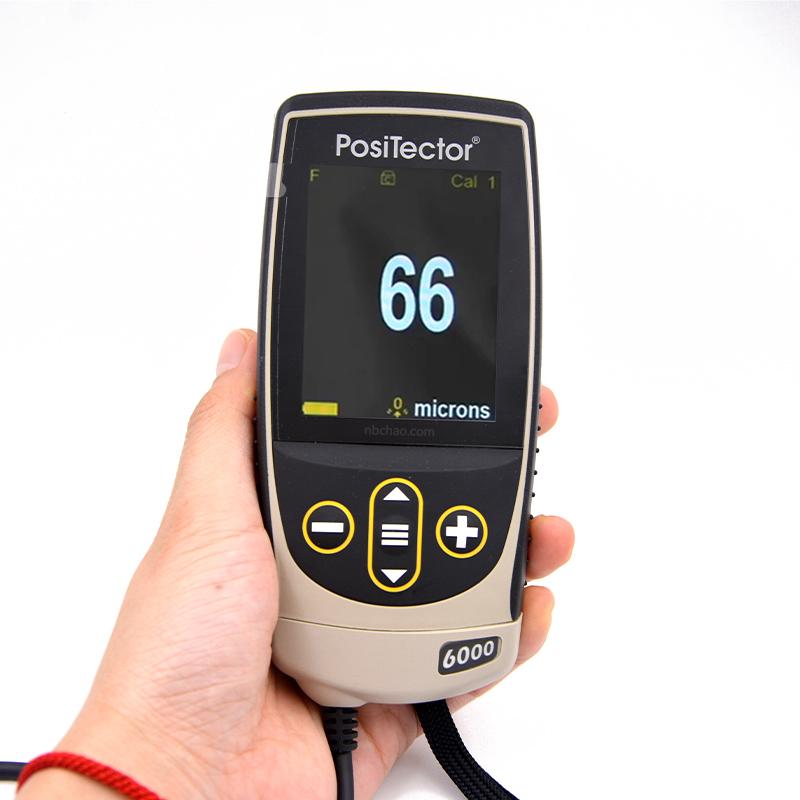
Dry Film Thickness (DFT) Gauge: This is a widely used method of measuring the thickness of dry coatings on pipes. A DFT gauge is a handheld device that uses magnetic or eddy current principles to measure the distance between the gauge and the pipe surface. This distance is related to the coating thickness and the gauge provides a digital or analog reading of the coating thickness.

Ultrasonic Thickness Inspection: This method uses ultrasonic waves to measure the thickness of the coating on the pipe. It involves sending ultrasonic waves through a coating and measuring the time it takes for the waves to return from the substrate. By knowing the speed of sound in the coating and the substrate, the thickness of the coating can be calculated.
Cross-Section Measurement: This method involves cutting a small section of the coated pipe and examining it under a microscope or using a specialized measuring tool to determine the thickness of the coating. This method provides highly accurate measurements but requires destructive testing, often for quality control or verification purposes.
X-ray Fluorescence (XRF): XRF is a non-destructive method for measuring the thickness of coatings on pipes using X-ray radiation. The X-rays excite the atoms in the coating, causing them to emit characteristic fluorescent X-rays. By measuring the strength, the thickness of the coating can be estimated.
Visual Comparison: This is a simple and subjective method of visually comparing the coated pipe to a set of reference standards of known coating thickness. This method is less accurate and not suitable for precise measurements, but it can provide a rough estimate of coating thickness.
Measurement steps
For easy understanding, NBCHAO takes the DFT coating Thickness Gauge as an example to explain the measurement steps:
Choosing the right DFT coating Thickness Gauge: There are different types of DFT coating Thickness Gauges to choose from, such as magnetic and eddy flow gauges, and each coating Thickness Gauge has its own working principle and is suitable for different types of coatings. layers and substrates. Select the appropriate gauge for the type of coating and substrate being tested and ensure it is properly calibrated prior to use.
Prepare the surface: Make sure the surface of the coated pipe is clean, dry and free of any debris, dust or contamination that could affect measurement accuracy. If necessary, clean the surface using an appropriate method such as wiping, brushing or blasting.
Place the gauge on the coating: Hold the coating Thickness Gauge perpendicular to the coated pipe surface and gently press the gauge probe against the coating until it makes firm contact. Gauge probes should be placed at representative locations on the coated surface, avoiding edges, corners or damaged areas.
Taking measurements: Activate the DFT coating Thickness Gauge according to the manufacturer's instructions and record the reading displayed on the gauge, which represents the thickness of the coating at the point of measurement.
Repeated Measurements: Multiple measurements are taken at different locations on the coated pipe surface to ensure representative and accurate results. Follow any recommended measurement line spacing or pattern according to the applicable standard or code.
Calculate Average Thickness: Once a sufficient number of measurements have been taken, calculate the average thickness of the coating by adding all measurements and dividing by the total number of measurements. This average provides a representative estimate of coating thickness.
Interpret Results: Compare the average coating thickness measurements to the specified requirements or standards for the specific coating and substrate being tested. Coatings are considered acceptable if the measured thickness meets the specified requirements. If the specification is exceeded, further action may be required, such as recoating or investigation of the underlying cause of the non-compliance.
It is important to follow the manufacturer's instructions for the specific DFT gage used, as different gauges may vary in operation and calibration procedures. Furthermore, compliance with applicable standards and codes, as well as proper training and qualification of personnel, are important to ensure accurate and reliable DFT measurements.