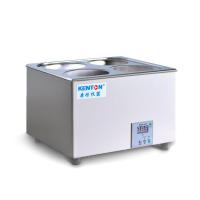
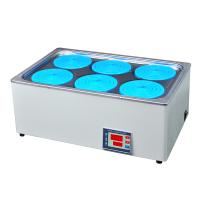
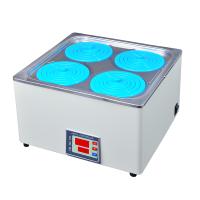
Oil baths and Water Baths are both types of temperature-controlled baths used in scientific and industrial settings for various purposes, but they differ in several key aspects, including their operating temperature range, heating medium, and applications.
Operating Temperature Range
One of the main differences between Oil Baths and Water Baths is their operating temperature range. Oil baths can typically achieve higher temperatures compared to Water Baths. Oil baths can typically operate in the range of room temperature up to around 250-300 degrees Celsius, depending on the type of oil used and the design of the bath. In contrast, Water Baths are generally limited to lower temperatures, typically ranging from room temperature up to around 100 degrees Celsius.

Heating Medium
Another key difference is the heating medium used in Oil Baths and Water Baths. As the names imply, Oil Baths use oil as the heating medium, whereas Water Baths use water. The type of oil used in Oil Baths is typically a high-temperature stable oil, such as silicone oil or mineral oil, which can withstand the higher operating temperatures without evaporating or degrading. Water baths, on the other hand, use water as the heating medium, which is heated using an external heat source, such as a heating element or a circulator.
Applications
Oil baths and Water Baths are used in different applications due to their differences in temperature range and heating medium. Oil baths are commonly used in applications that require higher temperatures, such as in chemistry experiments, oil extraction processes, and polymerization reactions that require elevated temperatures. Water baths, on the other hand, are used in applications that require lower to moderate temperatures, such as in biology and biochemistry experiments, enzyme reactions, and sample incubation.

Safety Considerations
Safety considerations are also important when working with Oil Baths and Water Baths. Oil baths can pose a higher risk of fire or thermal hazards due to the higher operating temperatures, and appropriate safety precautions, such as proper ventilation and careful handling, should be followed. Water baths, on the other hand, are generally considered safer due to the lower operating temperatures, although caution should still be exercised to avoid burns or scalds from hot water.
So, the main differences between Oil Baths and Water Baths are their operating temperature range, heating medium, applications, and safety considerations. Oil baths are capable of achieving higher temperatures and use oil as the heating medium, making them suitable for applications requiring higher temperatures. Water baths, on the other hand, are limited to lower temperatures and use water as the heating medium, making them suitable for applications requiring lower to moderate temperatures. Proper safety precautions should always be followed when working with any type of temperature-controlled bath.