The xenon arc aging test is a commonly used test for evaluating the durability and performance of automotive exterior coatings. Automotive exterior coatings are exposed to various environmental factors such as sunlight, heat, moisture and pollutants, which can cause degradation and aging over time. Xenon arc aging testing simulates these environmental conditions in a controlled laboratory environment using a xenon arc, which emits high-energy ultraviolet radiation, heat, and moisture. This accelerated aging test helps automakers and coating suppliers evaluate the weatherability of coatings and determine their durability and longevity.
Detection purpose
The xenon arc aging test allows the evaluation of the performance of coatings after prolonged exposure to UV radiation, heat and moisture, which are common environmental factors to which coatings on automotive exteriors are exposed. This test helps determine whether a coating can withstand the harsh environmental conditions it may encounter during its service life, such as prolonged sunlight exposure, high temperatures and humidity.
Xenon arc aging testing helps evaluate the durability of automotive exterior coatings by simulating years of exposure to environmental conditions over a period of weeks or months. This accelerated aging test enables manufacturers to predict the long-term performance and life of coatings, helping them make informed decisions when selecting coatings for automotive exteriors.
Xenon arc aging testing is used as a quality control measure to ensure that coatings used on automotive exteriors meet the required standards and specifications. By subjecting the coating to accelerated aging, manufacturers can identify any potential weaknesses or failures in the coating's performance and make necessary improvements before application to the car's outer shell.
Automotive exterior coatings may need to comply with various industry standards, regulations and customer specifications, and xenon arc aging testing is often required to demonstrate compliance with these requirements, ensuring that coatings meet expected performance and durability standards.
Instructions
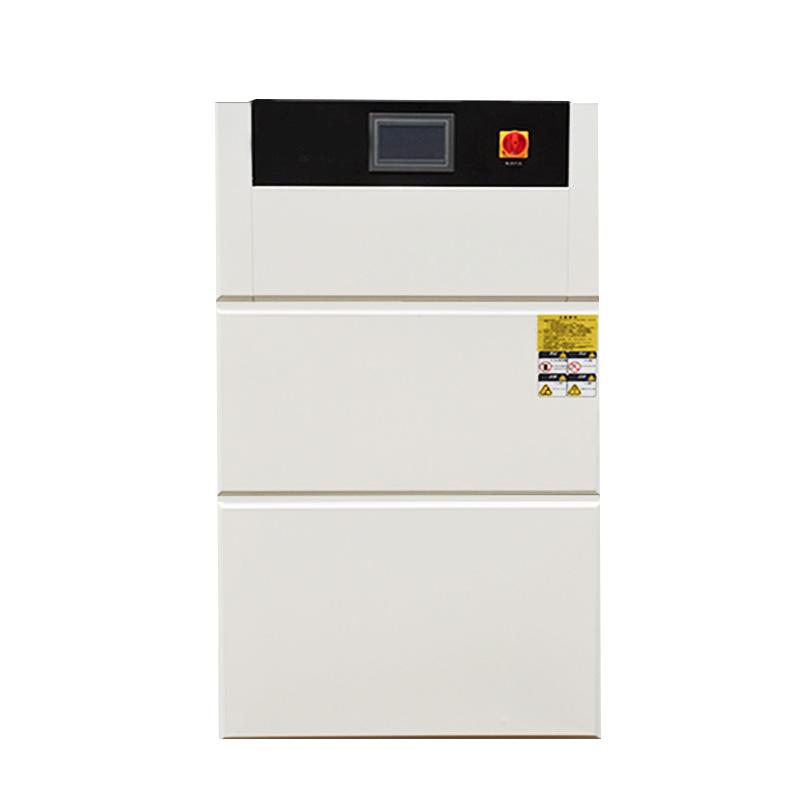
Xenon arc aging testing of automotive exterior coatings is typically performed in a controlled laboratory environment using specialized equipment. The following are the general steps involved in performing a xenon arc aging test:
Sample Preparation: Prepare representative samples of automotive exterior coatings according to the required test specifications. Samples should be properly cleaned and applied to a suitable substrate simulating actual application conditions.
Xenon Arc Exposure: Coated samples were placed in a xenon arc weathering chamber to simulate exposure to UV radiation, heat, and moisture. Samples are typically exposed to controlled cycles of UV radiation, heat and humidity, which can be adjusted to replicate specific environmental conditions.
Test parameters: Set test parameters such as irradiance (ultraviolet radiation intensity), temperature and humidity according to the required test conditions and relevant standards or specifications.
Exposure Duration: Run the xenon arc aging test for the specified duration, which may vary depending on the test requirements, but typically ranges from hundreds to thousands of hours. Exposure durations are sped up to simulate the long-term effects of weathering in a shorter period of time compared to the real environment.
Monitoring and Measurement: Monitor samples for changes in properties such as color, gloss, adhesion, hardness, and other relevant properties during testing. Changes are measured and recorded on a regular basis to assess the performance and durability of the coating.
Evaluation and Analysis: After the required test duration, the test results are carefully evaluated and analyzed to determine the coating's performance. The performance of the aged samples was compared to an unexposed control sample to assess the effect of xenon arc aging on the coating properties.
Report: Prepare a detailed report summarizing the test procedure, parameters, results and conclusions. The report can be used for quality control, regulatory compliance, and decision-making in automotive exterior coating selection and application.
Beichao reminds you: the specific test procedures and parameters may vary according to industry or application standards, specifications and requirements. It is recommended to consult relevant standards and follow established protocols for xenon arc aging testing of automotive exterior coatings to ensure accurate and reliable results.
