Bulb cables, also known as lamp cords or light cords, may require aging testing to ensure their durability and safety over long-term use. Bulb cables are exposed to various environmental factors such as heat, moisture, UV radiation and mechanical stress, which can degrade their performance over time. Aging tests are performed to evaluate the ability of light bulb cables to withstand these environmental conditions and maintain their electrical and mechanical properties over an extended period of time.
Detection purpose
Some of the key reasons why light bulb cables may require aging testing are:
Safety: The bulb cable is the part of the lighting fixture that transmits the power to the bulb. Aging of cables can lead to degradation of their insulation, conductor integrity or mechanical strength, which increases the risk of electrical hazards such as short circuits, sparks, and even fire. Aging tests help ensure that bulb cables maintain their safety and performance characteristics over their expected lifetime.
Durability: Bulb cables are often used continuously in lighting fixtures and their performance may deteriorate over time due to environmental factors such as heat, humidity and UV radiation. Aging tests help evaluate the long-term durability and performance of light bulb cables, including their ability to resist degradation from environmental exposure and maintain their mechanical and electrical properties.
Standards Compliant: Bulb cables are subject to various industry standards and regulations, such as UL (Underwriters Laboratories), CSA (Canadian Standards Association), and IEC (International Electrotechnical Commission) standards, which set out performance requirements for cables. Aging tests are often required to ensure bulb cables meet these standards, which is important for certification, approval or regulatory compliance.
Reliability: Bulb cables are critical to the proper functioning of a lighting fixture, and their failure can result in reduced performance or complete failure of the lighting system. Aging tests help evaluate the reliability of bulb cables and their ability to maintain their electrical and mechanical properties over time, ensuring continued reliable operation of lighting systems.
Quality Assurance: Aging tests are often used as part of a quality assurance program to ensure bulb cables meet expected performance and durability requirements. Aging testing helps identify any potential issues or weaknesses in the cable and facilitates corrective actions such as product improvements, design changes or material replacements to ensure consistent product quality.
The specific method or procedure for testing the aging resistance of light bulb cables may vary depending on the type of cable, the applicable standard or regulation, and the specific requirements of the test procedure. When performing aging tests on light bulb cables, it is important to follow the manufacturer's instructions, industry standards and relevant regulations to obtain accurate and reliable results.
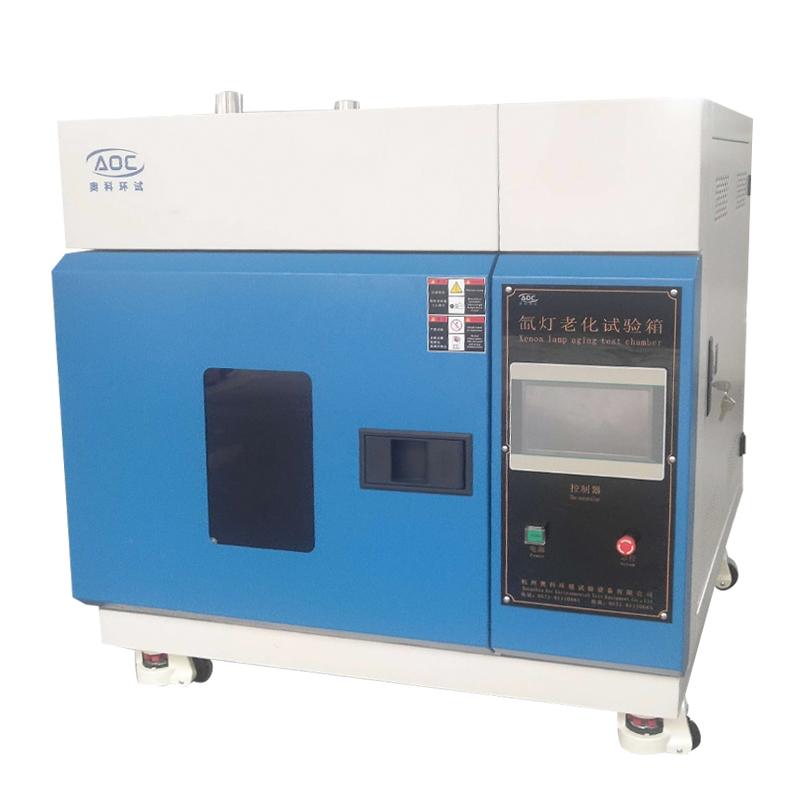
Detection method
Specific test methods for evaluating the aging resistance of light bulb cables may vary depending on the specific requirements of the test procedure, the type of cable, and applicable industry standards or regulations. However, here are some general steps to follow for aging testing of light bulb cables:
Sample preparation: Prepare a representative sample of the bulb cable to be tested. The sample should be selected according to the relevant criteria, such as cable type, manufacturing batch or production date, to ensure that the test results are suitable for the intended use of the cable.
Test Setup: Depending on the specific test method being followed, set up the weathering test equipment or setup, which may include a Test Chamber, environmental chamber, or xenon arc weathering test equipment. Set up test equipment according to the manufacturer's instructions or relevant industry standards to ensure accurate and reliable test results.
Test Conditions: Define the test conditions such as temperature, humidity, UV radiation or exposure duration according to the specific requirements of the test procedure or relevant industry standards. The test conditions shall simulate the expected environmental exposure that the bulb cable may experience during its intended use.
Test execution: place the prepared bulb cable sample in the test equipment or device, and start the aging resistance test according to the defined test conditions. Monitor and record test parameters such as temperature, humidity, UV radiation intensity or duration of exposure throughout the test period.
Test Evaluation: After the test period has elapsed, samples are removed from the test equipment or instrument and their physical, electrical and mechanical properties are carefully evaluated. This may involve visual inspection, physical dimension measurements, conductivity or resistance testing, mechanical strength testing or other relevant testing, depending on the specific requirements of the testing procedure or industry standards.
Test Analysis: Analyze test results and compare them to predetermined acceptance criteria or performance requirements. Evaluates the performance of the bulb cable based on the test results and draws any necessary conclusions or recommendations.
Test Report: Prepare a comprehensive test report including details of test setup, test conditions, test results, analysis and conclusions. Test reports should be recorded and kept for reference and archival purposes.
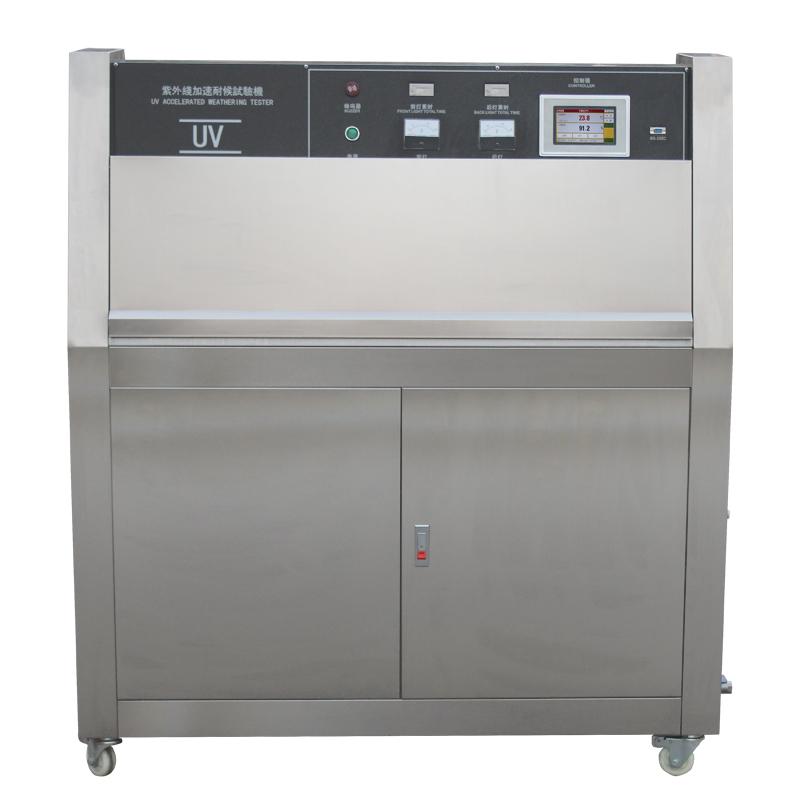
When performing aging tests on light bulb cables, it is important to follow the manufacturer's instructions, relevant industry standards and any applicable regulations to ensure accurate and reliable results. Consultation with an industry expert or a qualified professional can provide further guidance and assistance in designing and implementing an effective bulb cable aging test program.



