Printed packaging materials such as paperboard, corrugated board, plastic film or laminates may require aging testing to evaluate their durability and performance under realistic aging conditions. Aging tests are often used to simulate the effects of long-term exposure to various environmental factors such as temperature, humidity, ultraviolet radiation or other relevant factors that a package may encounter during its intended use.
Detection purpose
There are several reasons why printed packaging materials may require burn-in testing:
Product Life: Printed packaging materials are often used to protect and preserve products during storage, shipping and handling. Therefore, it is important to ensure that packaging materials retain their performance and durability over extended periods of time without significant degradation or deterioration. Weathering testing can help determine how well packaging materials withstand the effects of aging and whether they are suitable for long-term use.
Regulatory compliance: Many industries, such as food and beverage, pharmaceuticals, cosmetics, and electronics, are subject to stringent regulations and standards related to packaging materials, and burn-in testing may be required to comply with these regulations, which may regulate packaging materials Expected performance under a wide range of environmental conditions, compliance with these regulations is important to ensure the safety, quality and integrity of packaged products.
Quality Control: Printed packaging materials should meet certain quality standards to ensure they effectively perform their intended function. Aging testing can be used as part of quality control measures to assess the performance and durability of packaging materials and to identify any potential problems or defects that may arise due to aging. This helps prevent product failures, customer complaints and costly recalls.
Material selection: Aging testing can also be used to compare the performance of different printed packaging materials and assist in selecting the right material for a particular application. By subjecting different materials to aging conditions and evaluating their performance, it is possible to determine which materials are suitable for the intended use and expected environmental exposure, and to make informed decisions about material selection.
Research and development: Aging testing can be used for the research and development of new printing and packaging materials or formulations, which helps to evaluate the performance of new materials or formulations under accelerated aging conditions, and provides valuable data for product improvement, optimization and innovation.
Specific methods and procedures for aging testing of printed packaging materials may vary depending on material type, industry needs and testing standards, it is important to consult relevant industry standards, regulations and guidelines and work with qualified professionals or testing laboratories to Ensure accurate and reliable results.
Detection method
There are several common test methods that can be used to evaluate the aging resistance of printed packaging materials, some of the commonly used methods include:
Accelerated Weathering Test: This method involves subjecting packaging materials to accelerated aging conditions such as high temperature, high humidity and exposure to ultraviolet radiation for a specified period of time. This helps simulate the effects of long-term aging in a shorter time, allowing for faster evaluation of packaging material performance. Accelerated aging test methods may vary depending on the specific material being tested and may involve the use of an environmental chamber or exposure to specific aging factors.
Xenon Arc Weathering Test: This test method involves exposing packaging materials to controlled levels of UV radiation, heat and moisture using a xenon arc lamp. This simulates the effects of sunlight exposure and helps assess a material's resistance to UV radiation, fading, brittleness and other aging-related changes.
Heat Aging Testing: This method involves exposing packaging materials to high temperatures for a specified period of time, which helps to assess the material's resistance to heat-induced aging such as fading, embrittlement, or changes in physical properties.
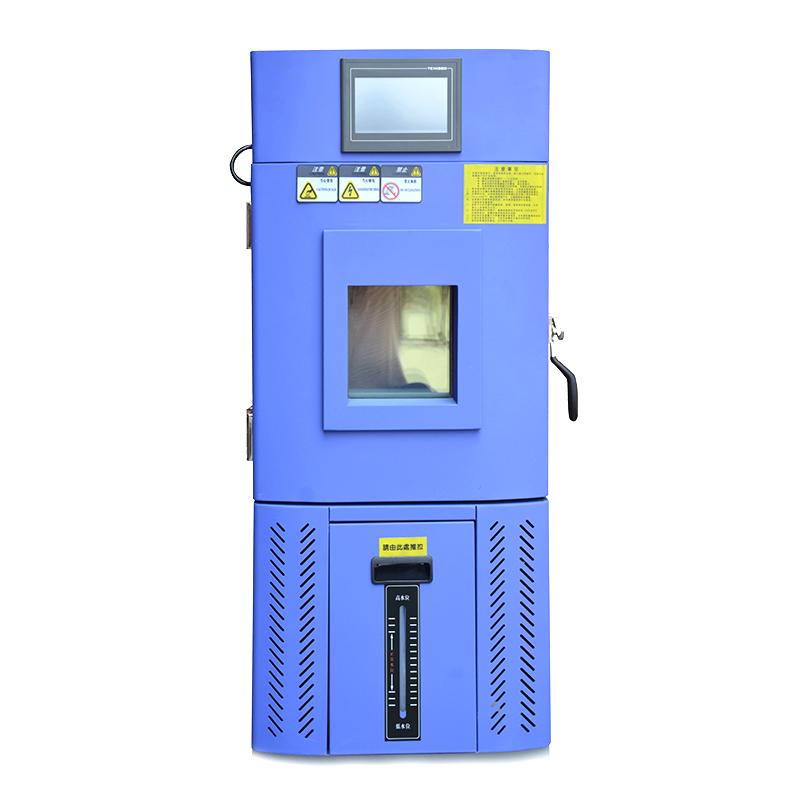
Humidity Aging Test: This method involves exposing packaging materials to high humidity conditions for a specified period of time, which helps to assess the resistance of the material to humidity-related aging, such as mold growth, warping, or changes in physical properties.
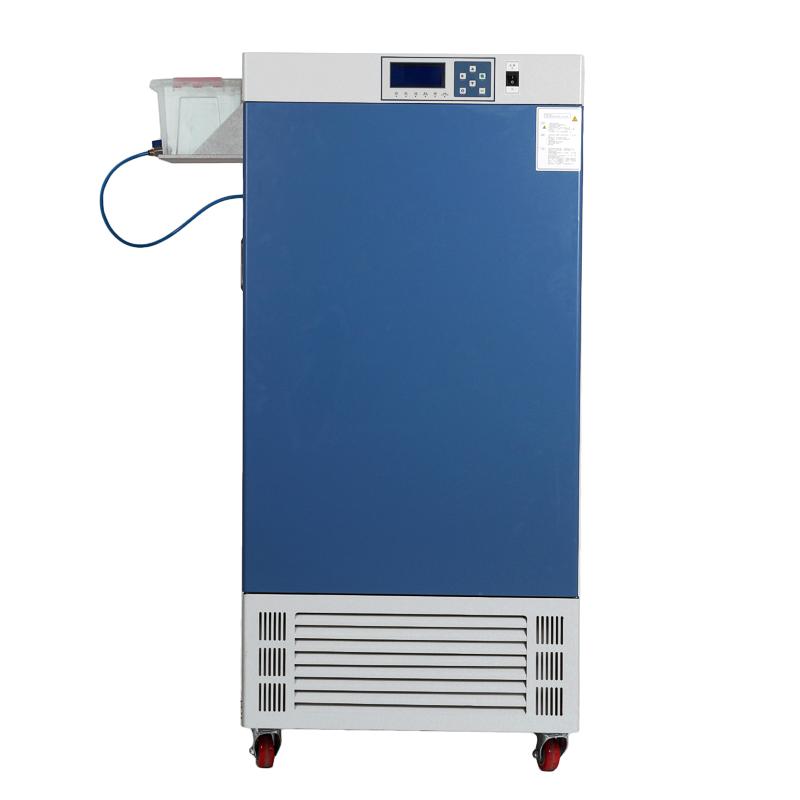
Outdoor Exposure Testing: This method involves placing packaging materials in an outdoor environment for extended periods of time, where they are exposed to natural weathering conditions, including sunlight, rain, temperature changes, and other environmental factors. This provides real-world exposure and aging conditions and helps evaluate how materials will perform in actual outdoor environments.
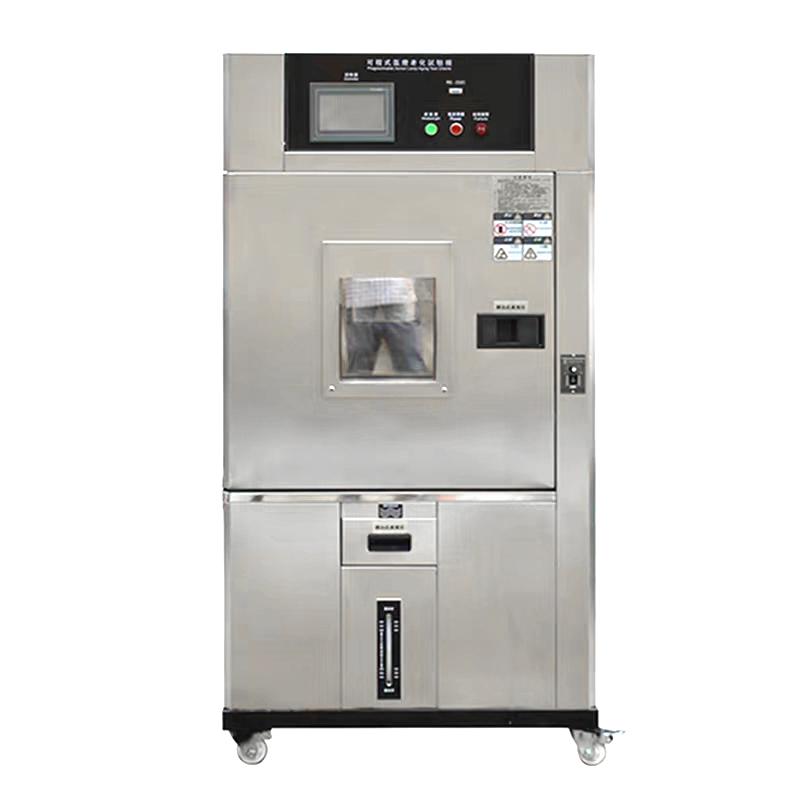
Chemical Resistance Testing: This method involves exposing the packaging material to various chemicals or substances, such as acids, bases, solvents, or other chemicals, that the material may come into contact with during its intended use. This helps to assess a material's resistance to chemical aging such as discoloration, embrittlement or changes in physical properties.
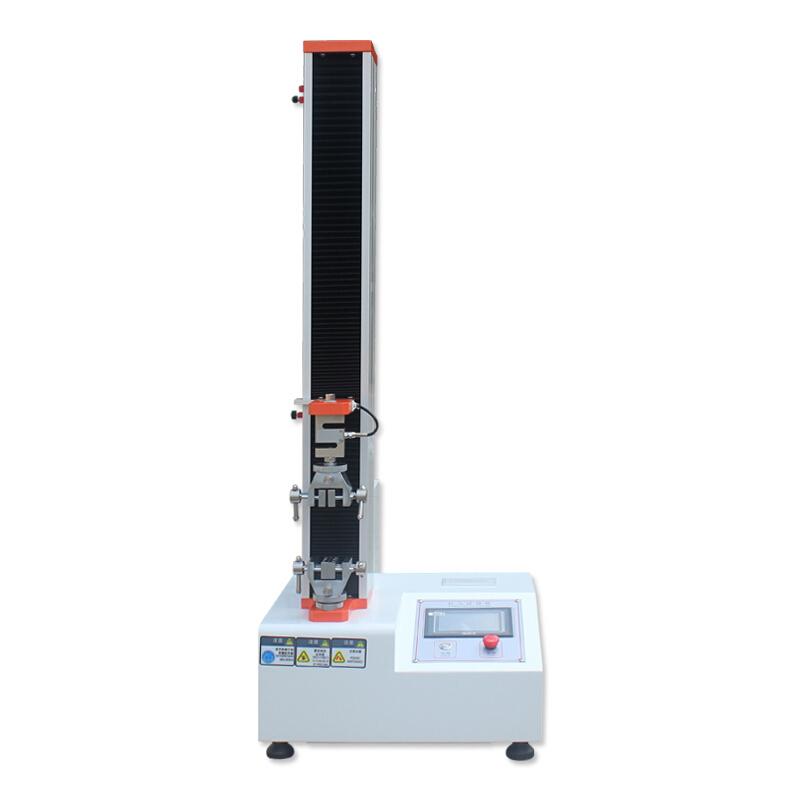
Physical performance test: In addition to accelerated aging test, various physical performance tests can be carried out on packaging materials, such as tensile strength, tear resistance, flexural strength, impact resistance and other related properties. These tests can help evaluate the mechanical and physical properties of materials after exposure to aging conditions.
specific operation
Specific procedures for testing the aging resistance of printed packaging materials may vary depending on the test method chosen and the type of packaging material being tested. However, the following is a general overview of the steps involved in accelerated aging testing using xenon arc aging testing as an example:
Preparation: Prepare the packaging material to be tested according to relevant standards or guidelines. This may involve cutting the material to the appropriate sample size, cleaning or pre-treating the material, and ensuring the sample represents the actual packaging material used in the intended application.
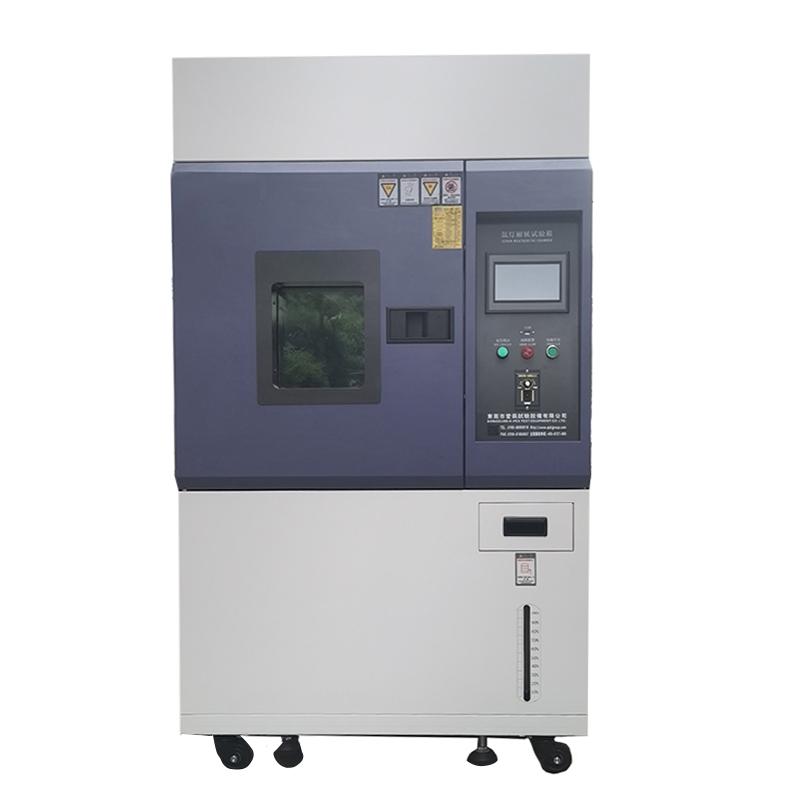
Xenon arc aging chamber setup: Set up the xenon arc aging chamber according to the manufacturer's instructions or relevant test standards. This may involve calibrating the chamber, setting the required test parameters such as temperature, humidity, and UV radiation intensity, and ensuring the chamber is in proper working order.
Sample Exposure: The prepared sample is placed in a xenon arc aging chamber and an aging cycle is initiated according to the specified test parameters, where the sample is exposed to controlled levels of UV radiation, heat and humidity for a specified duration, usually based on the packaging The expected useful life of the material.
Monitoring: Test parameters such as temperature, humidity, and UV radiation intensity are regularly monitored throughout the test period to ensure desired conditions are maintained. Record the test conditions and any observations or changes in the sample during aging.
Test Completion: Once the specified duration of aging is complete, remove the sample from the xenon arc aging chamber and carefully evaluate the sample for any changes in physical properties, appearance, color, or other relevant parameters. Conduct relevant physical performance tests as required, such as tensile strength, tear resistance, flexural strength, impact resistance, etc.
Data analysis: analyze the test results, compare with the pre-test performance or relevant standards, and draw conclusions about the aging resistance of packaging materials. Record and report test results, including any observations, changes, or deviations from expected performance.
Interpretation of Results: Interpret the test results according to the intended application and requirements of the packaging material. Evaluate whether the test material meets the expected aging resistance performance and determine whether any modification or improvement is required in the material or design.
When performing any weathering tests on printed packaging materials, it is important to follow relevant industry standards, guidelines and manufacturer's instructions. It is also recommended to work with a qualified professional or testing laboratory to ensure accurate and reliable results.



