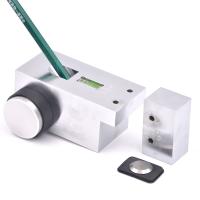
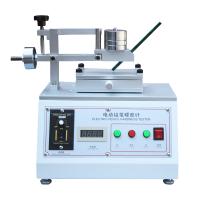
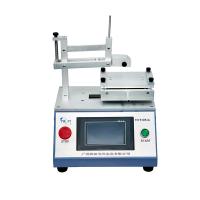
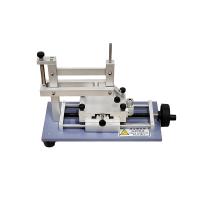
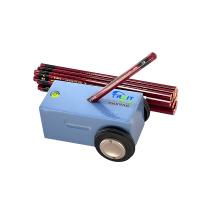
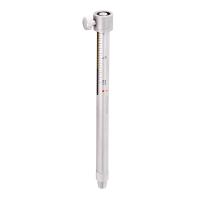
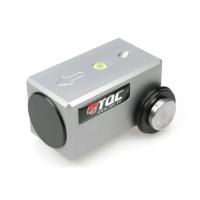
ASTM D3363 is a widely used test method that provides a standardized procedure for measuring the hardness of coating films using the pencil hardness test. This test is commonly used in the coatings industry to evaluate the hardness and scratch resistance of coatings applied to various surfaces.
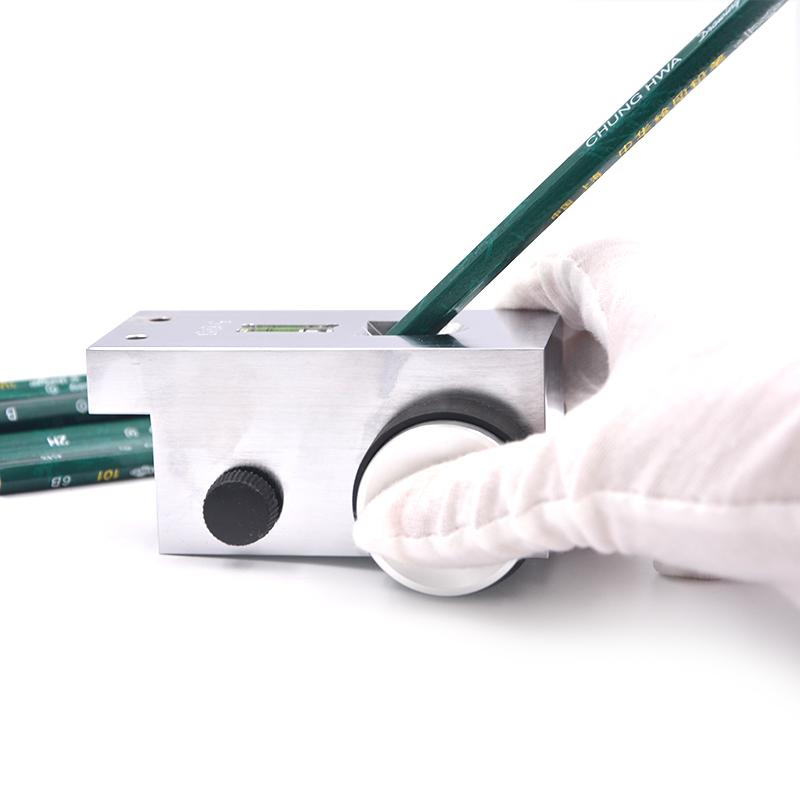
The test involves using a set of pencils of varying hardness, ranging from 6B (softest) to 9H (hardest), to determine the hardness of the coating film. The pencil is sharpened to the point of the chisel and pressed against the coated surface at a 45 degree angle with a fixed force.
The hardness of the coating is determined by the hardest pencil that will not scratch or gouge the surface of the coating. Pencil hardness is reported using the hardness grading system specified in the standard, which ranges from 6B (softest) to 9H (hardest).
ASTM D3363 provides guidance for the preparation of substrates, application and drying of coatings, and procedures for conducting pencil hardness tests. The standard also includes guidance for selecting the appropriate pencil set based on the expected hardness of the coating.
Pencil hardness testing is a quick and easy way to assess the hardness and scratch resistance of coatings and is often used in quality control and product development. But North and South Tide warns you: This test is not a comprehensive evaluation of all aspects of coating performance and may not be applicable to all types of coatings and substrates.
In conclusion, ASTM D3363 provides a standardized procedure for conducting pencil hardness testing and can be an invaluable tool in evaluating the hardness and scratch resistance of coatings. By following the procedures outlined in the standard, users can obtain reliable and repeatable results that can be used to inform important decisions related to coating selection and quality control.