Application purpose
Lithium coin batteries need to be tested for high-low temperature resistance, as extreme temperatures can seriously affect their performance and safety. High temperatures can cause batteries to degrade faster, resulting in reduced capacity and shorter life. They also increase the risk of thermal runaway, a dangerous condition that can cause batteries to overheat, catch fire or explode.
On the other hand, low temperatures can also reduce the capacity of the battery and reduce the efficiency of the battery, thereby affecting the performance of the battery. In extreme cold conditions, the internal resistance of the battery may increase, making it more difficult for the battery to supply power to the device. This can lead to decreased performance and even equipment failure.
High-low temperature tests involve placing a battery at a range of temperatures, typically between -20 ℃ and 60 ℃, and measuring its performance and safety under these conditions. These tests can help determine a battery's performance and safety at extreme temperatures. They can also help manufacturers design batteries that are more suitable for use in specific temperature ranges.
Detection step
High-low temperature resistance testing for lithium button batteries typically involves placing the battery at a range of temperatures and monitoring its performance and safety under these conditions. The following are the general steps for testing:
Select the appropriate temperature range: The temperature range should be selected based on the expected usage of the battery. For example, if the battery is used in equipment that will be used at low temperatures, it may need to be tested at temperatures as low as -20 ℃~ -60 ℃. Conversely, if the battery is used in equipment that will be used in high temperature environments, it may need to be tested at temperatures as high as 60 ℃.
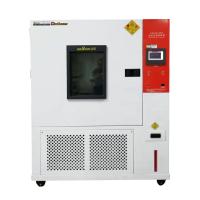
Place the battery in a temperature-controlled chamber: The battery should be placed in a temperature-controlled chamber that maintains the desired temperature range. The chamber should be large enough to accommodate the battery and any monitoring equipment. A battery voltage regulation system needs to be connected to one side of the battery.

Monitoring battery performance: Battery performance should be monitored during testing to determine its performance under extreme temperature conditions. This may involve measuring its capacity, discharge characteristics and other relevant parameters.
Assess the safety of the battery: The safety of the battery should also be assessed during testing to determine if it is at risk of thermal runaway or other hazardous conditions. This may involve monitoring the battery's temperature and other parameters to ensure it remains within safe limits.
Compare results to performance and safety standards: Test results should be compared to industry standards such as IEC 60086 or ANSI C18.1M to determine whether the battery meets the required performance and safety specifications under the specified temperature conditions.
All in all, high-low temperature resistance testing of lithium button batteries requires specialized equipment and expertise to ensure that the tests are performed safely and accurately. Manufacturers typically conduct these tests using specialized testing facilities or in partnership with third-party testing agencies.
Precautions
When testing the high-low temperature performance of coin cells, there are several important factors to be aware of in order to obtain accurate and reliable results. Here are some key considerations:
Temperature Range: Testing should be carried out within the specified battery temperature range. Lithium button batteries typically operate in the range of -20 ℃ to 60 ℃, but this may vary by specific type and manufacturer.
Temperature stability: The temperature in the Test Chamber should be stable and consistent throughout the test process. Any fluctuations or temperature deviations may affect the test results.
Test Duration: The length of the test should be sufficient to accurately assess the performance of the battery under specified temperature conditions. Typically, testing high-low temperature performance will involve exposing the battery to extreme temperatures for a period of time (eg, several hours) and then evaluating its performance.
Battery pretreatment: The battery should be pretreated (i.e. charged and discharged) prior to testing to ensure it is in a consistent and stable state.
Safety Precautions: Special care should be taken when handling lithium button batteries, especially when they are exposed to extreme temperatures. Wear appropriate personal protective equipment (PPE) and ensure the laboratory has proper ventilation and safety features to prevent thermal runaway or other hazardous situations.
Test Equipment Calibration: All test equipment should be calibrated and verified before use to ensure accurate and reliable test results.
By paying attention to these factors, you can help ensure that high-low temperature performance testing of coin batteries is accurate, reliable, and safe.