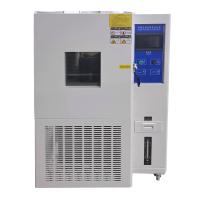
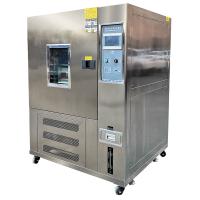
Humidity chambers are widely used in the building materials industry to test the moisture resistance, durability, and performance of various construction materials, such as concrete, cement, plaster, and paint. In particular, Humidity Chambers are used to test the resistance of these materials to high levels of humidity, which can cause them to degrade and lose their strength and durability over time.
One important application of Humidity Chambers in the building materials industry is to test the moisture resistance of concrete and cement. High humidity levels can cause concrete and cement to absorb moisture, which can weaken their structure and lead to cracks and other forms of damage. By subjecting concrete and cement samples to different humidity levels, manufacturers can evaluate their moisture resistance and develop more durable and reliable products that can withstand high levels of humidity.
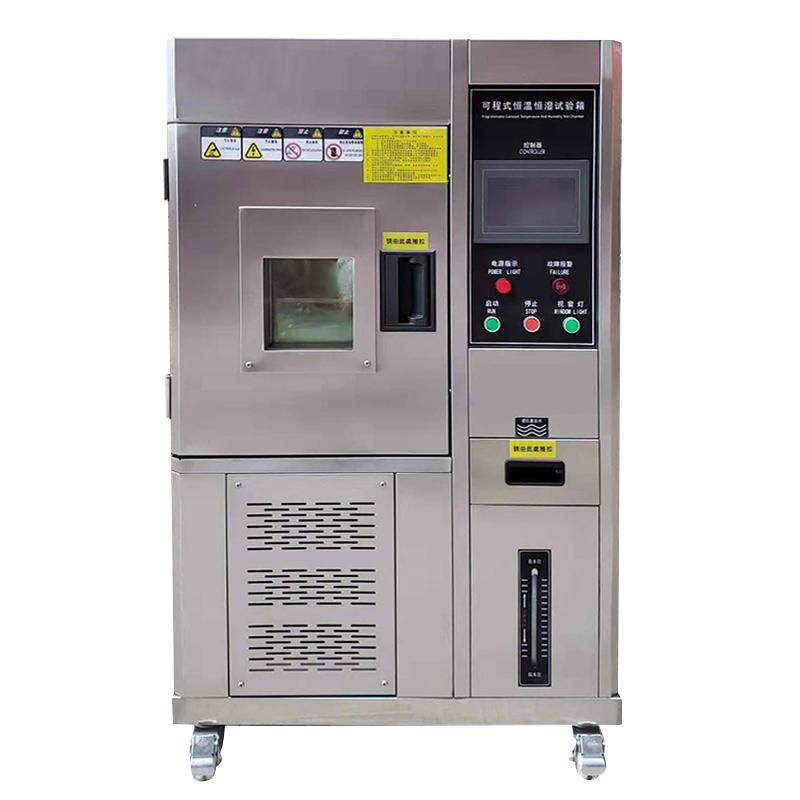
In addition, Humidity Chambers are used to test the performance of plaster and paint in high-humidity environments. High humidity levels can cause these materials to lose their adhesion and crack over time, which can compromise the aesthetic appearance and durability of the building. By subjecting plaster and paint samples to different humidity levels, manufacturers can evaluate their performance under various conditions and develop more effective and reliable products that can withstand high levels of humidity.
Overall, Humidity Chambers play a crucial role in the building materials industry by providing a controlled environment to test the moisture resistance and durability of various construction materials under different humidity levels. By developing more reliable and durable materials, manufacturers can improve the safety, quality, and longevity of buildings and other structures.
Humidity chambers are also used in the building materials industry to test the performance of insulation materials, such as foam and fiberglass, in high-humidity environments. High humidity levels can cause these materials to absorb moisture, which can compromise their insulation properties and lead to energy loss and other issues. By subjecting insulation materials to different humidity levels, manufacturers can evaluate their performance under various conditions and develop more effective and reliable products that can withstand high levels of humidity.
Another important application of Humidity Chambers in the building materials industry is to test the durability and performance of sealants and adhesives used in construction. High humidity levels can cause these materials to degrade, which can compromise their ability to create a strong bond and seal against moisture and air infiltration. By subjecting sealants and adhesives to different humidity levels, manufacturers can evaluate their performance under various conditions and develop more effective and reliable products that can withstand high levels of humidity.
Overall, Humidity Chambers are an essential tool for the building materials industry to test the durability and performance of different materials and products under different humidity levels. By simulating the effects of high humidity in a controlled environment, manufacturers can develop more reliable and durable products that can withstand the harsh environmental conditions faced by buildings and other structures.