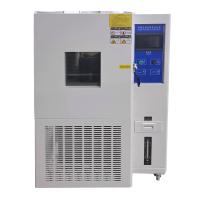
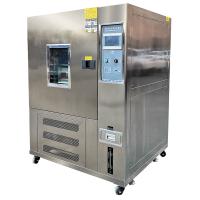
The photovoltaic industry uses Humidity Chambers to test the performance and durability of photovoltaic (PV) modules, which are the building blocks of solar panels. PV modules are exposed to different environmental conditions, including humidity, temperature changes, and UV radiation, which can affect their efficiency and lifespan.
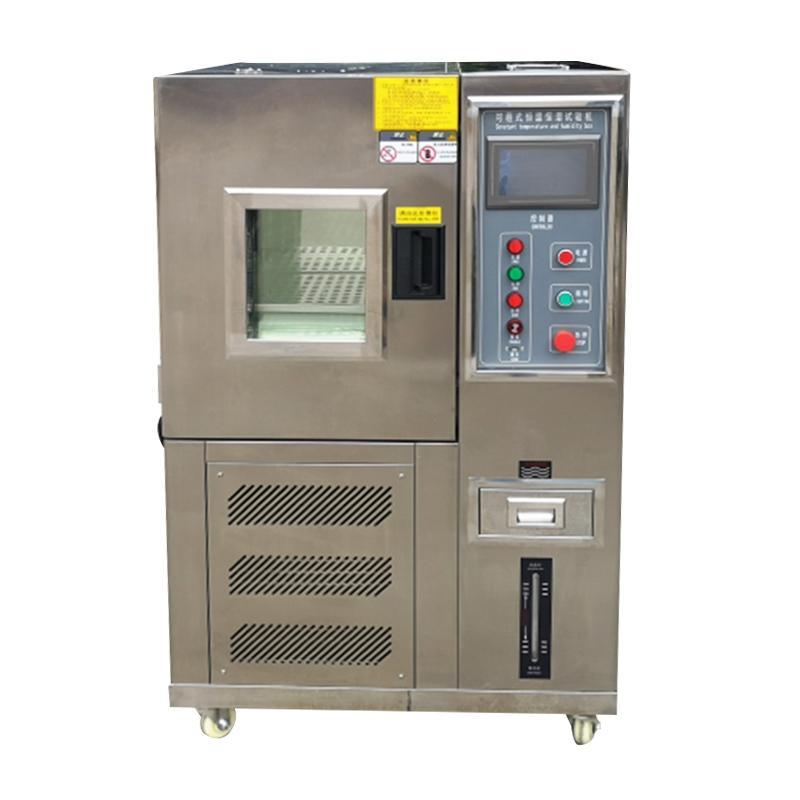
Humidity chambers can simulate different environmental conditions, including high humidity and temperature, to evaluate the impact of these conditions on the performance and durability of PV modules. Humidity testing is essential in evaluating the long-term performance of PV modules since high humidity can cause the degradation of the encapsulating materials used in the manufacturing process, leading to reduced efficiency and lifespan of the PV module.
Manufacturers can use Humidity Chambers to test the effectiveness of protective coatings and sealing materials used in the manufacturing process, and to evaluate the resistance of PV modules to humidity, moisture, and temperature changes.
Humidity chambers are also used to test the performance of PV module components, including connectors, junction boxes, and cables, under different environmental conditions. This testing helps to identify potential issues with the PV module components and improve the overall quality and reliability of the PV module.
Overall, Humidity Chambers are essential tools for the photovoltaic industry, helping manufacturers to develop and test PV modules that can withstand different environmental conditions, including high humidity and temperature, and to ensure the long-term performance and durability of PV systems.
In addition to testing the performance and durability of PV modules, Humidity Chambers can also be used to simulate and evaluate the impact of humidity on the reliability and lifespan of other photovoltaic components, including inverters, batteries, and charge controllers.
For example, high humidity can cause corrosion and degradation of electronic components, leading to reduced efficiency and reliability of the PV system. Humidity chambers can simulate high humidity conditions to evaluate the impact of humidity on the performance and reliability of these components and to identify potential issues before they occur in real-world conditions.
Overall, Humidity Chambers are an important tool for the photovoltaic industry, helping manufacturers to develop and test reliable and durable PV systems that can perform effectively under different environmental conditions, including high humidity.