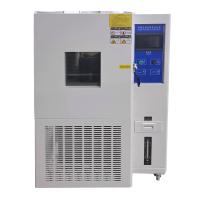
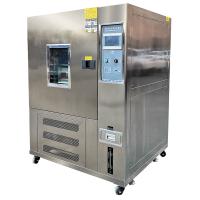
Humidity chambers are widely used in the polymer and composite industry to study the effect of humidity on the mechanical and physical properties of materials. Moisture absorption can have a significant impact on the performance and durability of polymers and composites, especially those used in outdoor applications.
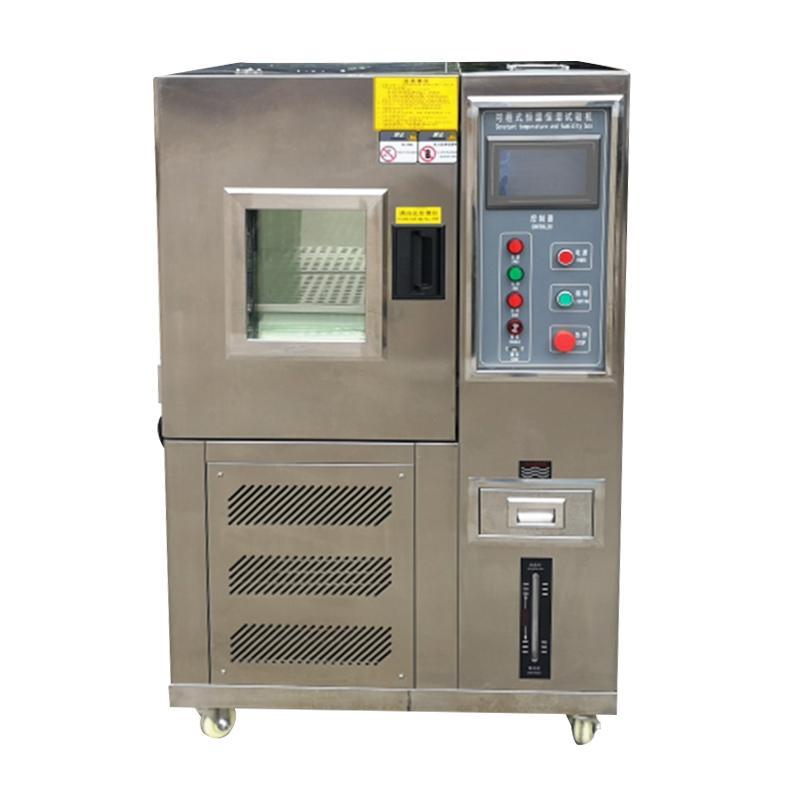
Humidity chambers are used to simulate various humidity conditions, allowing researchers and manufacturers to study the effects of moisture on the materials. These studies can help in the development of more durable and moisture-resistant materials.
Humidity chambers are also used to study the effect of humidity on the manufacturing process of polymers and composites. The presence of moisture during the processing of materials can affect their properties, such as tensile strength, elongation, and fracture toughness. Humidity chambers can be used to simulate different humidity conditions during the manufacturing process, allowing manufacturers to optimize their processes and improve the quality and consistency of their products.
Additionally, Humidity Chambers can be used to test the performance of adhesives and coatings used in the polymer and composite industry. Adhesives and coatings used in this industry need to maintain their bonding strength and integrity, even in high humidity environments. Humidity chambers allow manufacturers to test and optimize their formulations for these conditions, ensuring that their products can withstand harsh environmental conditions.
Overall, Humidity Chambers play a critical role in the polymer and composite industry by allowing researchers and manufacturers to study the effects of moisture on materials and develop more durable and moisture-resistant products.
In the polymer and composite industry, Humidity Chambers are used for various applications such as:
Moisture absorption testing: Polymers and composites can absorb moisture, which can affect their mechanical properties. Humidity chambers are used to simulate different humidity conditions and study the effect of moisture on the material's properties.
Aging and durability testing: Polymers and composites used in outdoor applications are exposed to moisture and temperature variations, which can affect their durability. Humidity chambers can be used to simulate these conditions and test the material's aging and durability properties.
Process optimization: The presence of moisture during the processing of polymers and composites can affect their properties. Humidity chambers can be used to simulate different humidity conditions during the manufacturing process, allowing manufacturers to optimize their processes and improve the quality and consistency of their products.
Adhesive and coating performance testing: Adhesives and coatings used in the polymer and composite industry need to maintain their bonding strength and integrity, even in high humidity environments. Humidity chambers can be used to test the performance of these products under different humidity conditions.
Quality control: Humidity chambers can be used to ensure that polymers and composites meet specific quality standards and requirements, such as those related to moisture resistance and durability.
Overall, Humidity Chambers are a valuable tool for the polymer and composite industry, helping manufacturers to develop more durable and reliable materials that can withstand harsh environmental conditions.