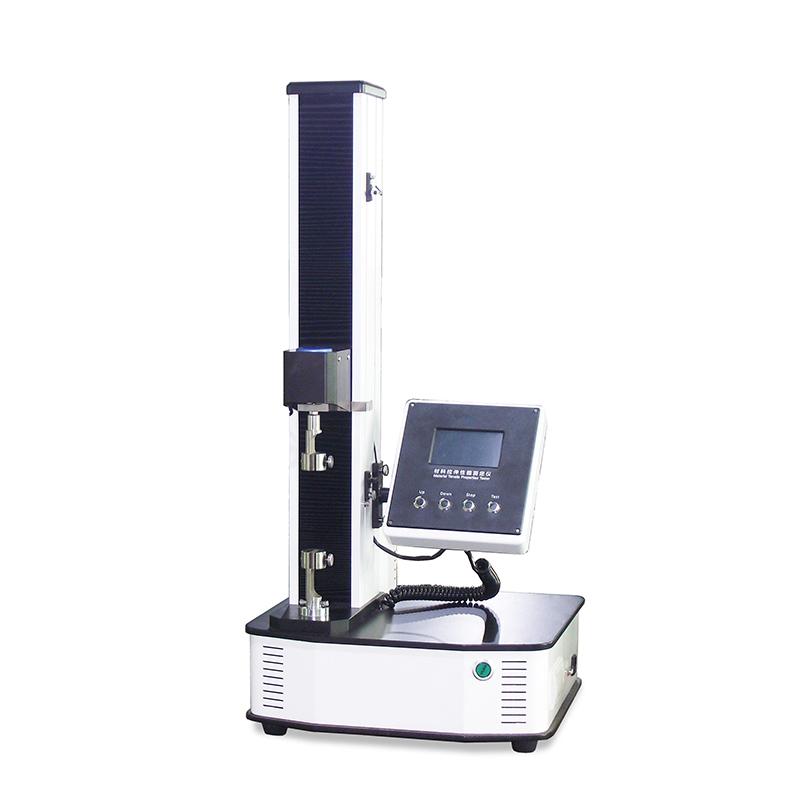
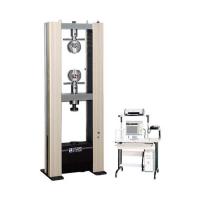
Breaking strength refers to the maximum tensile or compressive force that a material can withstand before it breaks under force. It is an important indicator to describe the strength and durability of a material. In the mechanics of materials testing, the strength at break is usually measured by applying a tensile or compressive force. The magnitude of the breaking strength depends on factors such as the properties of the material, the preparation process, and the test conditions. For engineering materials and components, breaking strength is one of the important parameters to evaluate their load-bearing capacity and durability, so it is of great significance to accurately test and evaluate them.
Breaking strength is usually expressed as the unit area of the force, i.e., N/mm² or psi, etc. For metallic materials, breaking strength refers to the maximum stress that a material can withstand before breaking in a tensile test, often referred to as tensile strength. For non-metallic materials, such as plastics, rubber, etc., breaking strength is often referred to as tensile strength or tensile breaking strength, which describes the maximum tensile stress that a material can withstand before breaking in a tensile test. In addition, there are some special test methods, such as impact test, bending test, shear test, etc., which can be used to measure the breaking strength of materials.
Breaking strength is of great significance for the design and selection of materials. In practical application, it is necessary to select suitable materials and processing technologies according to specific application conditions, so as to ensure that the breaking strength of the material meets the requirements. In addition, proper quality control and testing is required to ensure consistent performance and reliable quality of the materials produced.