ISO 4892-2 is a standard published by the International Organization for Standardization (ISO) that provides guidelines for exposing plastics to laboratory light sources using a xenon arc. The purpose of this standard is to evaluate the weathering and durability of plastics under simulated outdoor conditions.
The standard outlines the equipment and procedures needed to conduct the tests, including the type of xenon arc lamp, the wavelength and intensity of the radiation, and the temperature and humidity conditions. Test samples are typically mounted on a panel and exposed to filtered xenon arc radiation for a defined period of time.
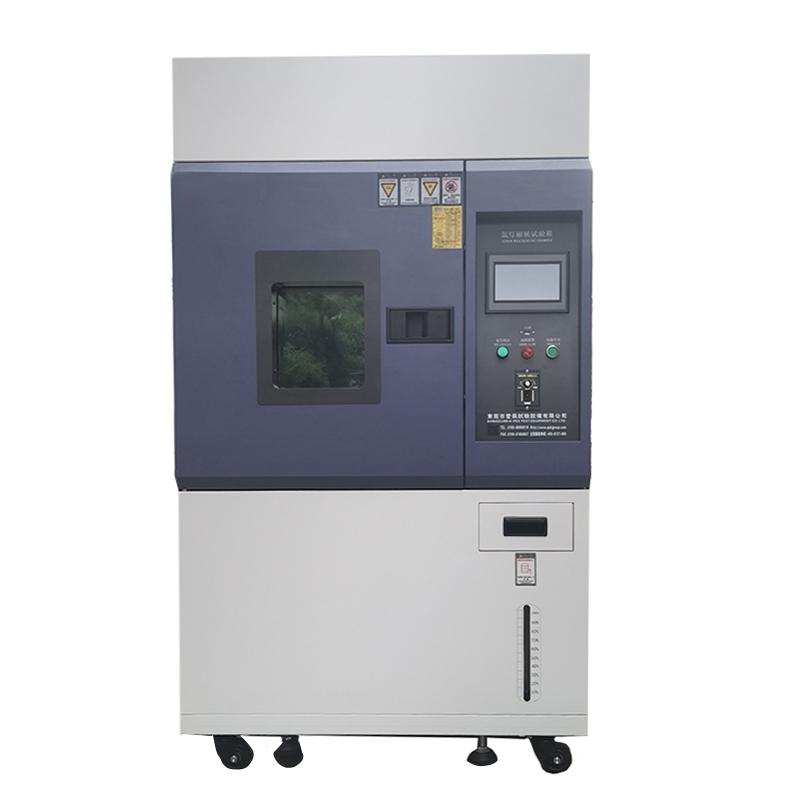
After exposure, the test samples were evaluated for various properties such as color change, gloss retention, cracking and physical degradation. Test results are usually reported as the percentage change in measured performance before and after exposure.
ISO 4892-2 provides specific guidance on the exposure conditions required for different types of plastics and for different applications. The standard provides guidance for testing plastics used in the exterior environment, such as automotive parts and construction materials, as well as those used in the interior environment, such as consumer products and electronic devices.
The standard also provides guidance on the interpretation of test results and the reporting of test data. This includes guidelines for calculating and reporting color change and gloss retention, as well as identifying any defects or failures in the plastic.
ISO 4892-2 also provides information on the limitations of the test method, including its inability to fully simulate certain weathering conditions, such as exposure to acid rain or ozone. The standard states that test results may not be directly comparable to results obtained from other weathering tests, such as exposure to natural sunlight or other artificial light sources.
Additionally, ISO 4892-2 includes several annexes that provide additional information and guidance on testing plastics. Annex A provides guidance on selecting test conditions, including exposure conditions, based on the intended application of the plastic. Appendix B provides information on the selection and handling of test samples, including the size and shape of the sample and the orientation of the sample during testing.
Annex C provides guidance on evaluating test results, including calculation and reporting of color change and gloss retention. Annex D provides guidance on assessing physical changes in plastics, such as cracking and loss of mechanical properties. Annex E provides guidance on the use of control samples to monitor test equipment performance.
Overall, ISO 4892-2 is an important standard for evaluating the weatherability and durability of plastics, and using this standard helps ensure that plastic products provide reliable performance over time, even when exposed to harsh environmental conditions .
