ASTM G151 Standard Practice provides guidelines for exposing nonmetallic materials to laboratory light sources such as xenon or fluorescent UV lamps to simulate the effects of outdoor weathering. The standard covers basic procedures for operating test equipment, including calibration, monitoring of temperature and humidity conditions, and lamp and filter replacement.
The purpose of this standard is to provide a reproducible and accelerated method for evaluating the performance of non-metallic materials under different environmental conditions, such as exposure to ultraviolet radiation and moisture. The standard specifies parameters of exposure, such as irradiance levels, temperature and humidity, which can be adjusted to simulate different environmental conditions.
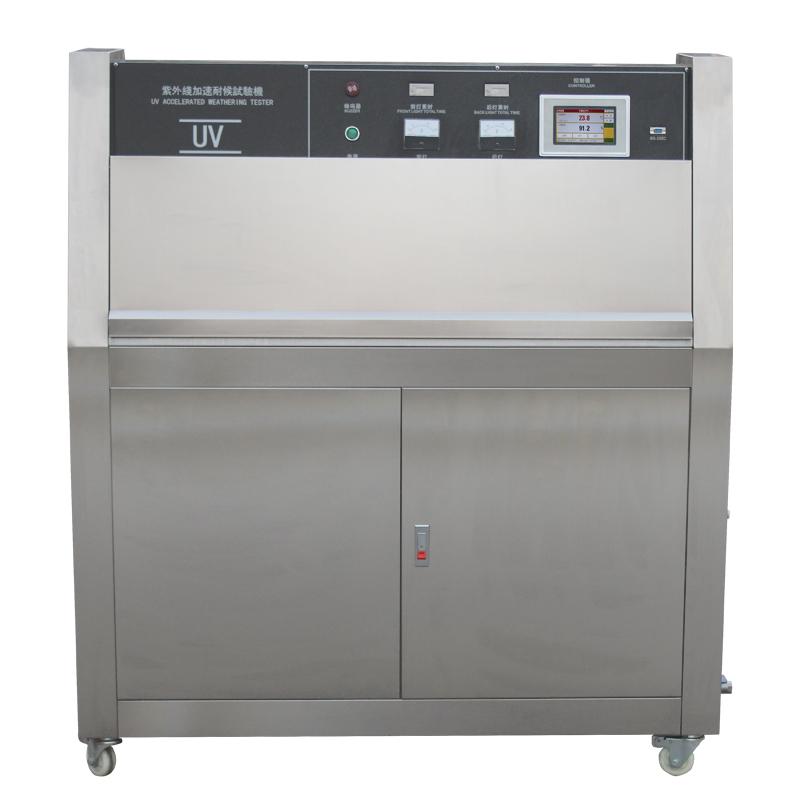
ASTM G151 also includes guidance for selecting test conditions and evaluating test results, such as measuring changes in a material's mechanical or optical properties after exposure. The standard can be used for product development, quality control and performance evaluation of a wide variety of materials, including coatings, plastics, textiles and other non-metallic materials.
All in all, ASTM G151 is a useful tool for predicting the durability of non-metallic materials and determining their suitability for different applications. By subjecting materials to controlled and accelerated exposure to laboratory light sources, manufacturers can gain data on how their products will perform over time under different environmental conditions. This helps them make informed decisions about product design, material selection and testing protocols.
