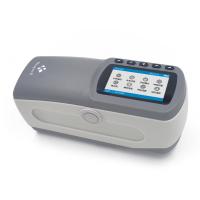
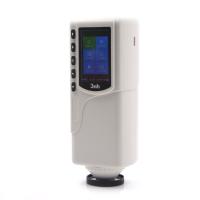
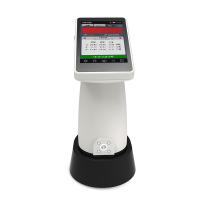
A Colorimeter is an instrument for measuring color, typically used to detect and compare the color of different items or samples. A Colorimeter can accurately measure the color of an object's surface, including parameters such as brightness, hue, and saturation. Colorimeters are widely used in printing, dyeing, paint, cosmetics, food and other industries, as well as in the scientific field of color research. In the process of using the Colorimeter, the following common problems and their solutions may occur:
The value displayed by the instrument is unstable or has a large deviation.
Solution: Check whether the instrument is placed stably, whether the ambient temperature and humidity are stable, whether it is disturbed by strong light, etc. If the above conditions exist, it is necessary to adjust the placement position, environment and use conditions of the instrument to ensure the accuracy and stability of the measurement.
The observation angle and light source of the instrument are not selected correctly.
Solution: Select the appropriate observation angle and light source according to the measurement needs and object characteristics to ensure the accuracy and reliability of the measurement results.
The measurement sample has surface damage or stains.
Solution: For samples with serious surface damage or stains, it is necessary to clean or re-prepare the samples to ensure the accuracy and reliability of the measurement.
The instrument needs to be calibrated or recalibrated.
Solution: Calibrate and debug the instrument according to the instrument manual and operation guide. For some measurements that require high precision and precision, regular calibration and maintenance are required to ensure the reliability and accuracy of the measurement results.
Instruments require care and maintenance.
Solution: Clean, maintain and maintain the instrument regularly to ensure the normal operation and service life of the instrument. In addition, it is also necessary to replace the parts and accessories of the instrument regularly to ensure the accuracy and reliability of the instrument.
The instrument requires the use of suitable calibration samples.
Solution: Select appropriate calibration samples and standards to ensure that the measurement results of the instrument are accurate and reliable. At the same time, it is also necessary to properly store and maintain the calibration samples to prolong their service life and ensure the accuracy and reliability of calibration.
There is a large error between the measurement result of the instrument and the actual color.
Solution: First, it is necessary to check whether the measured sample meets the measurement standards and conditions, including light source, viewing angle, color space, etc. Secondly, it is necessary to check whether the calibration and debugging of the instrument are accurate and stable. If the problem still exists, you can refer to the standardization and comparison method for further calibration and comparison to ensure the accuracy and reliability of the measurement results.
The instrument's ability to store and process data is insufficient.
Solution: According to the measurement requirements and actual situation, select the appropriate instrument model and function to meet the needs of data storage and processing. At the same time, it is also necessary to select an appropriate data storage and backup method according to the actual situation and data volume to ensure data security and reliability.
Maintenance and repair of instruments requires specialized skills and equipment.
Solution: For some high-precision and precision-required measurements, it needs to be maintained and repaired by professionals. In addition, it is also necessary to maintain and maintain the instrument regularly to prolong its service life and ensure its accuracy and reliability.
Use of the instrument requires training and instruction.
Solution: For novice users and those who are not familiar with the operation of the instrument, professional training and guidance are required to ensure that they can use the Colorimeter correctly, safely and effectively. At the same time, it is also necessary to establish a complete record of use and maintenance in order to track and analyze the use and problems of the instrument at any time.
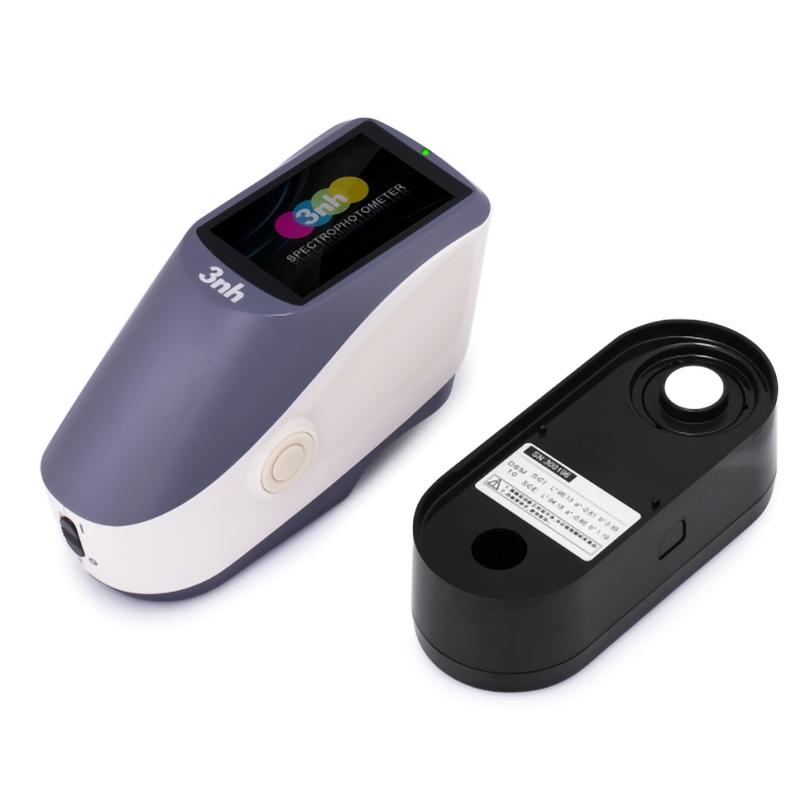
In short, the Colorimeter is a precision instrument that needs to be used, maintained and calibrated correctly to ensure the accuracy and reliability of the measurement results. If there is a problem, it needs to be dealt with in time to avoid affecting the measurement effect and work efficiency.