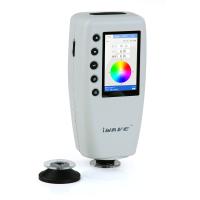
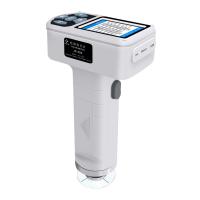
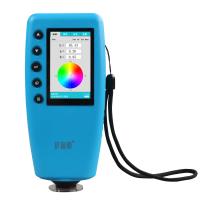
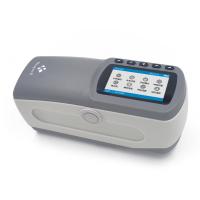
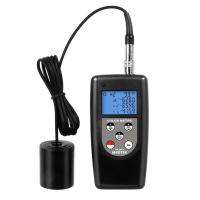
A color difference meter is an instrument for measuring color differences, which can compare and analyze the colors of different items or samples. The basic principle of the color difference meter is to use a photoelectric sensor to measure the light reflected by the sample, and convert the measurement result into a corresponding chromaticity value. By comparing the chromaticity values between different samples, the color difference between them can be accurately measured and described. The color difference meter is widely used in printing, dyeing, paint, cosmetics, food and other industries, as well as the scientific field of color research.
The common problems and solutions are as follows:
The instrument drifts or has large errors during measurement.
Solution: First of all, you need to check whether the instrument is in a stable state, including the stability of the instrument itself and the stability of the environment. Secondly, it is necessary to check whether the instrument is used correctly, such as selecting the measurement mode correctly, calibrating the instrument, using the correct sample holder, etc. If the problem persists, try recalibrating the instrument, or replace it.
Instrument readings are erratic or inaccurate.
Solution: First of all, you need to check whether the instrument is in a stable state, including the stability of the instrument itself and the stability of the environment. Secondly, it is necessary to check whether the instrument is used correctly, such as selecting the measurement mode correctly, calibrating the instrument, using the correct sample holder, etc. If the problem persists, try recalibrating the instrument, or replace it.
There is a large error between the measurement result of the instrument and the actual color.
Solution: First of all, it is necessary to check whether the measured sample meets the measurement standards and conditions, including light source, viewing angle, color space, etc. Secondly, it is necessary to check whether the calibration and debugging of the instrument are accurate and stable. If the problem still exists, you can refer to the standardization and comparison method for further calibration and comparison to ensure the accuracy and reliability of the measurement results.
The instrument's ability to store and process data is insufficient.
Solution: According to the measurement requirements and actual situation, select the appropriate instrument model and function to meet the needs of data storage and processing. At the same time, it is also necessary to select an appropriate data storage and backup method according to the actual situation and data volume to ensure data security and reliability.
Maintenance and repair of instruments requires specialized skills and equipment.
Solution: For some high-precision and precision-required measurements, it needs to be maintained and repaired by professionals. In addition, it is also necessary to maintain and maintain the instrument regularly to prolong its service life and ensure its accuracy and reliability.
Use of the instrument requires training and instruction.
Solution: For novice users and those who are not familiar with the operation of the instrument, professional training and guidance , including the basic operation of the instrument, use procedures, precautions, etc., to ensure the correct use of the instrument and the accuracy of the data. For some complex measurement and data analysis, professional technical support and guidance can also be provided to help users better use the instrument and solve practical problems.
Instrument compatibility and reliability need to be considered.
Solution: When selecting an instrument, it is necessary to select an instrument with compatibility and reliability according to actual needs and application scenarios to ensure the stability and reliability of the instrument. At the same time, it is also necessary to regularly test and calibrate the instrument to ensure the accuracy and reliability of its measurement results.

In short, as a widely used precision instrument, the Colorimeter is used and maintained correctly to ensure the accuracy and reliability of the measurement results. Therefore, professional training and guidance are required, and regular testing and maintenance of the instrument is required to ensure the stability and reliability of its performance.